Kawa Yakitori: How Chicken Skin Becomes Crisp, Chewy, or Both
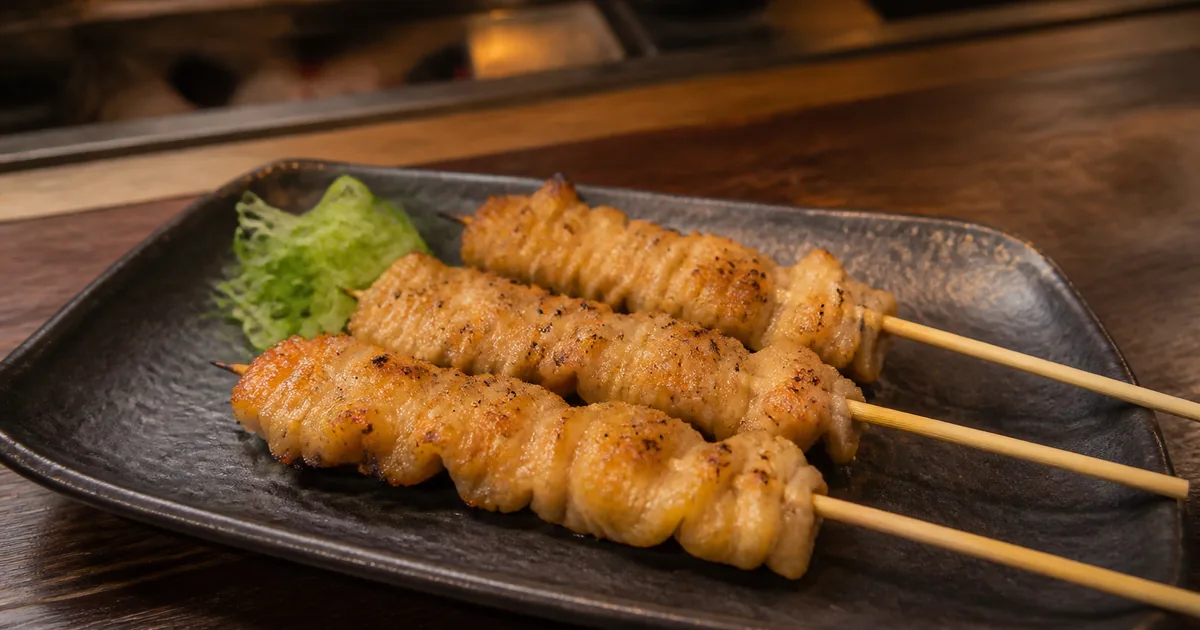
Kawa can become crisp-edged and chewy—or greasy and rubbery. Follow the preparation, folding, fire control, and timing behind a well-made chicken-skin skewer.
 Hiro
Kawa can become crisp-edged and chewy—or greasy and rubbery. Follow the preparation, folding, fire control, and timing behind a well-made chicken-skin skewer.
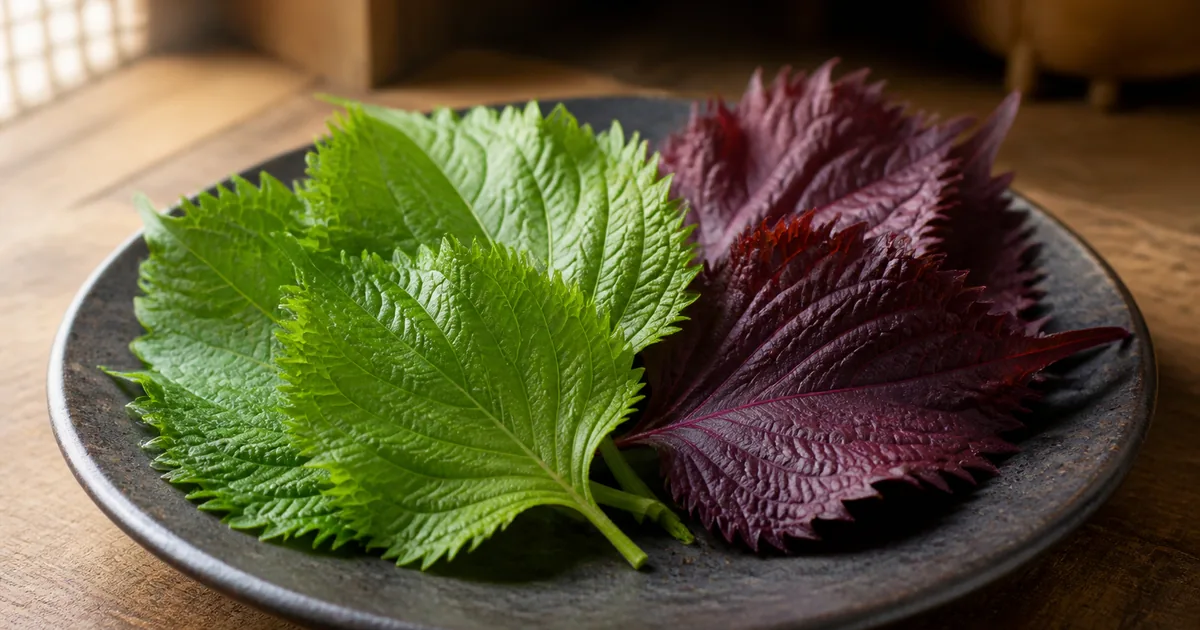
Shiso is an aromatic Japanese herb used with sushi, rice, noodles, tempura, and pickles. Learn how green and red shiso differ and how each is used.
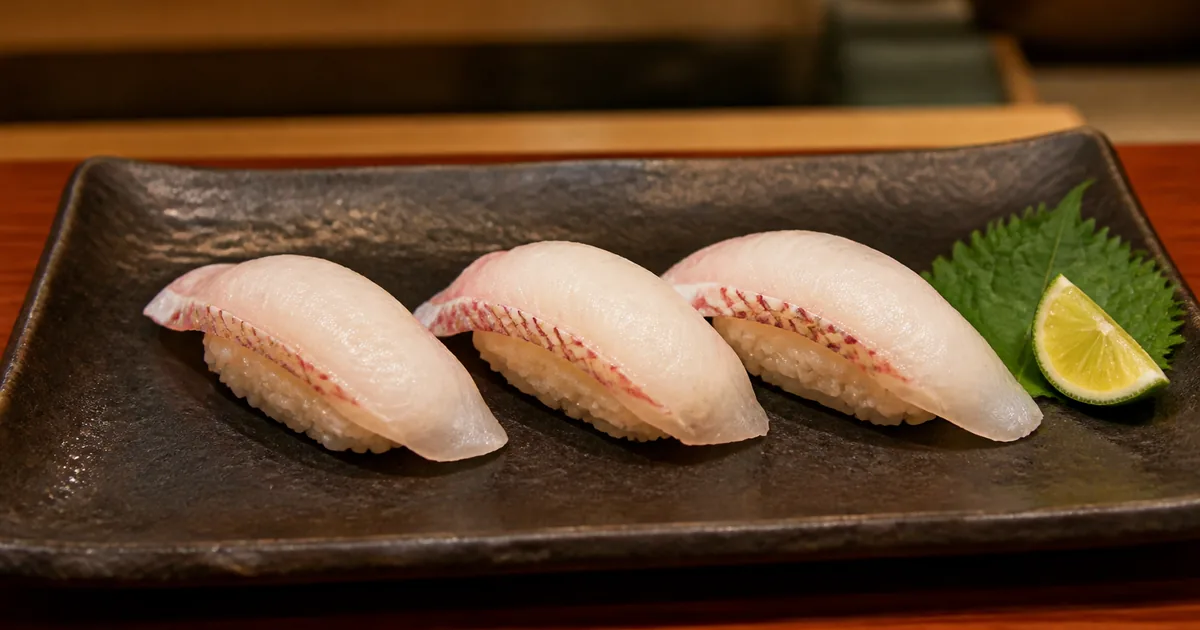
Tai sushi features mild, firm Japanese sea bream paired with vinegared rice. Learn what madai means, how tai tastes, and the ways chefs prepare it.
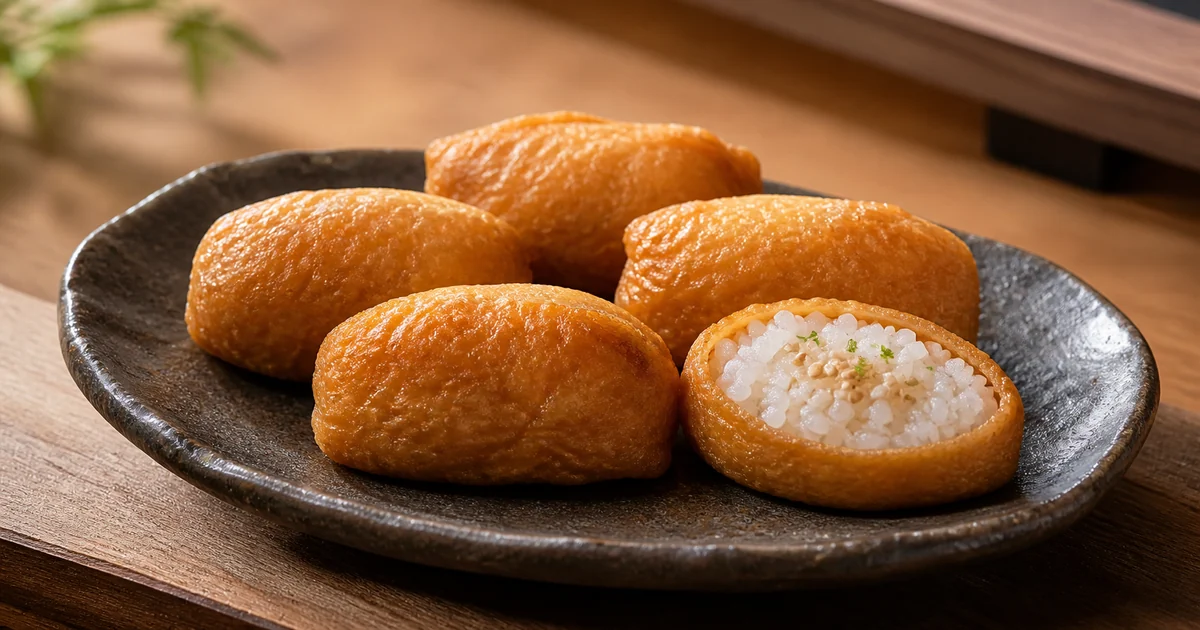
Inari sushi is vinegared rice tucked inside sweet-savory fried tofu pockets. Learn what it tastes like, how versions differ, and what ingredients to check.
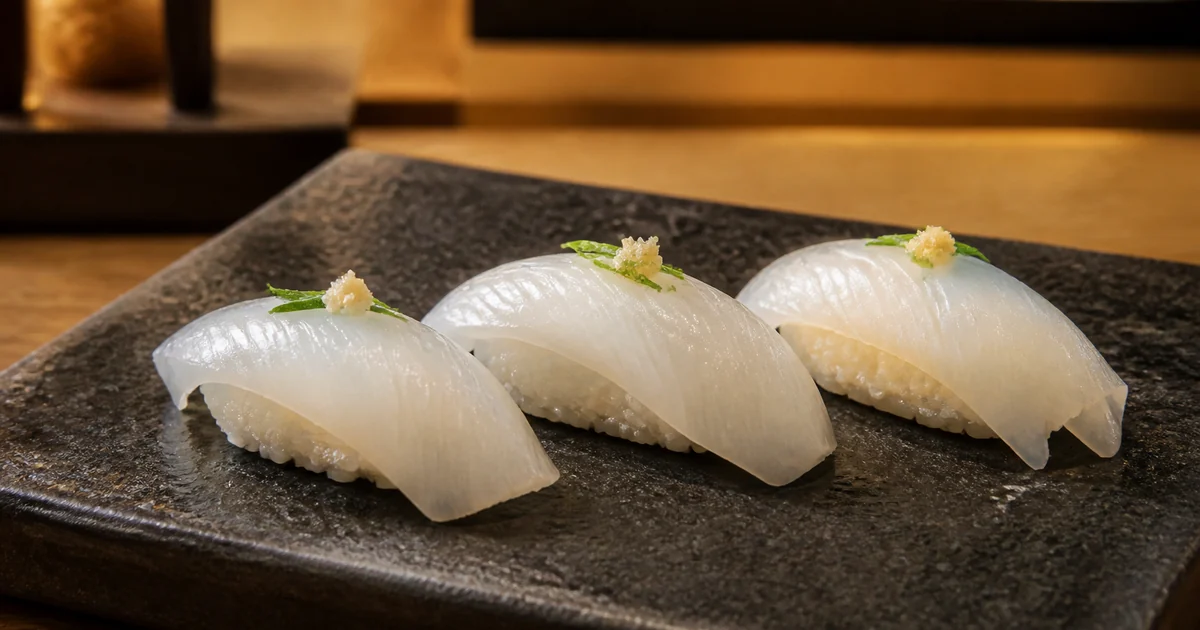
Ika sushi pairs vinegared rice with carefully prepared squid. Learn about its mild flavor, distinctive texture, common varieties, and beginner-friendly ordering tips.
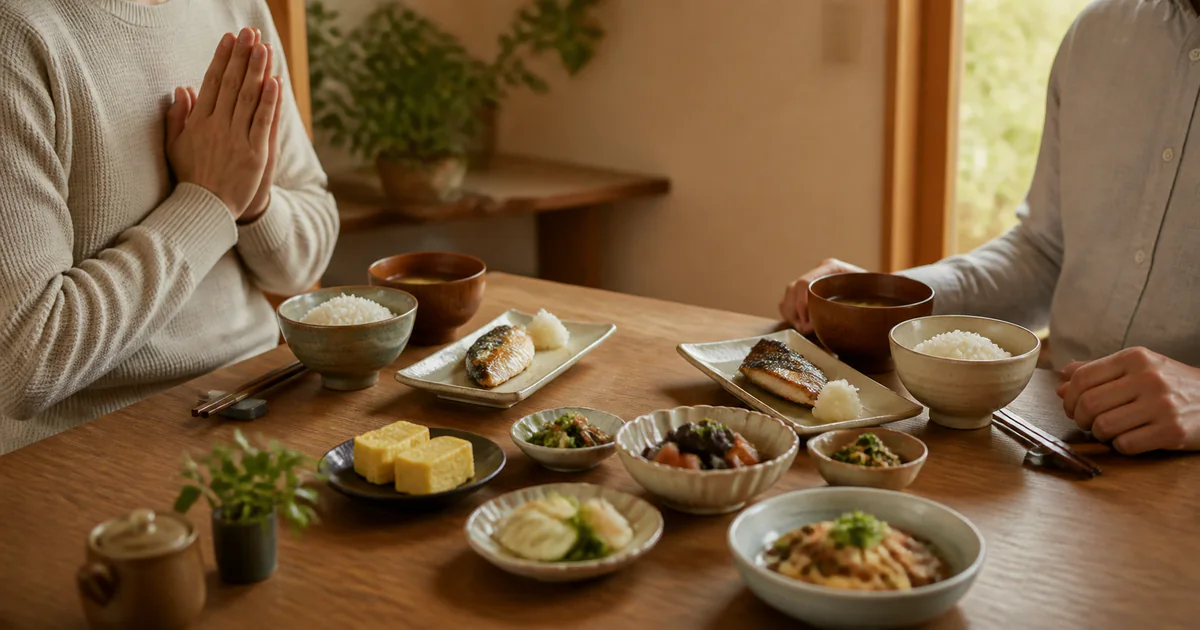
Itadakimasu is said before eating and gochisousama after the meal. Learn what these Japanese expressions mean and how visitors can use them naturally.
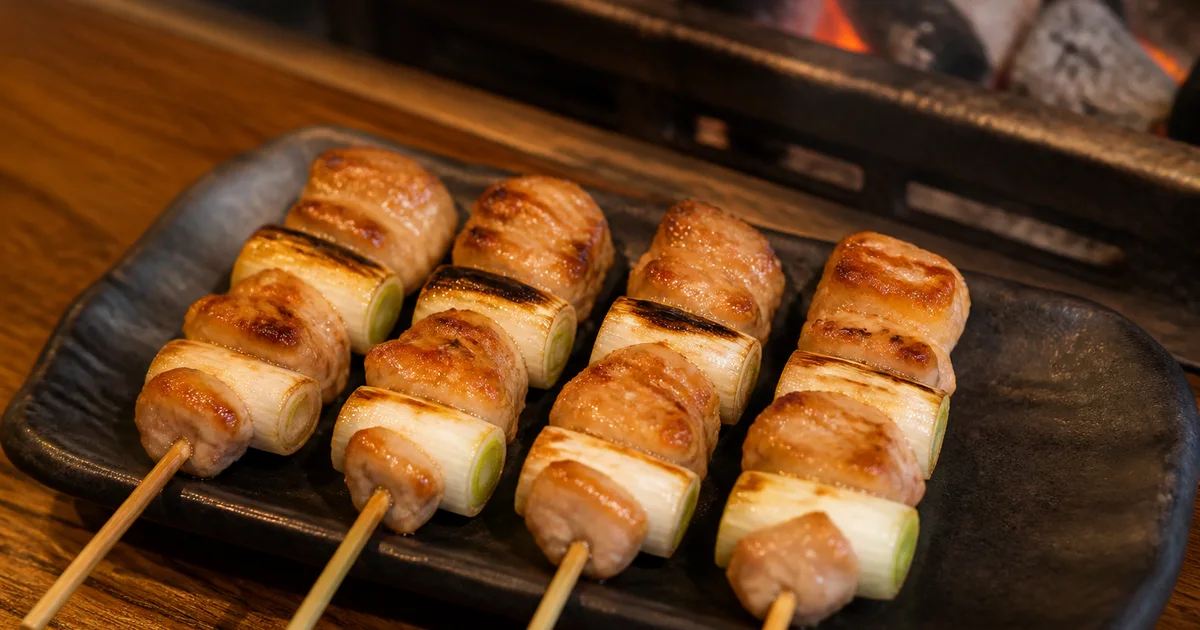
Negima alternates chicken and Japanese long onion on a grilled skewer. Learn how it tastes, why the name once referred to tuna, and how to order it.
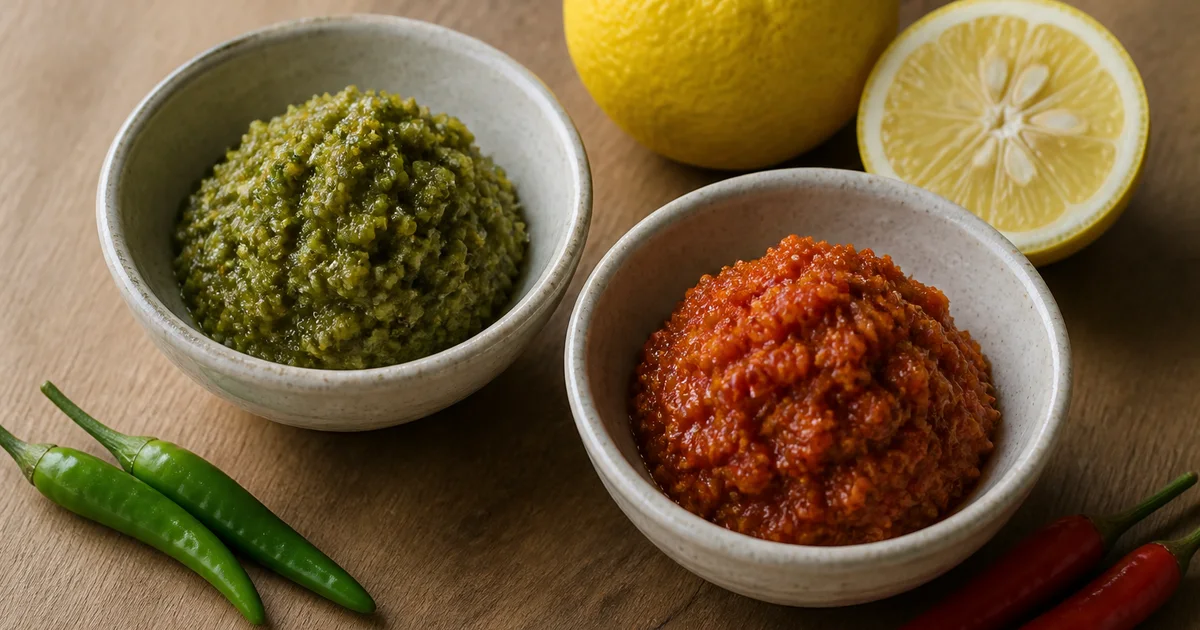
Yuzu kosho combines aromatic yuzu peel, chili peppers, and salt. Learn how green and red varieties taste and how to use this powerful condiment.
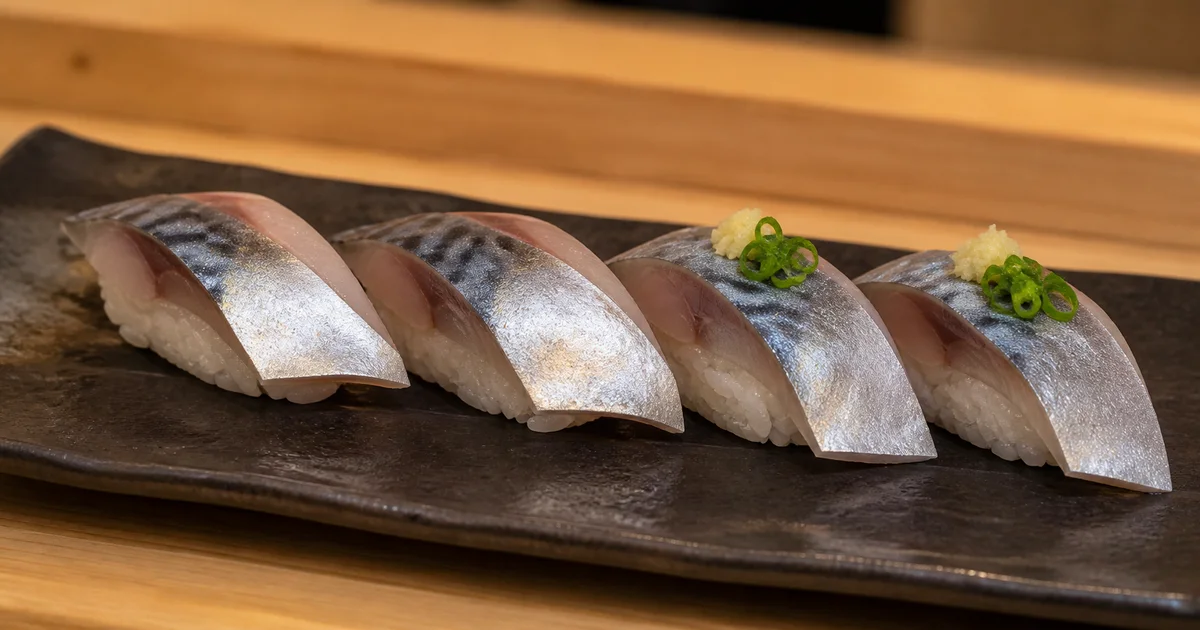
Saba sushi pairs richly flavored mackerel with vinegared rice. Learn how shime saba is cured, what it tastes like, and what beginners should know.
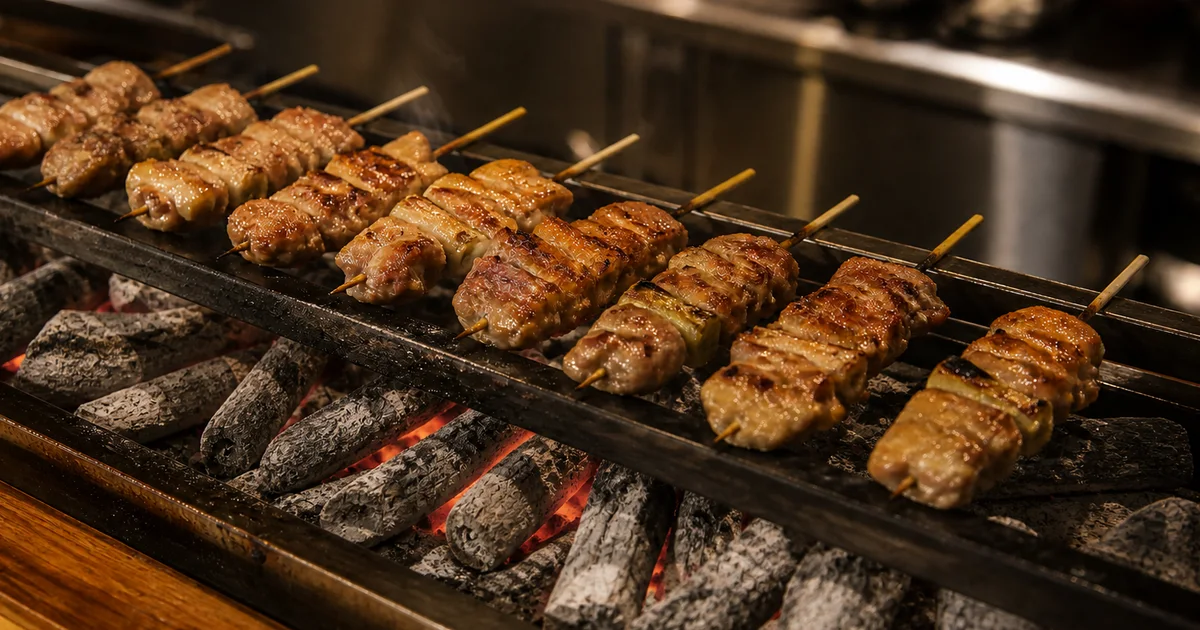
Binchotan is a dense Japanese white charcoal valued for steady heat and long burning. Learn how it is made and why yakitori chefs use it.