Disclosure: This article may contain affiliate links. If you purchase through these links, Japan Food Compass may earn a commission at no additional cost to you. Yuzu is a highly aromatic citrus fruit used throughout Japanese cooking. Its juice is sharply tart, while its peel has a floral fragrance that can transform a clear soup, … Read more
Disclosure: This article may contain affiliate links. If you purchase through these links, Japan Food Compass may earn a commission at no additional cost to you. Ponzu is a Japanese citrus seasoning known for refreshing acidity and aroma. The version most commonly sold outside Japan is a dark, soy-based sauce used with hot pot, sashimi, … Read more
Disclosure: This article may contain affiliate links. If you purchase through these links, Japan Food Compass may earn a commission at no additional cost to you. Katsuobushi is dried, smoked, and sometimes mold-matured fish shaved into the delicate pieces called bonito flakes. The flakes flavor Japanese dashi and are also eaten on tofu, rice, vegetables, … Read more
Disclosure: This article may contain affiliate links. If you purchase through these links, Japan Food Compass may earn a commission at no additional cost to you. Kombu is the thick, dried kelp that gives many Japanese dishes a deep but unobtrusive savory flavor. It is best known as an ingredient in dashi, but it is … Read more
Disclosure: This article may contain affiliate links. If you purchase through these links, Japan Food Compass may earn a commission at no additional cost to you. Nori is the thin, dark seaweed most closely associated with sushi rolls and onigiri. When it is fresh and dry, it can be crisp, delicate, and aromatic, with a … Read more
Disclosure: This article may contain affiliate links. If you purchase through these links, Japan Food Compass may earn a commission at no additional cost to you. Rice vinegar is a mild, clean-tasting vinegar used throughout Japanese cooking. It gives sushi rice its characteristic acidity and also appears in pickles, dressings, marinades, and refreshing vinegar-based side … Read more
What is mirin? Mirin is a sweet Japanese rice seasoning used to add depth, aroma, and a glossy finish to cooked food. Authentic hon mirin contains alcohol and is traditionally made from glutinous rice, rice koji, and shochu or another distilled alcohol. It is not simply sugar water, sweet soy sauce, or a type of sake. Products sold … Read more
Koji is rice, barley, or soybeans cultivated with a food-safe mold, most commonly Aspergillus oryzae. It is one of the foundations of Japanese fermentation and helps create miso, soy sauce, sake, mirin, amazake, and many other foods. Koji is sometimes described as a fermentation starter, but it is more precise to think of it as an enzyme-rich … Read more
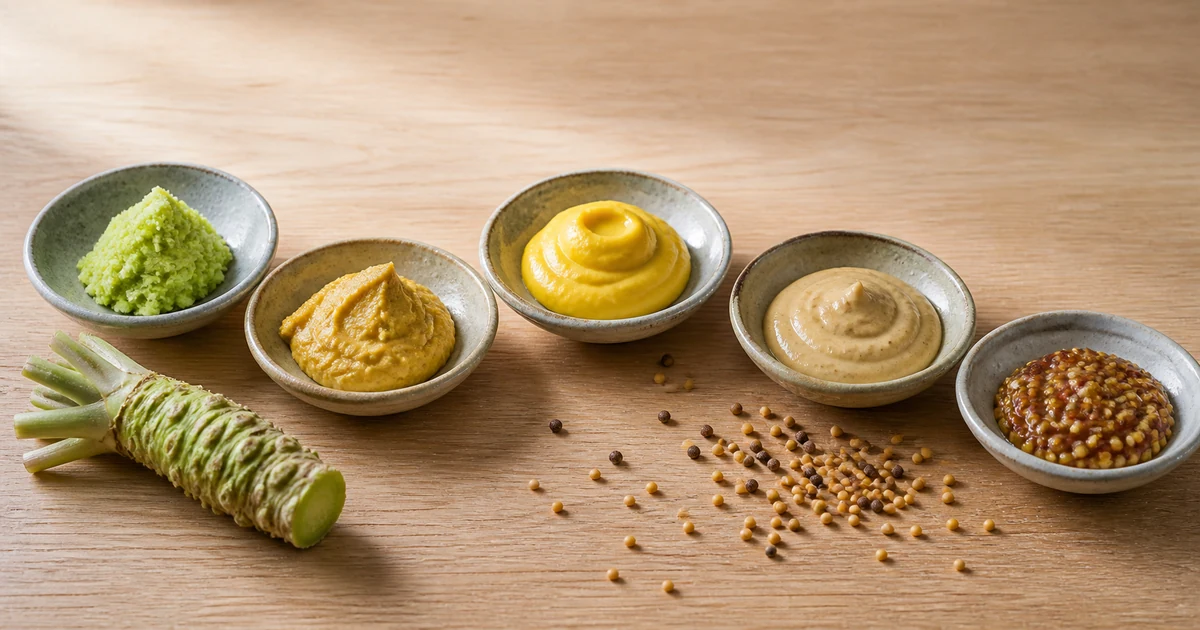
What is wasabi? Wasabi is a Japanese condiment known for its fresh green aroma and sharp pungency that rises through the nose. It is closely associated with sushi and sashimi, but the bright green paste served outside Japan is not always made mainly from the Japanese wasabi plant. Freshly grated wasabi can be fragrant, slightly sweet, … Read more
Japanese soy sauce, called shoyu in Japanese, is a fermented liquid seasoning used both at the table and during cooking. It adds saltiness, aroma, color, and savory depth to foods ranging from tofu and vegetables to noodles, grilled fish, sushi, and simmered dishes. The familiar dark reddish-brown all-purpose sauce is only one variety. Japan officially recognizes five … Read more