Choosing Sake for Sushi: Why Junmai Daiginjo Is Not Always Better
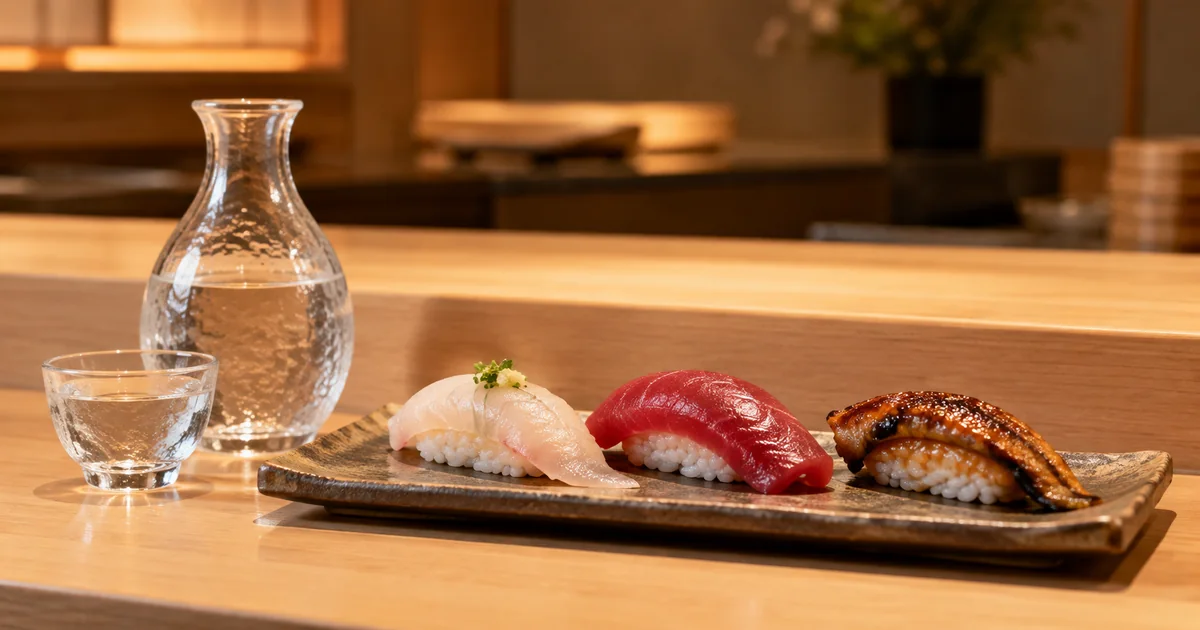
The most expensive Junmai Daiginjo is not automatically the best sake for sushi. Learn what the label means and how to match a glass to the next piece.
JAPANESE FOOD CULTURE
Explore the traditions, customs, history, and everyday ideas that shape the way food is prepared and enjoyed in Japan.
The most expensive Junmai Daiginjo is not automatically the best sake for sushi. Learn what the label means and how to match a glass to the next piece.
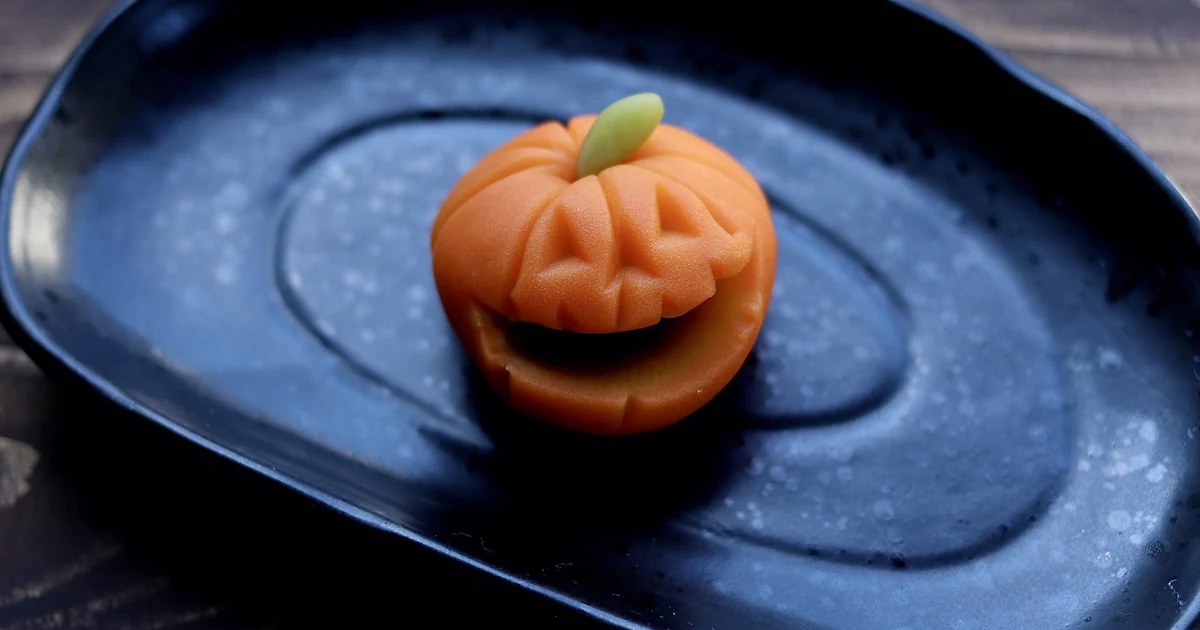
Kabocha becomes tempura, suage, a simmered dish, and Halloween wagashi, while Obon’s cucumber horse and eggplant cow carry a separate symbolic meaning.
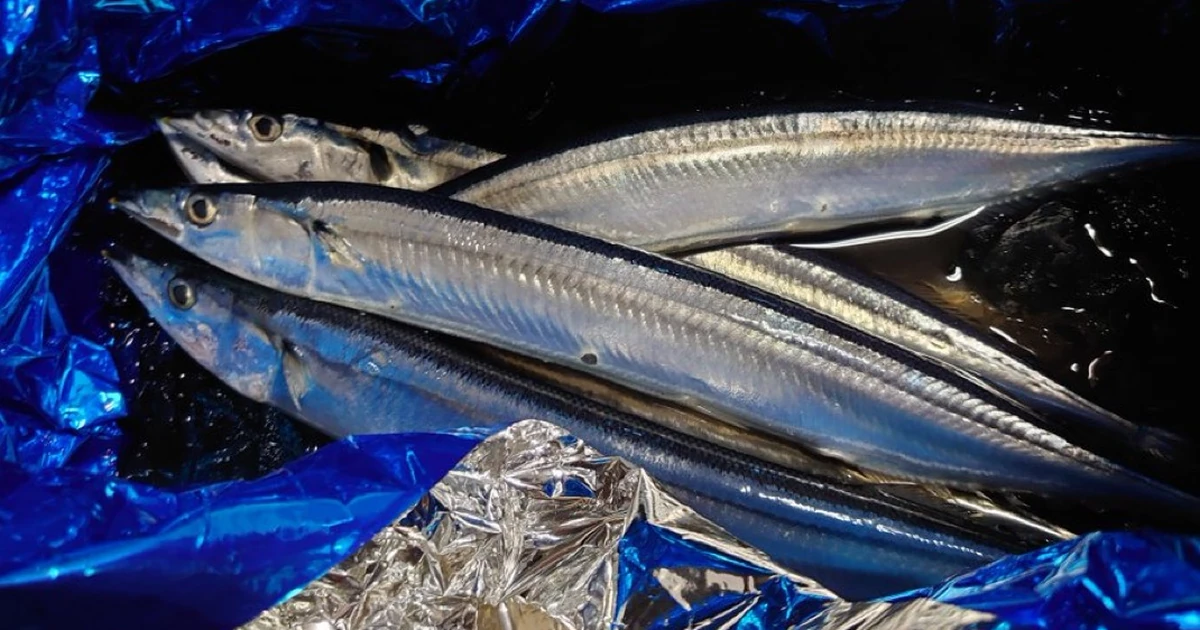
Sanma can be grilled with salt, simmered with seasonings, or served as nigiri. Follow how each method changes the aroma, texture, and richness of this autumn fish.
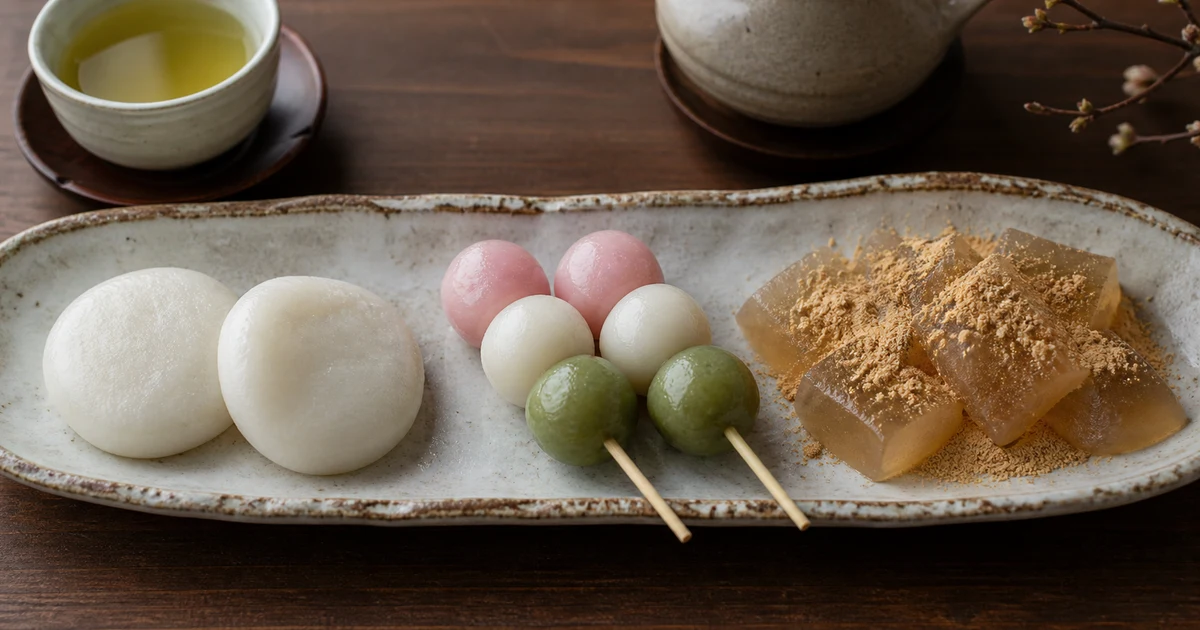
Mochi, dango, and warabi mochi may all look soft and chewy, but they are made differently. Compare pounded rice, rice-flour dumplings, filled daifuku, and cooling starch-based sweets.
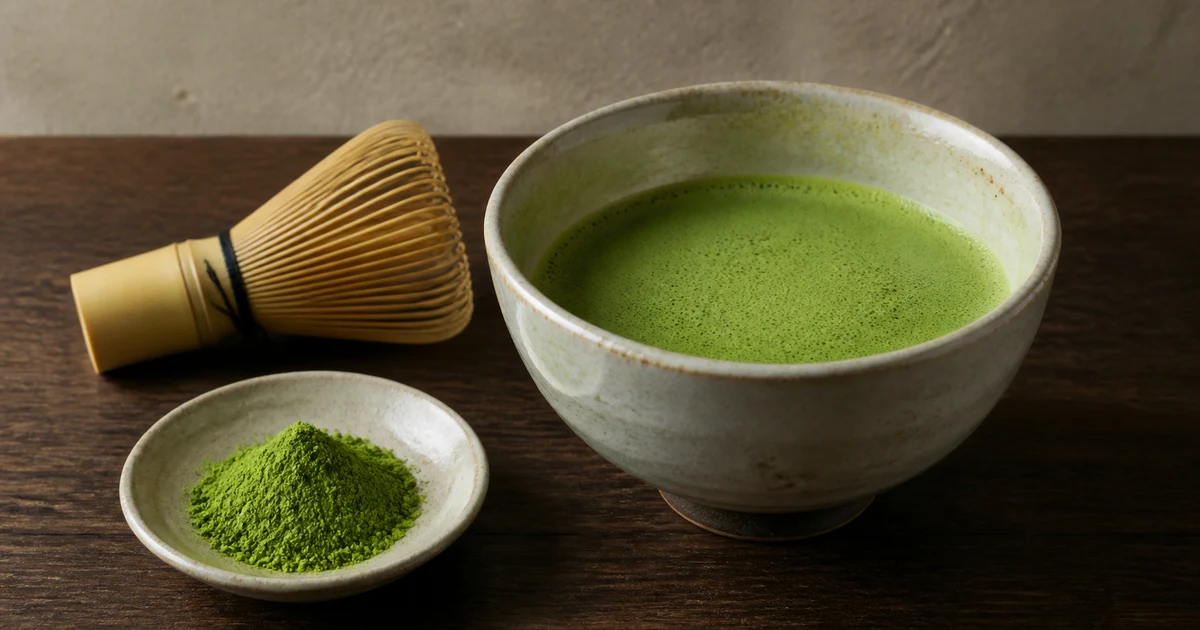
Matcha begins as shaded tencha rather than ordinary green tea powder. Follow its journey from the tea field to the bowl, then learn how to judge, choose, store, and whisk it.
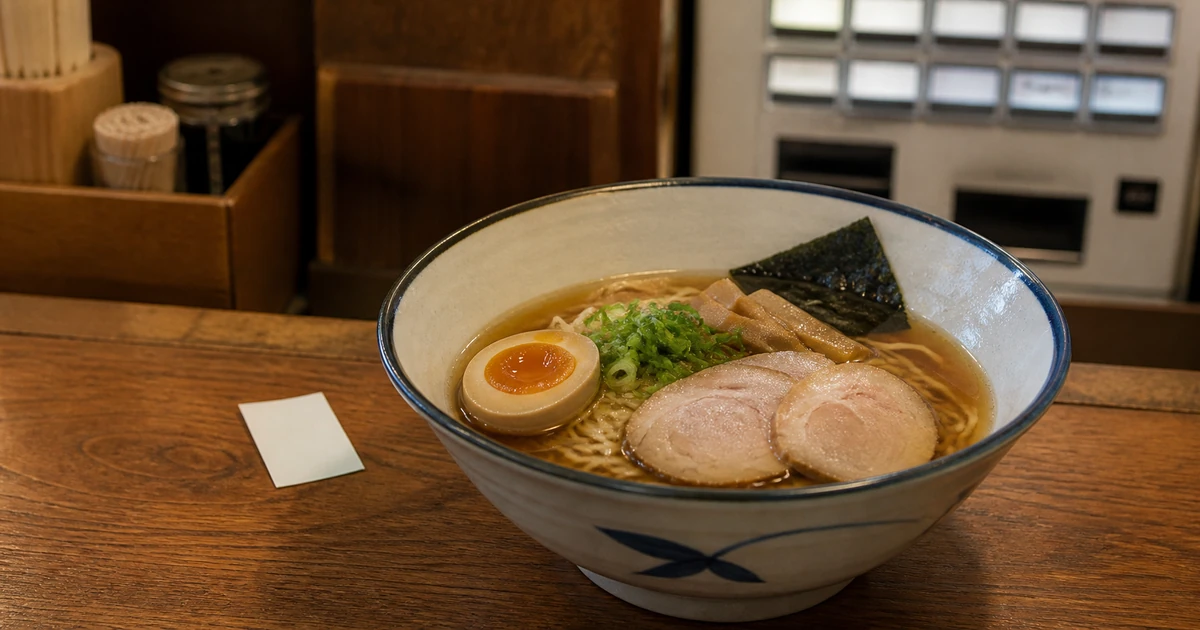
Ordering ramen in Japan can involve a ticket machine, a short line, and a few shop-specific choices. Follow the process from choosing a broth to leaving your seat.
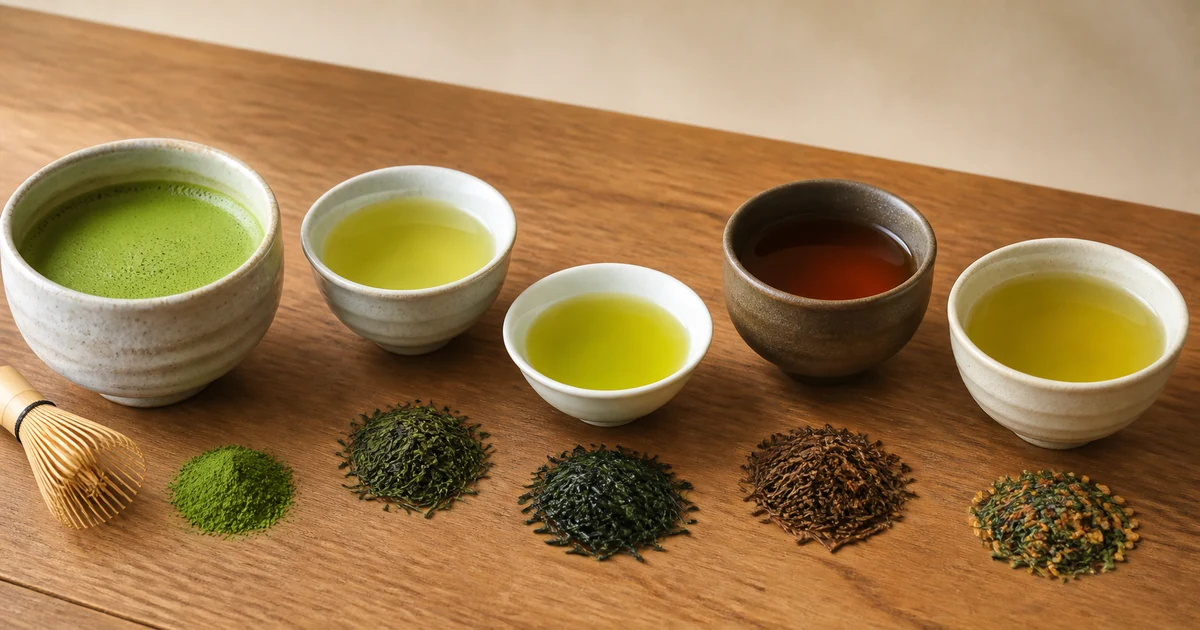
Japanese tea includes far more than matcha. Compare sencha, gyokuro, hojicha, genmaicha, bancha, kukicha, and other major styles by production, taste, appearance, and brewing method.
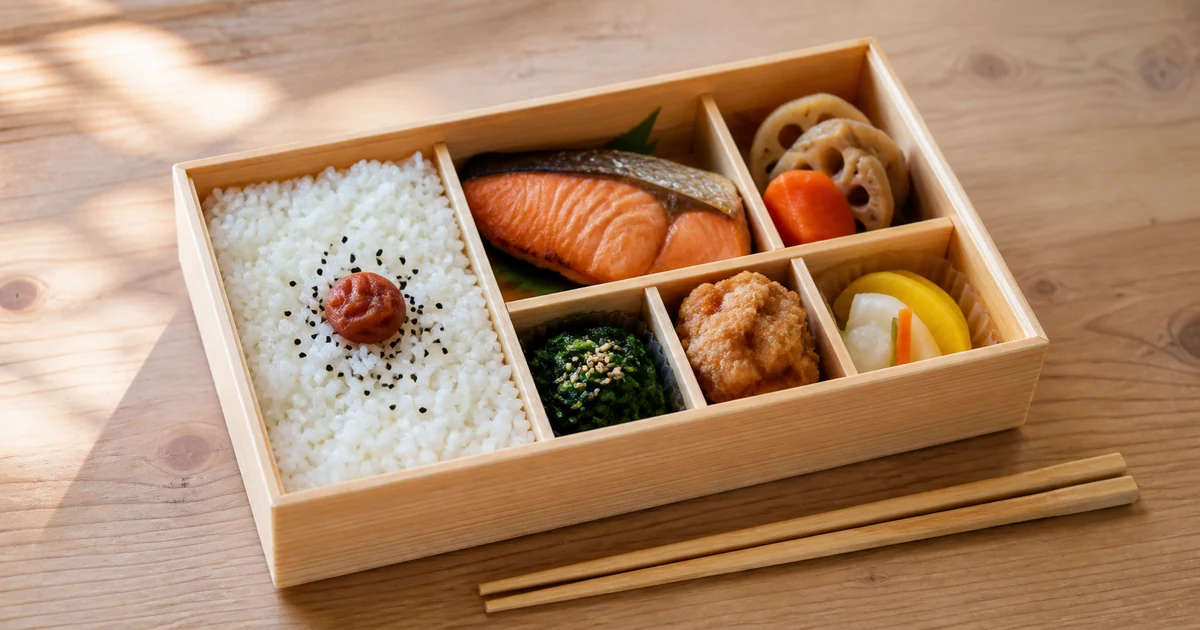
Bento is a portable Japanese meal packed into a compact container. Learn about homemade bento, ekiben, makunouchi, common foods, buying tips, etiquette, and safe storage.
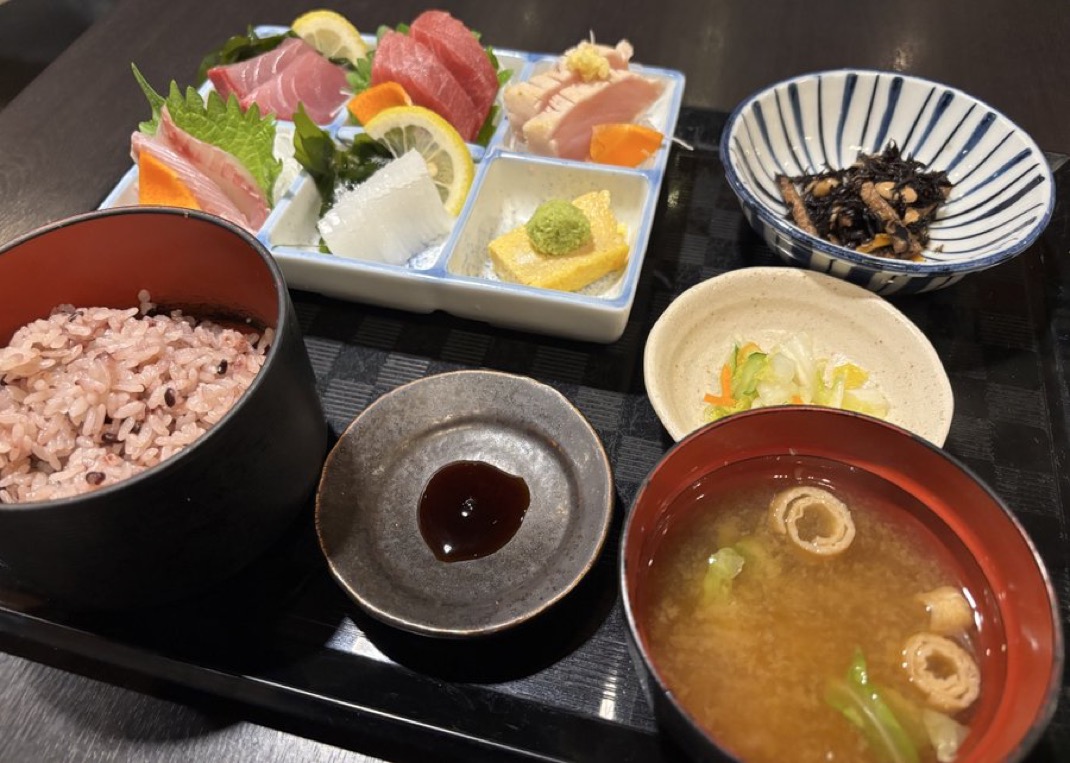
Teishoku is a Japanese set meal that commonly combines rice, soup, a main dish, and smaller sides. Learn what to expect, how to order, and how it differs from other Japanese meal formats.
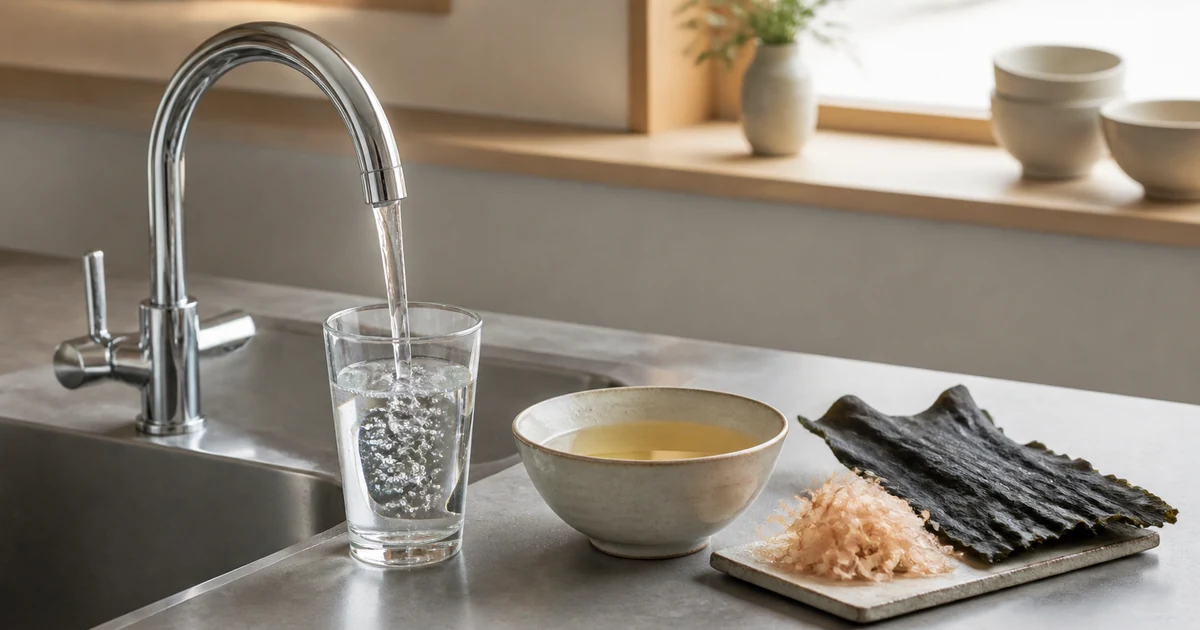
Japan’s tap water is generally safe, but water source, building systems, local advisories, and mineral composition still matter. A cook explains the practical answer—and a costly dashi mistake.