Kawa Yakitori: How Chicken Skin Becomes Crisp, Chewy, or Both
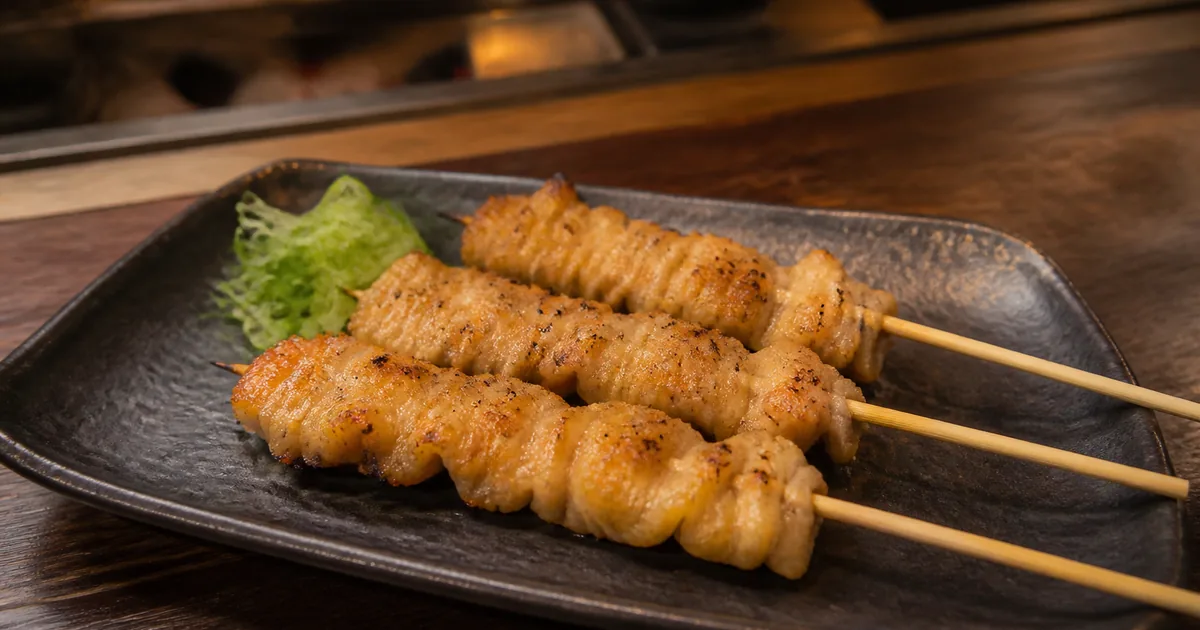
Kawa can become crisp-edged and chewy—or greasy and rubbery. Follow the preparation, folding, fire control, and timing behind a well-made chicken-skin skewer.
Kawa can become crisp-edged and chewy—or greasy and rubbery. Follow the preparation, folding, fire control, and timing behind a well-made chicken-skin skewer.
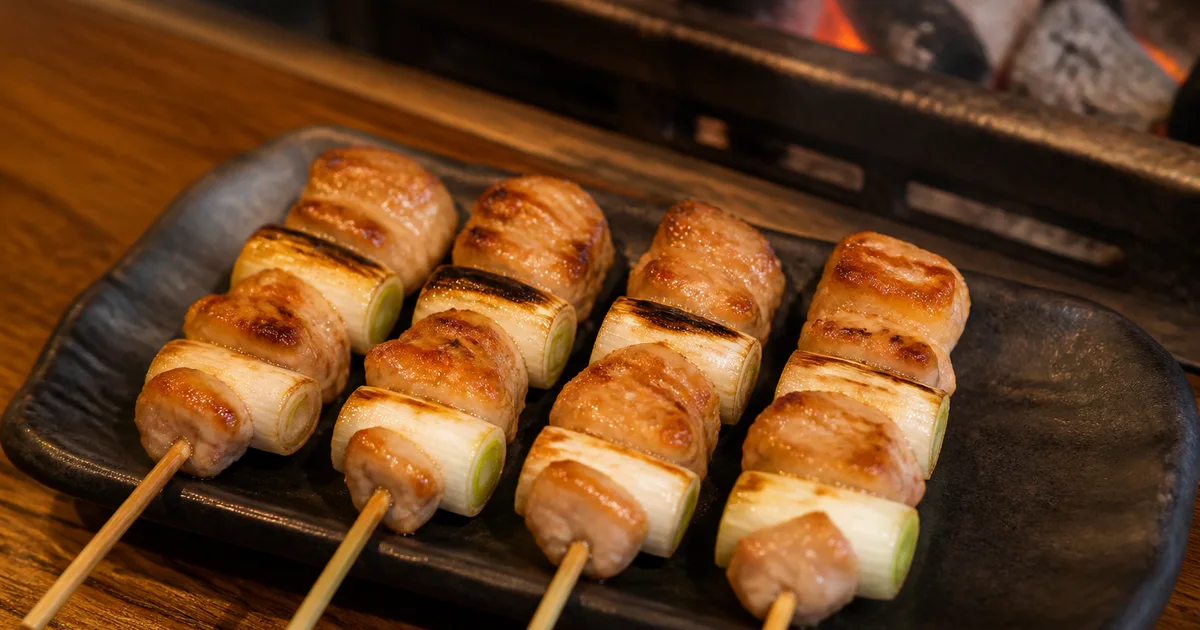
Negima alternates chicken and Japanese long onion on a grilled skewer. Learn how it tastes, why the name once referred to tuna, and how to order it.
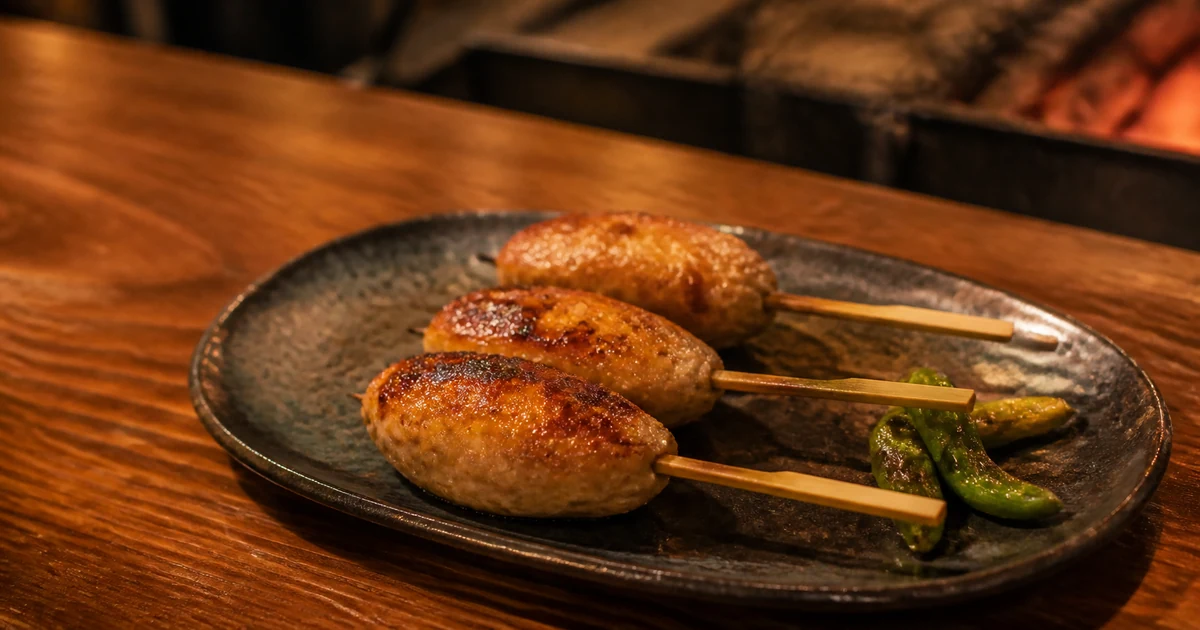
Tsukune is a tender Japanese minced-meat preparation often served as yakitori. Learn what it tastes like, how recipes vary, and what to check before ordering.
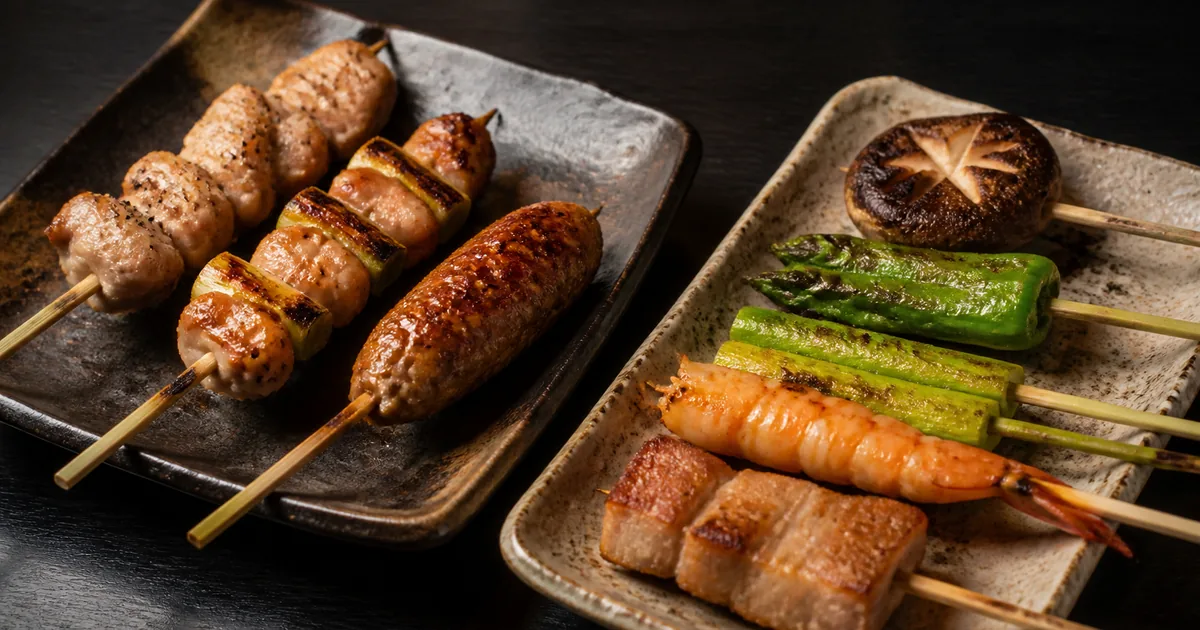
Yakitori and kushiyaki both describe Japanese grilled skewers, but they are not exact synonyms. Learn what each term covers, how menus use them, and which regional exceptions can surprise first-time visitors.
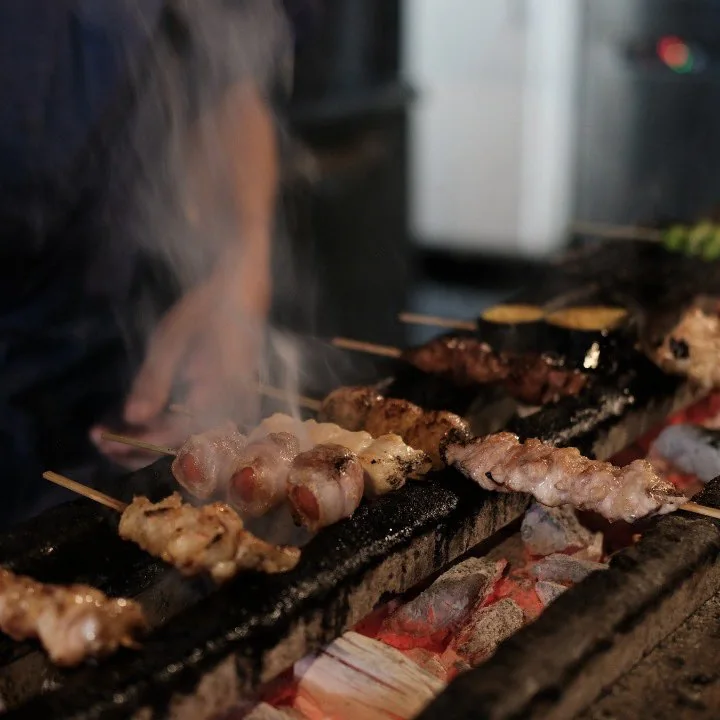
Ordering yakitori in Japan is easier when you know a few menu terms and dining customs. This beginner’s guide covers seasoning choices, useful phrases, skewer etiquette, and common mistakes.
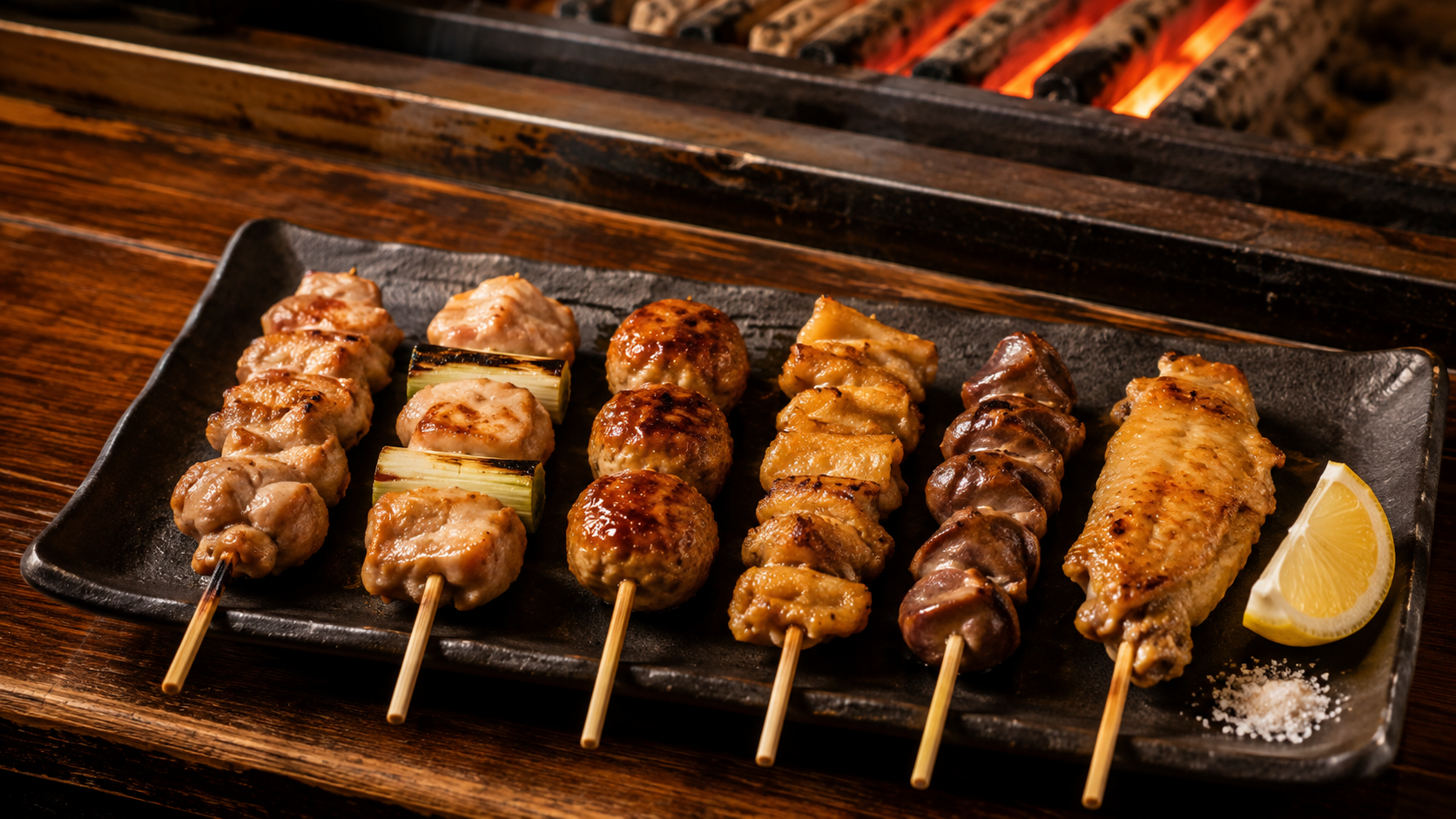
Yakitori menus use Japanese names for thigh, skin, heart, gizzard, cartilage, and other chicken parts. This guide explains the most common cuts, their textures, and beginner-friendly choices.
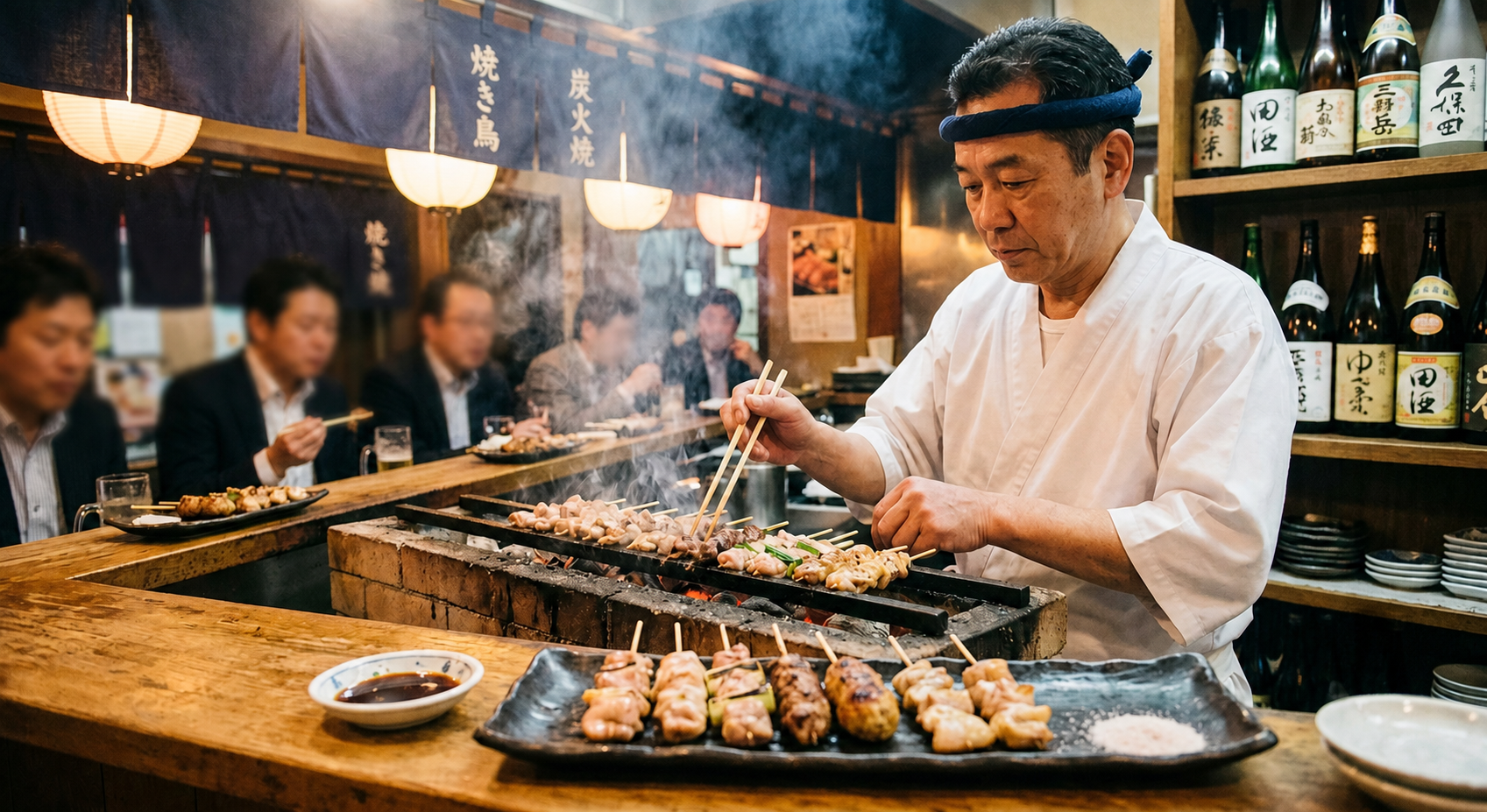
Yakitori is Japanese grilled chicken, usually served on skewers and seasoned with salt or tare. Learn what the name means, how the cuts differ, and how to order and eat yakitori in Japan.