Skip to content

Japan Food Compass

  • Sushi
  • Japanese Ingredients
  • Japanese Food Culture
  • Yakitori
  • Kitchen Tools
  • Blog

Hiro

Hiro is originally from Hokkaido and is currently based in Tokyo, Japan. Hiro began working at a fresh fish shop at the age of 17, learning the fundamentals of seasonal seafood, fish quality, handling, and preparation. At 22, while also working at an izakaya, Hiro entered the field of traditional Japanese cuisine and gained practical experience with Japanese ingredients, cooking techniques, and dining culture. At 25, Hiro became fascinated by the depth of yakitori—one of Japan’s most familiar and enduring food traditions. Hiro worked at yakitori restaurants until the age of 39, developing practical knowledge of chicken cuts, texture, skewering, charcoal grilling, heat control, and the use of shio and tare. Hiro later became a sushi chef, drawn by the seasonality of Japanese seafood and the way sushi expresses the changing flavors of fish throughout the year. At Japan Food Compass, Hiro draws on professional experience in fresh seafood, Japanese cuisine, yakitori, and sushi to explain Japanese food and culinary culture clearly and accurately for readers around the world.

Tsukune Yakitori: Texture, Seasoning, and Grill Technique
September 9, 2026August 23, 2026 by Hiro
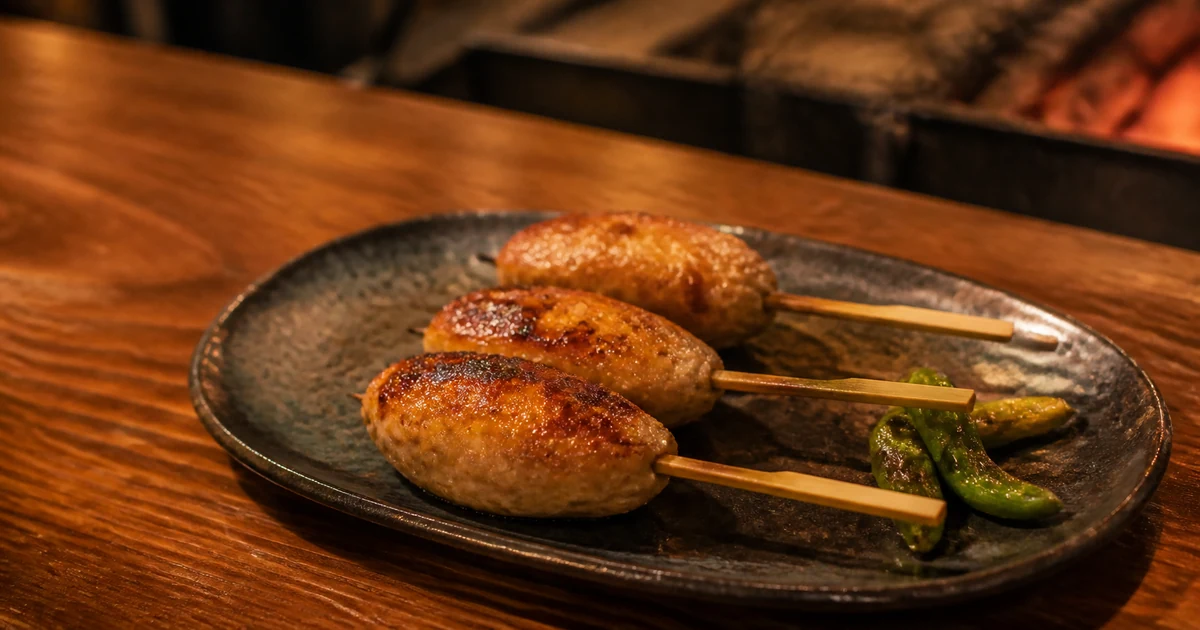
Grilled tsukune chicken meatball skewers on a ceramic plate

Tsukune is a tender Japanese minced-meat preparation often served as yakitori. Learn what it tastes like, how recipes vary, and what to check before ordering.

Categories Yakitori Tags Izakaya, Japanese Chicken Skewers, Japanese Food, Tsukune, Yakitori

Hotate Sushi: How Chefs Judge, Thaw, and Cut Scallops

September 8, 2026August 23, 2026 by Hiro
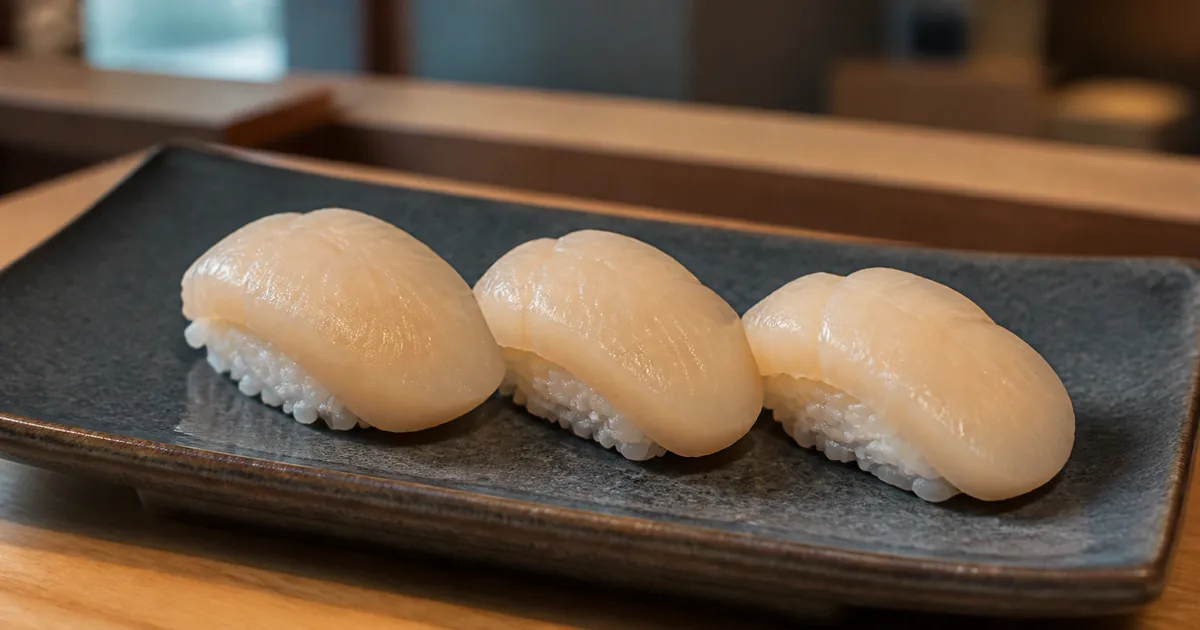
Three pieces of raw hotate scallop nigiri on a dark ceramic plate at a sushi counter

Hotate is the Japanese word for scallop. Discover its delicate sweetness, smooth texture, common sushi styles, and what beginners should know before ordering it raw or seared.
Categories Sushi Tags Hotate, Nigiri, Scallop, Shellfish, Sushi

Anago Sushi: The Edomae Craft Behind Tender Conger Eel

September 21, 2026August 23, 2026 by Hiro
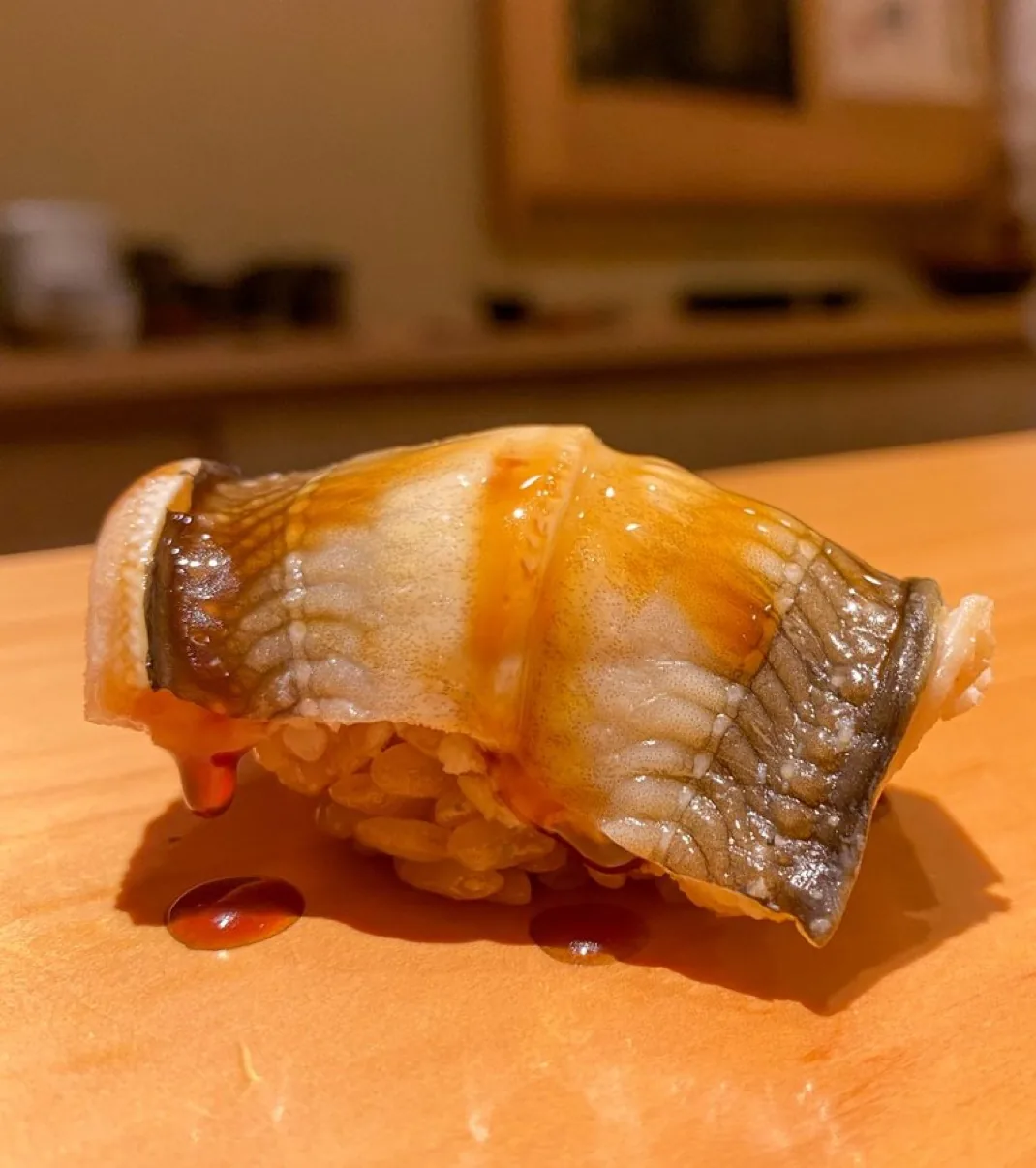
Tender anago nigiri brushed with glossy tsume sauce at a sushi counter

Anago is Japanese conger eel, usually cooked until tender and served with a glossy sauce. Learn how it tastes, how it appears in sushi, and why it differs from richer freshwater unagi.
Categories Sushi Tags Anago, Conger Eel, Edomae Sushi, Japanese Seafood, Sushi

Maguro Sushi Guide: Akami, Chutoro, and Otoro Explained

September 8, 2026August 23, 2026 by Hiro
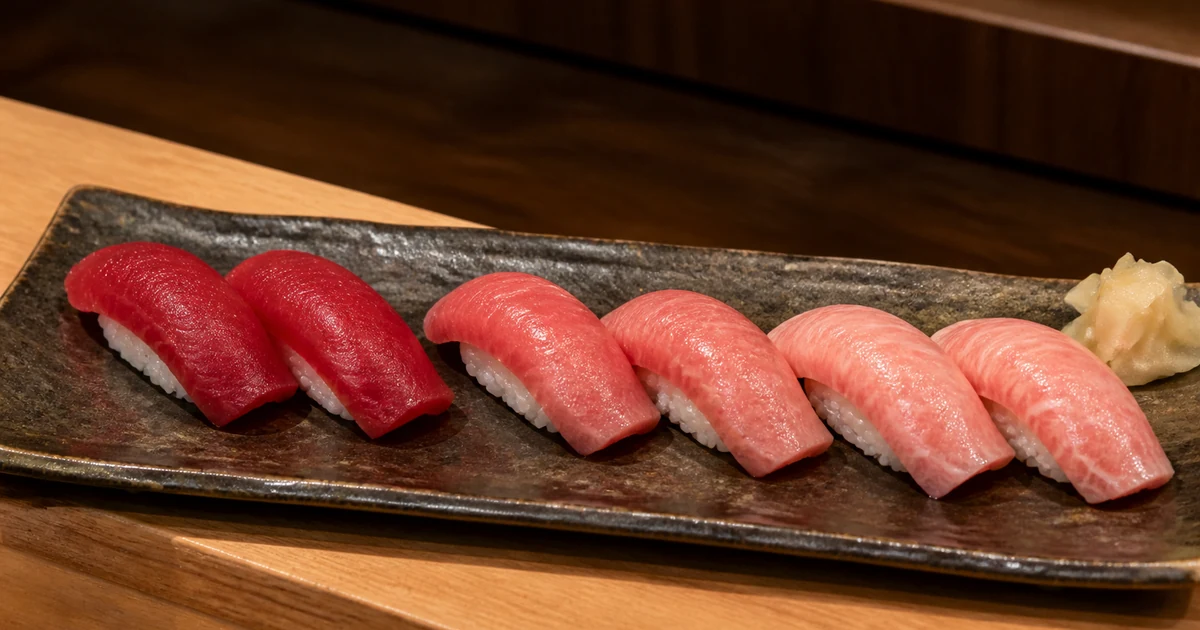
Six pieces of maguro nigiri showing lean akami, medium-fat chutoro, and marbled otoro

Maguro is tuna, but a sushi menu may divide it into lean akami, moderately fatty chutoro, and rich otoro. Learn how these cuts differ and which one to order first.
Categories Sushi Tags Akami, Maguro, Sushi, Toro, Tuna

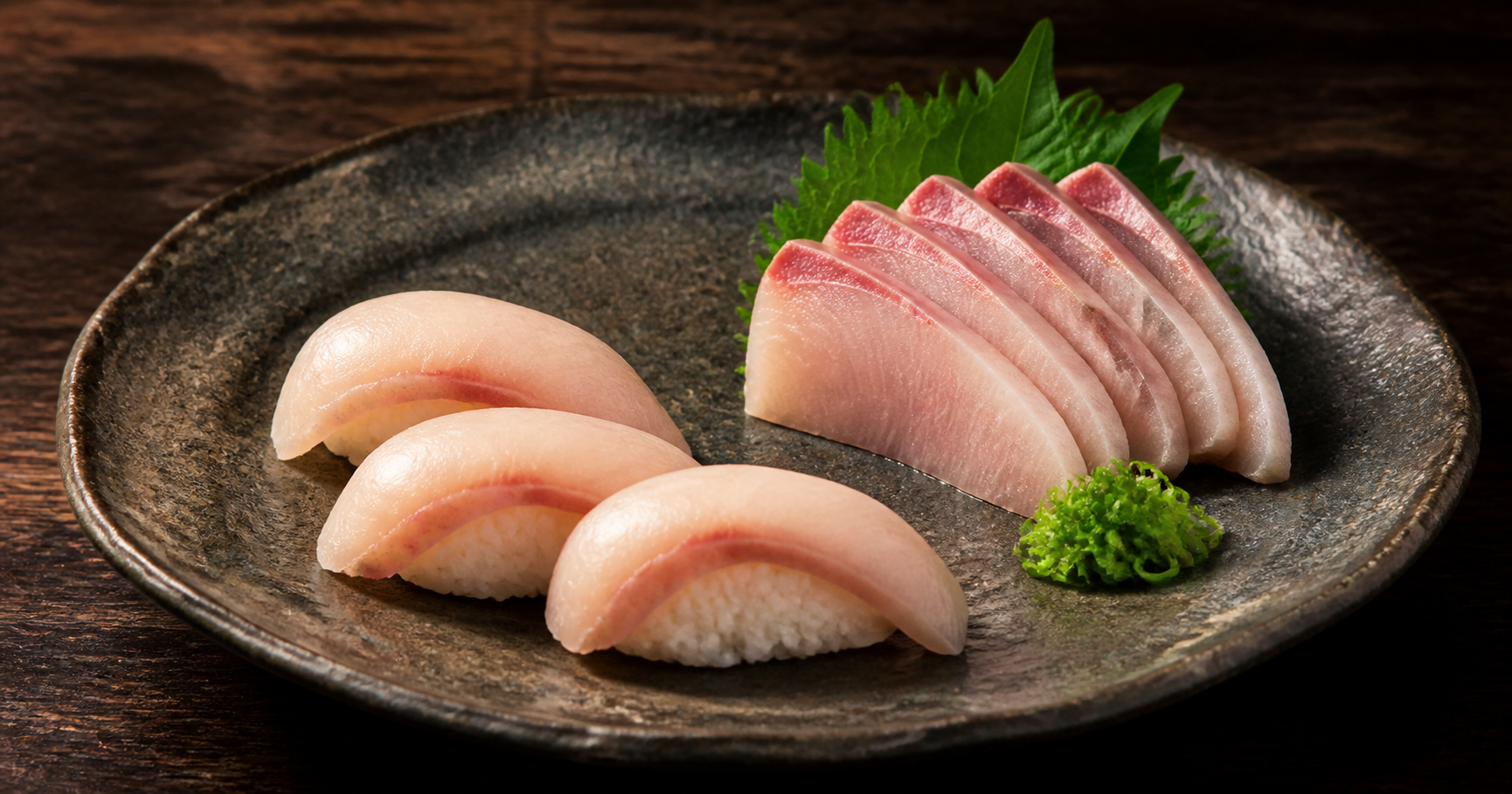
Hamachi, Buri, and Kanpachi: Japanese Yellowtail Explained

September 8, 2026August 22, 2026 by Hiro
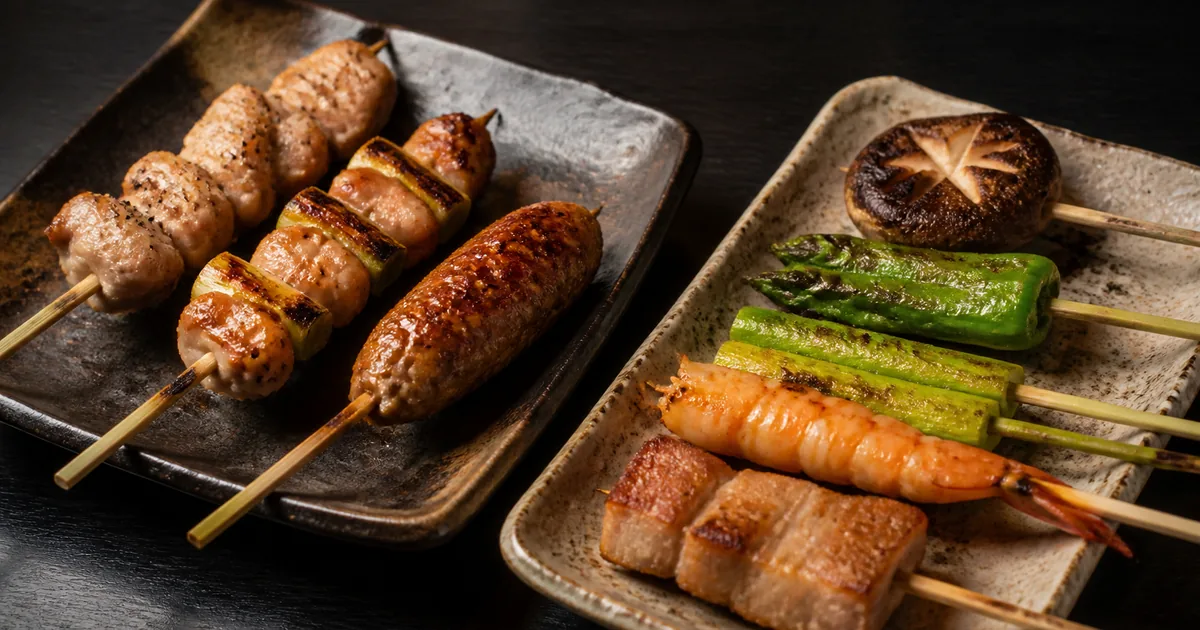
Hamachi yellowtail nigiri and sashimi on a Japanese ceramic plate

Hamachi is a popular yellowtail served in sushi and sashimi, but its name is often confused with buri and kanpachi. Learn how these fish differ in species, maturity, taste, texture, and use on Japanese menus.
Categories Sushi Tags Buri, Hamachi, Kanpachi, Sushi Ingredients, Yellowtail

Yakitori vs. Kushiyaki: What’s the Difference on Japanese Menus?

September 8, 2026August 22, 2026 by Hiro
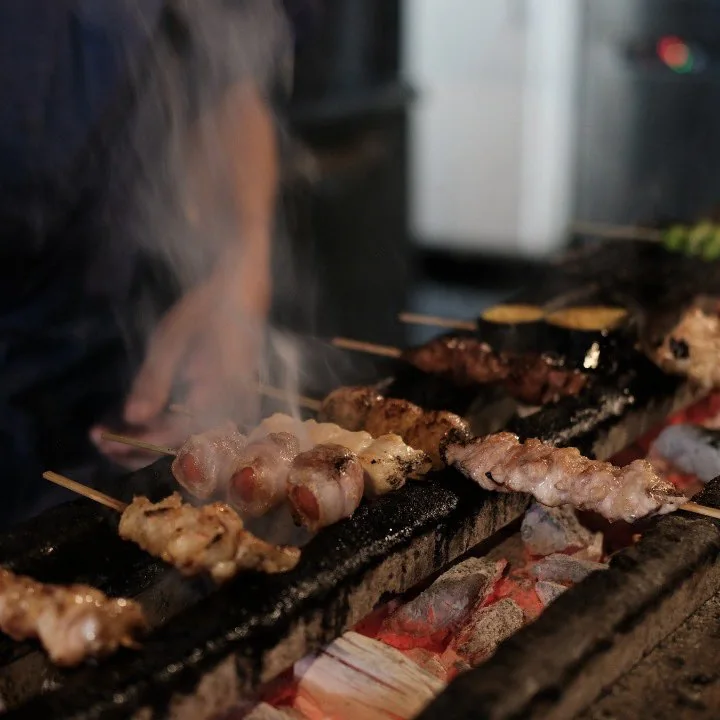
Assorted yakitori and vegetable kushiyaki skewers on ceramic plates

Yakitori and kushiyaki both describe Japanese grilled skewers, but they are not exact synonyms. Learn what each term covers, how menus use them, and which regional exceptions can surprise first-time visitors.
Categories Yakitori Tags Izakaya, Japan Travel, Japanese Food, Kushiyaki, Yakitori

How to Order Yakitori in Japan: Etiquette and Common Mistakes

September 8, 2026August 21, 2026 by Hiro
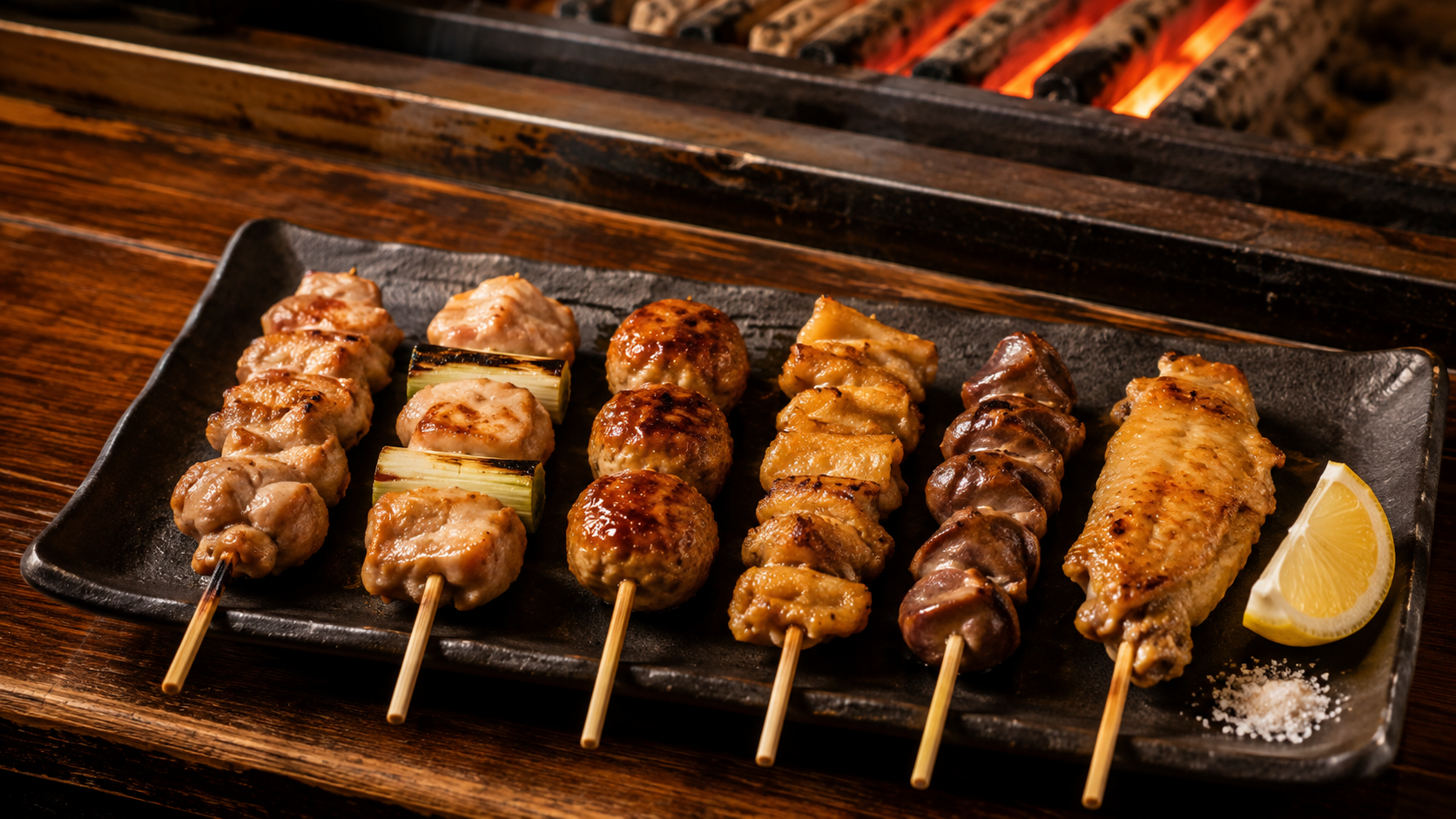
Yakitori skewers grilling over charcoal at a Japanese restaurant

Ordering yakitori in Japan is easier when you know a few menu terms and dining customs. This beginner’s guide covers seasoning choices, useful phrases, skewer etiquette, and common mistakes.
Categories Yakitori Tags Izakaya, Japan Travel, Japanese Dining Etiquette, Japanese Food, Yakitori

Yakitori Cuts Explained: A Guide to Japanese Chicken Skewers

September 8, 2026August 21, 2026 by Hiro
Different yakitori cuts served as Japanese grilled chicken skewers

Yakitori menus use Japanese names for thigh, skin, heart, gizzard, cartilage, and other chicken parts. This guide explains the most common cuts, their textures, and beginner-friendly choices.
Categories Yakitori Tags Chicken Cuts, Izakaya, Japanese Chicken Skewers, Japanese Food, Yakitori

Uni Sushi: Taste, Grades, and How Chefs Judge Sea Urchin

September 8, 2026August 21, 2026 by Hiro
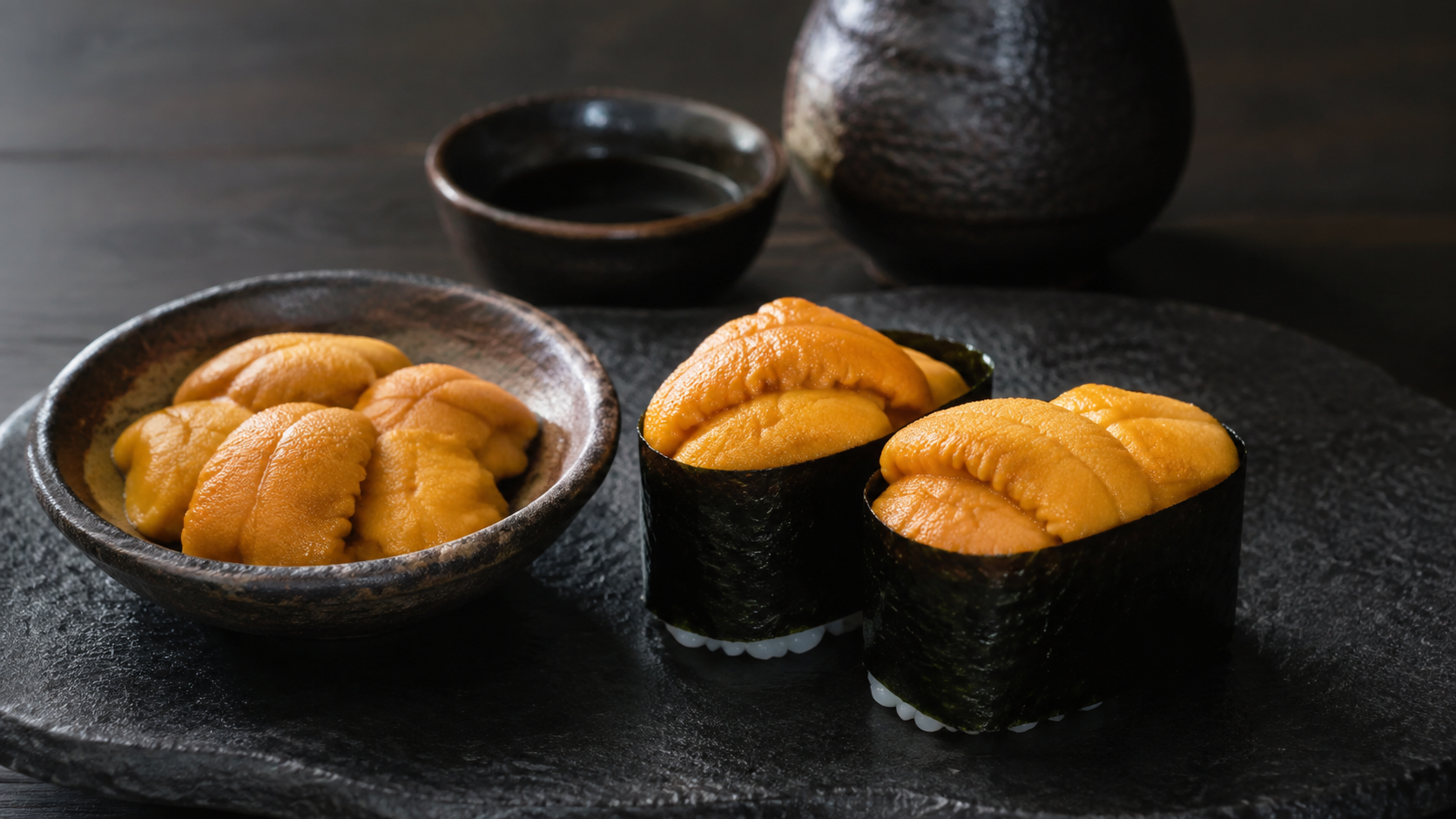
Golden-orange uni served as gunkan sushi with additional sea urchin in a ceramic bowl

Uni is the edible gonad of sea urchin, prized for its creamy texture, natural sweetness, and umami. Learn about common types, processing, and sushi uses.
Categories Sushi Tags Gunkan Sushi, Japanese Seafood, Japanese Sushi, Sea Urchin, Sushi Ingredients, Uni

Tobiko, Masago, and Ikura: How Japanese Fish Roe Differ

September 8, 2026August 21, 2026 by Hiro
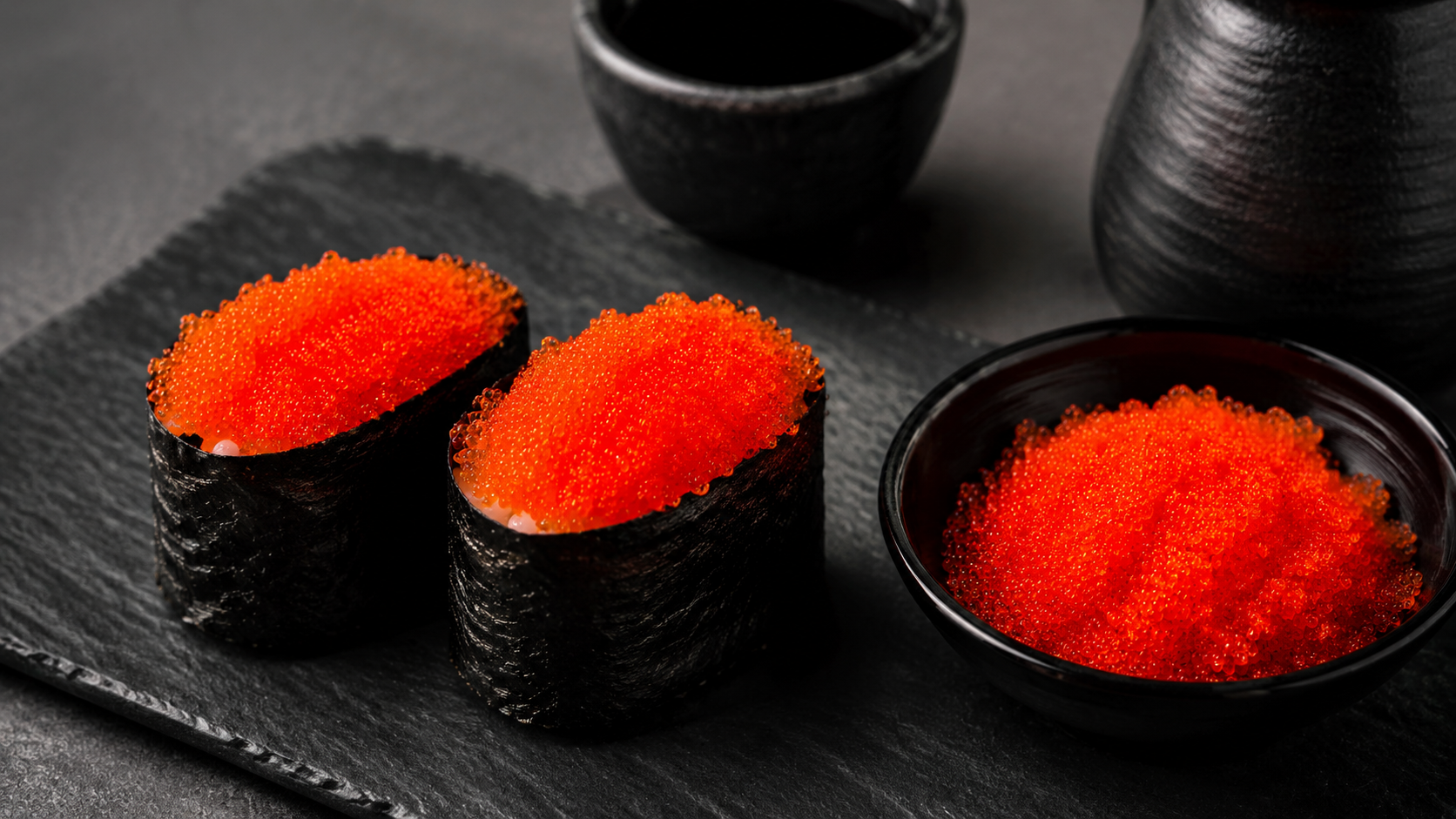
Tobiko flying fish roe served in two gunkan sushi pieces and a small black bowl

Tobiko is flying fish roe known for its bright color and crunchy pop. Learn how it tastes, how it differs from masago and ikura, and how it is used in sushi.

Categories Sushi Tags Flying Fish Roe, Gunkan Sushi, Ikura, Masago, Sushi Ingredients, Tobiko
Older posts
Newer posts
← Previous Page1 … Page5 Page6 Page7 … Page9 Next →

Clear, practical guides to Japanese food, ingredients, culture, and dining.

Information

  • About
  • Contact
  • Privacy Policy
  • Affiliate Disclosure

Explore

  • Sushi
  • Japanese Ingredients
  • Japanese Food Culture
  • Yakitori
  • Kitchen Tools