Kawahagi Sushi: The White Fish Transformed by Its Liver
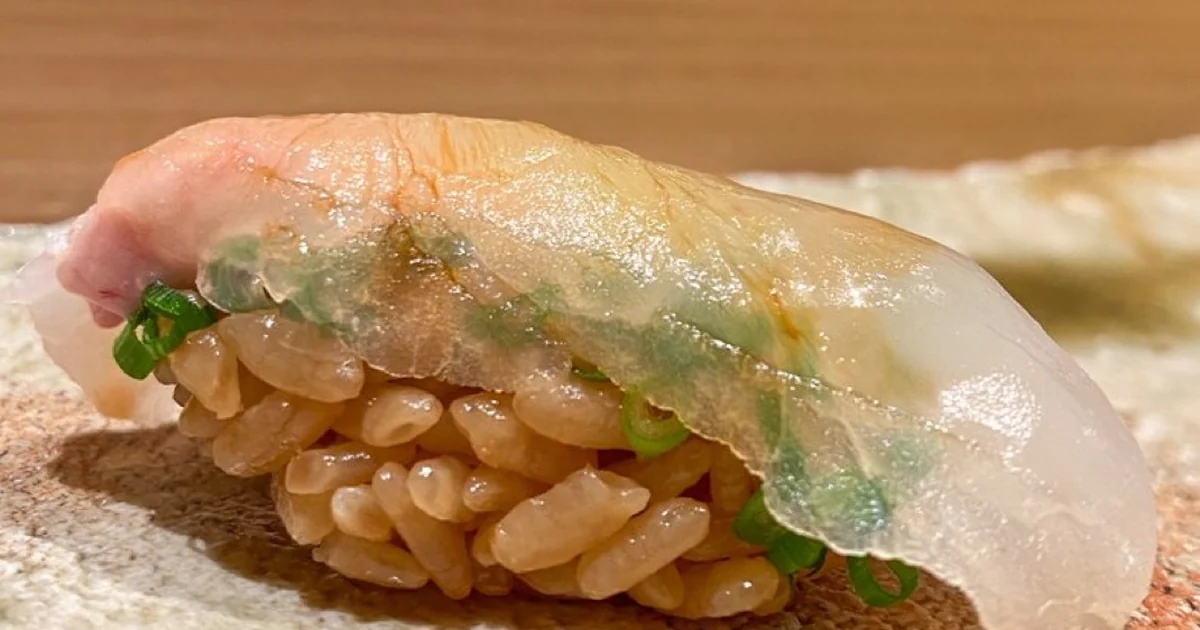
Kawahagi pairs firm, delicate white flesh with a rich liver prized in autumn and winter. A sushi chef explains the preparation—and the mistake that changed his work.
Kawahagi pairs firm, delicate white flesh with a rich liver prized in autumn and winter. A sushi chef explains the preparation—and the mistake that changed his work.
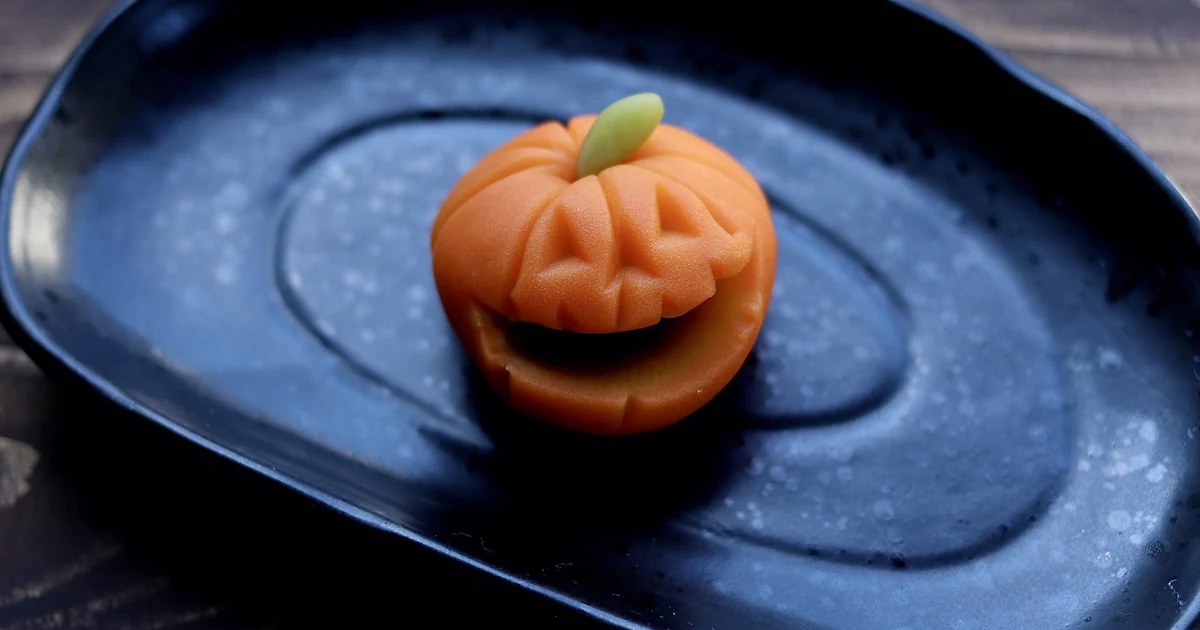
Kabocha becomes tempura, suage, a simmered dish, and Halloween wagashi, while Obon’s cucumber horse and eggplant cow carry a separate symbolic meaning.
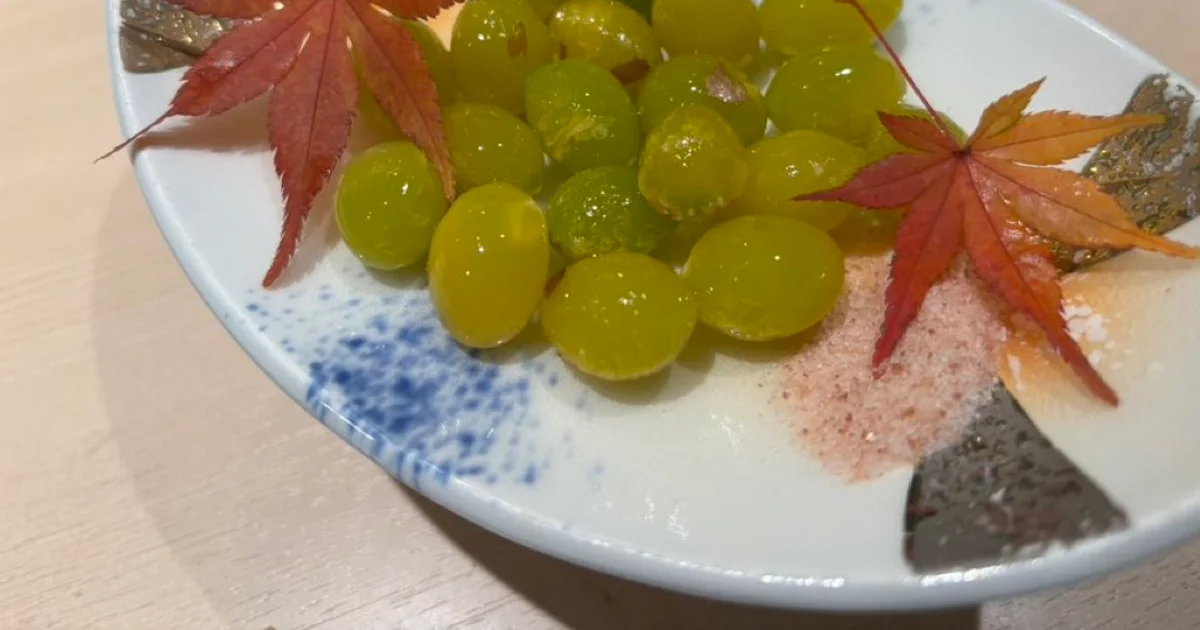
Ginkgo nuts are a small but memorable taste of autumn in Japan. Explore their flavor, classic dishes, and the hidden skill behind a balanced grilled ginnan skewer.
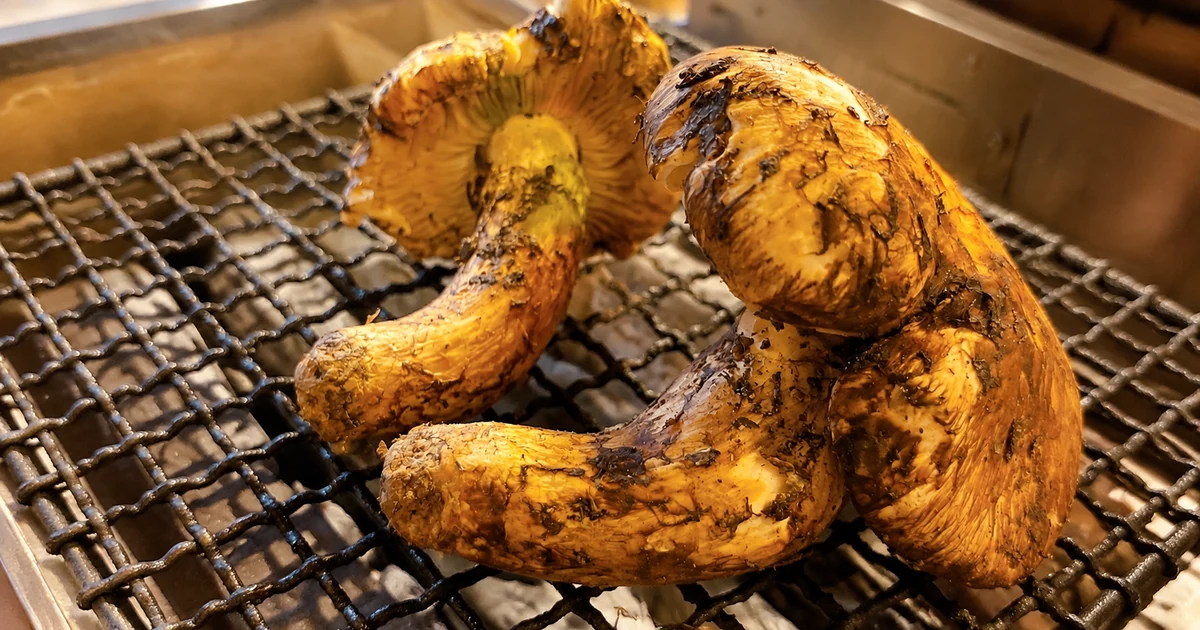
Matsutake is one of Japan’s most prized autumn ingredients. See why domestic mushrooms are scarce and how four classic preparations reveal their aroma and texture.
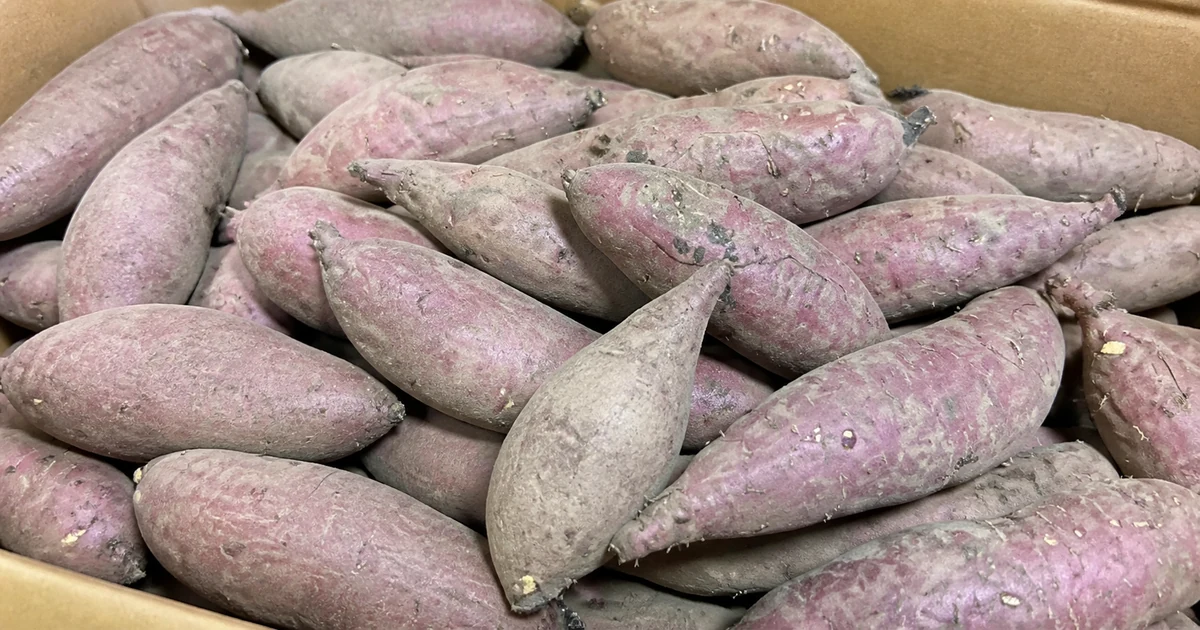
Japanese sweet potatoes are not limited to yakiimo. See how satsumaimo moves from rice and savory simmered dishes to daigaku imo, wagashi, and regional specialties.
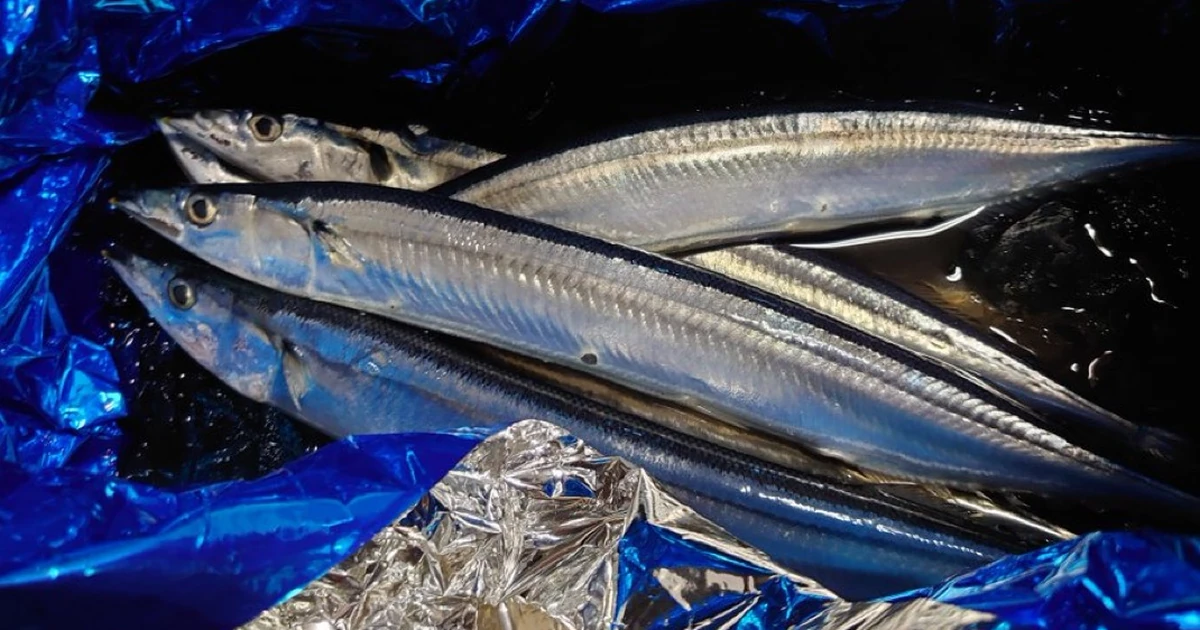
Sanma can be grilled with salt, simmered with seasonings, or served as nigiri. Follow how each method changes the aroma, texture, and richness of this autumn fish.
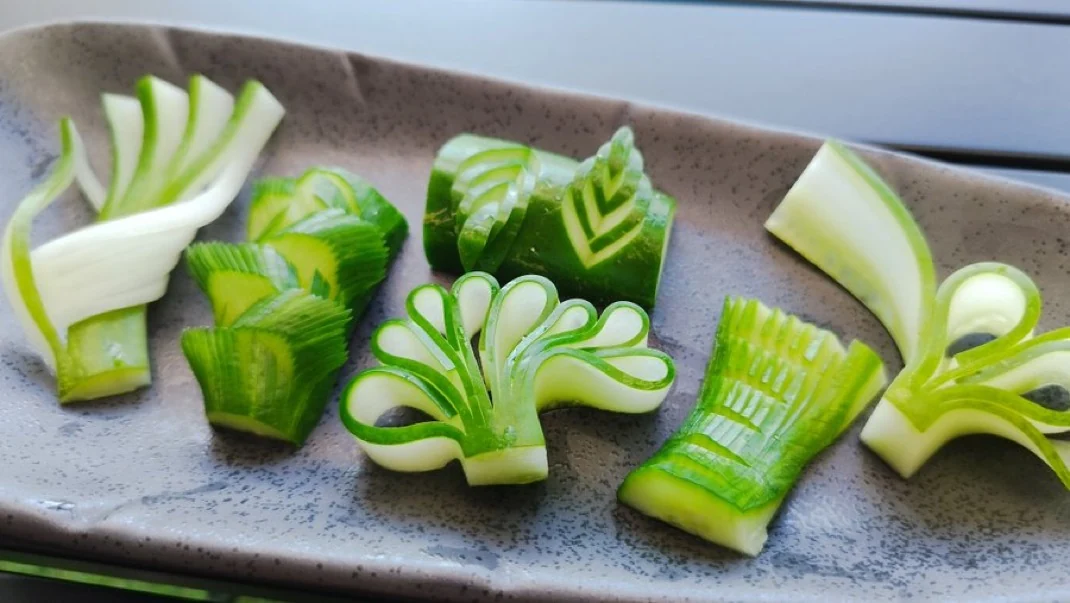
Japanese cucumbers are valued for tender skin, juicy flesh, and a crisp bite. See how they are eaten raw and transformed into decorative restaurant garnishes.
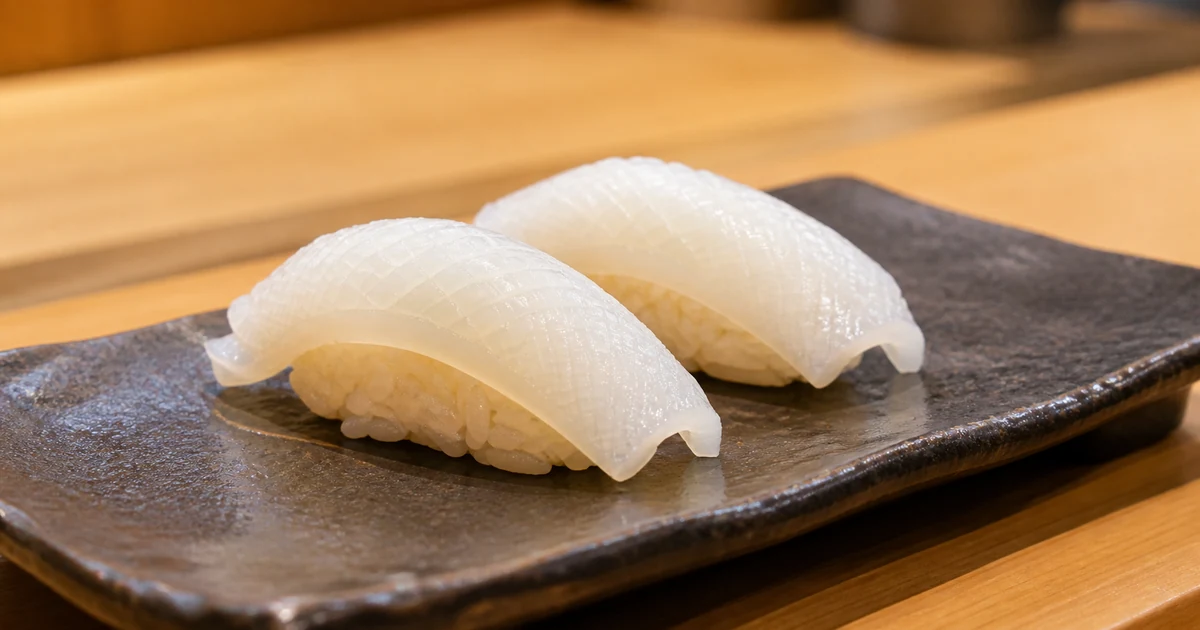
Squid can be served simply or transformed through precise knife work. Learn how Japanese chefs adjust the cut for sauce, texture, species, and each part of the squid.
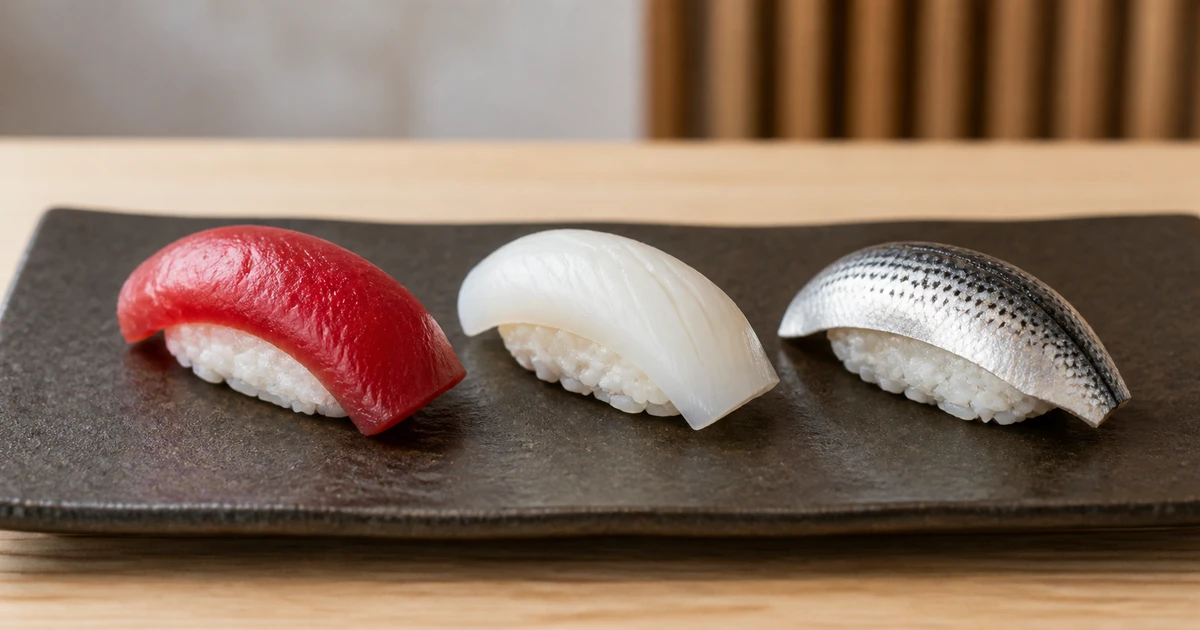
Sushi rice is not served at one fixed temperature for every topping. See how one counter uses slightly cooler or warmer shari to balance aroma, fat, and texture.
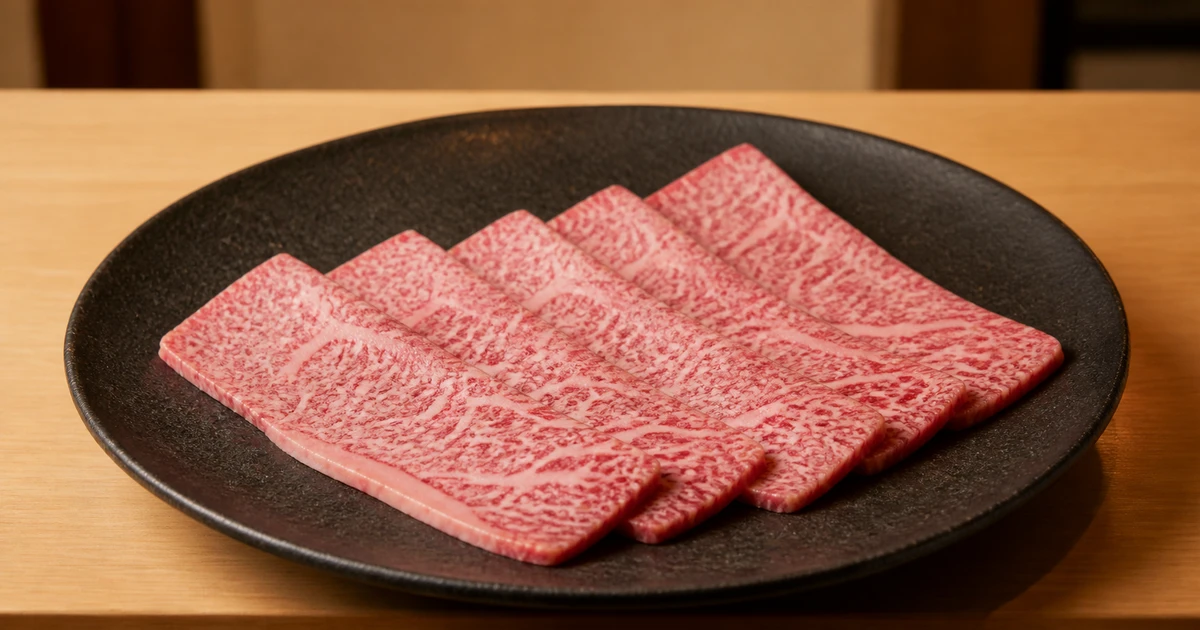
A5 is a Japanese carcass grade, not a breed or brand. Learn how yield, meat quality, and BMS are assessed—and why portion, cut, and cooking still shape the experience.