Skip to content

Japan Food Compass

  • Sushi
  • Japanese Ingredients
  • Japanese Food Culture
  • Yakitori
  • Kitchen Tools
  • Blog

Hiro

Hiro is originally from Hokkaido and is currently based in Tokyo, Japan. Hiro began working at a fresh fish shop at the age of 17, learning the fundamentals of seasonal seafood, fish quality, handling, and preparation. At 22, while also working at an izakaya, Hiro entered the field of traditional Japanese cuisine and gained practical experience with Japanese ingredients, cooking techniques, and dining culture. At 25, Hiro became fascinated by the depth of yakitori—one of Japan’s most familiar and enduring food traditions. Hiro worked at yakitori restaurants until the age of 39, developing practical knowledge of chicken cuts, texture, skewering, charcoal grilling, heat control, and the use of shio and tare. Hiro later became a sushi chef, drawn by the seasonality of Japanese seafood and the way sushi expresses the changing flavors of fish throughout the year. At Japan Food Compass, Hiro draws on professional experience in fresh seafood, Japanese cuisine, yakitori, and sushi to explain Japanese food and culinary culture clearly and accurately for readers around the world.

Kawahagi Sushi: The White Fish Transformed by Its Liver
September 19, 2026 by Hiro
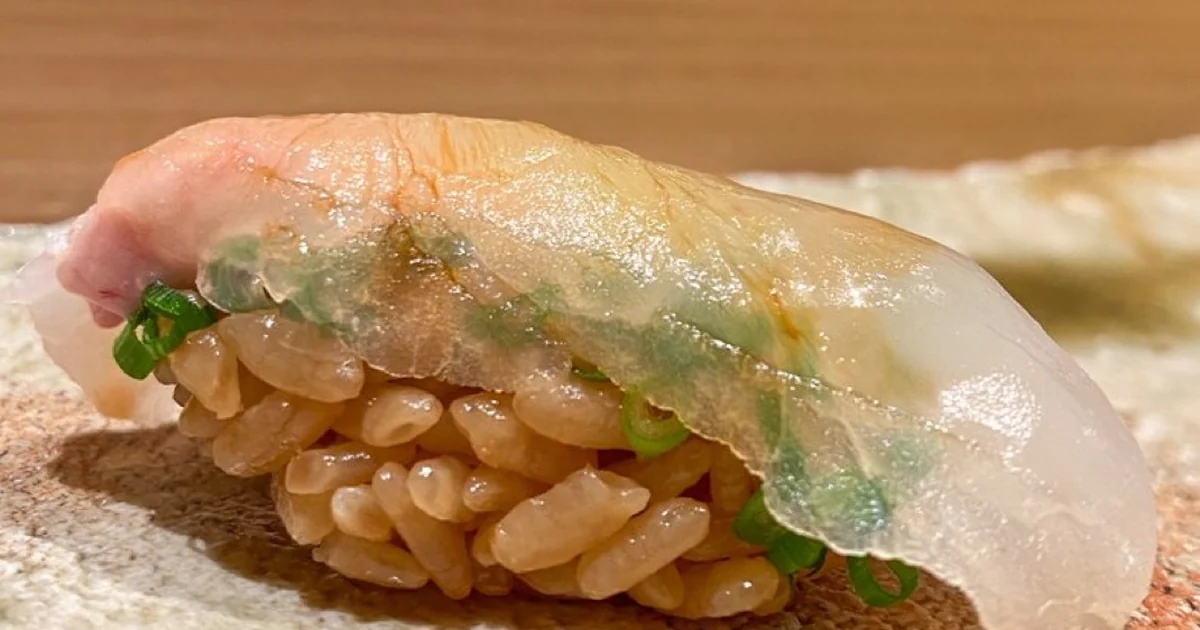
Kawahagi nigiri with thinly sliced white fish and green onion at a sushi counter

Kawahagi pairs firm, delicate white flesh with a rich liver prized in autumn and winter. A sushi chef explains the preparation—and the mistake that changed his work.

Categories Sushi Tags Filefish, Japanese Seafood, Kawahagi, Nigiri, Sushi

Seasonal Food Traditions in Japan: Obon Vegetables and Halloween Wagashi

September 6, 2026September 6, 2026 by Hiro
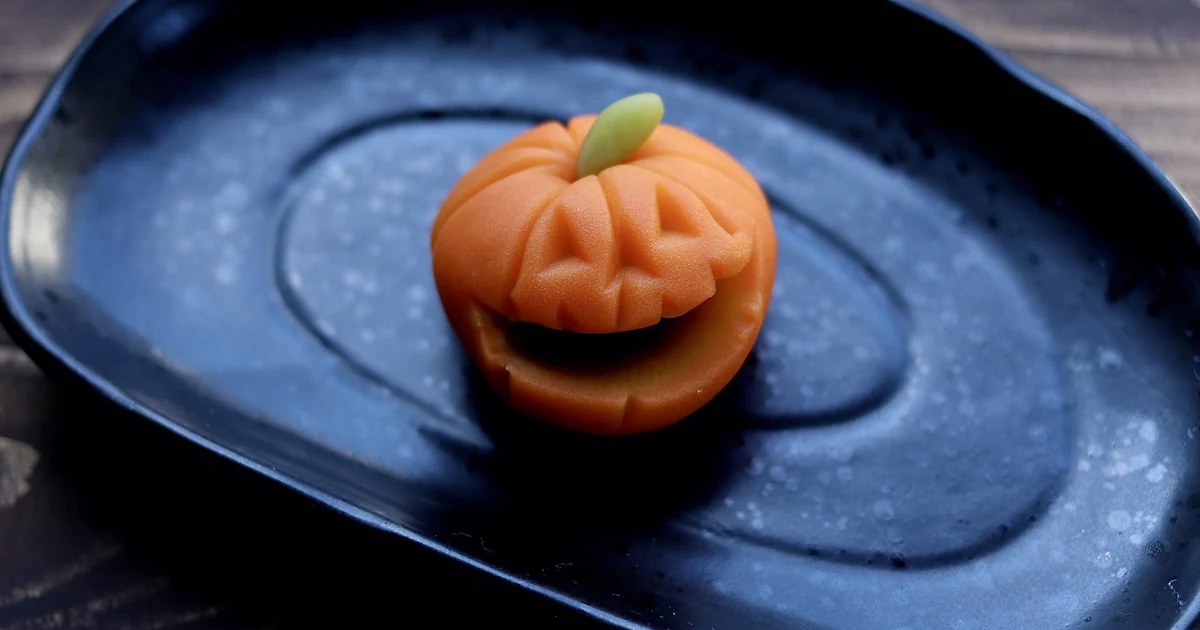
Orange kabocha wagashi shaped like a jack-o-lantern on a black plate

Kabocha becomes tempura, suage, a simmered dish, and Halloween wagashi, while Obon’s cucumber horse and eggplant cow carry a separate symbolic meaning.
Categories Japanese Food Culture Tags Halloween in Japan, Japanese seasonal food, kabocha, Obon, pumpkin tempura, shoryo-uma, wagashi

Ginkgo Nuts in Japan: Autumn Flavor and the Skill Behind a Simple Skewer

September 5, 2026 by Hiro
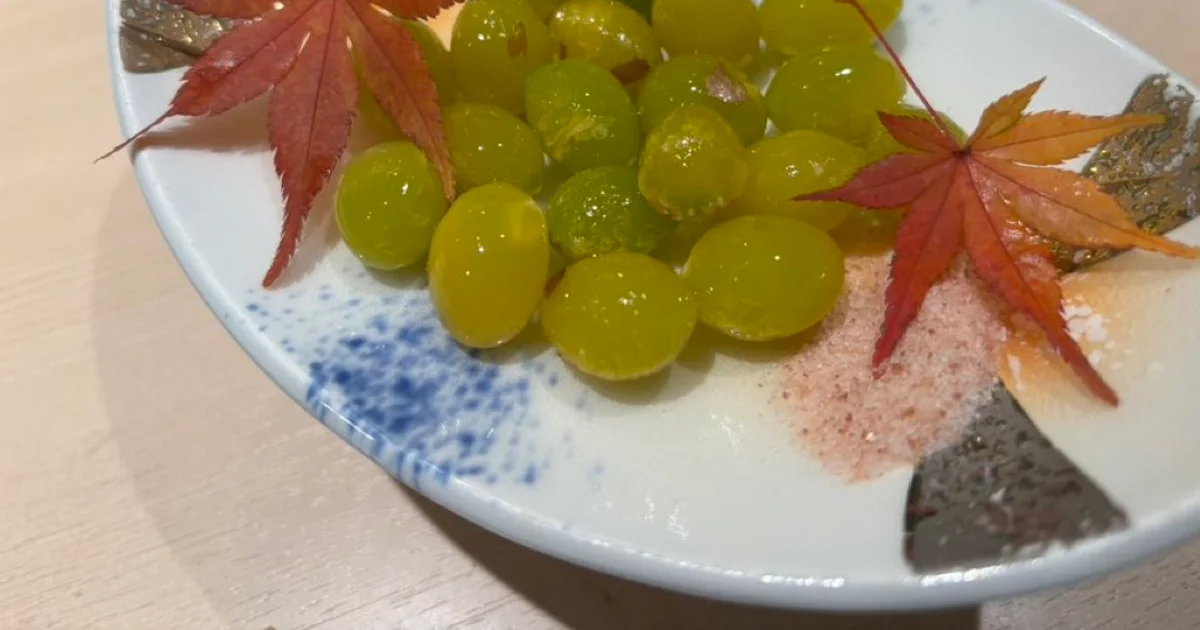
Glossy green ginkgo nuts served with salt and red maple leaves in Japan

Ginkgo nuts are a small but memorable taste of autumn in Japan. Explore their flavor, classic dishes, and the hidden skill behind a balanced grilled ginnan skewer.
Categories Japanese Ingredients Tags Chawanmushi, ginkgo nuts, ginkgo skewer, ginnan, grilled ginkgo nuts, Japanese autumn food

Inside Japan’s Matsutake Season: Aroma, Price, and Four Classic Dishes

September 7, 2026September 4, 2026 by Hiro
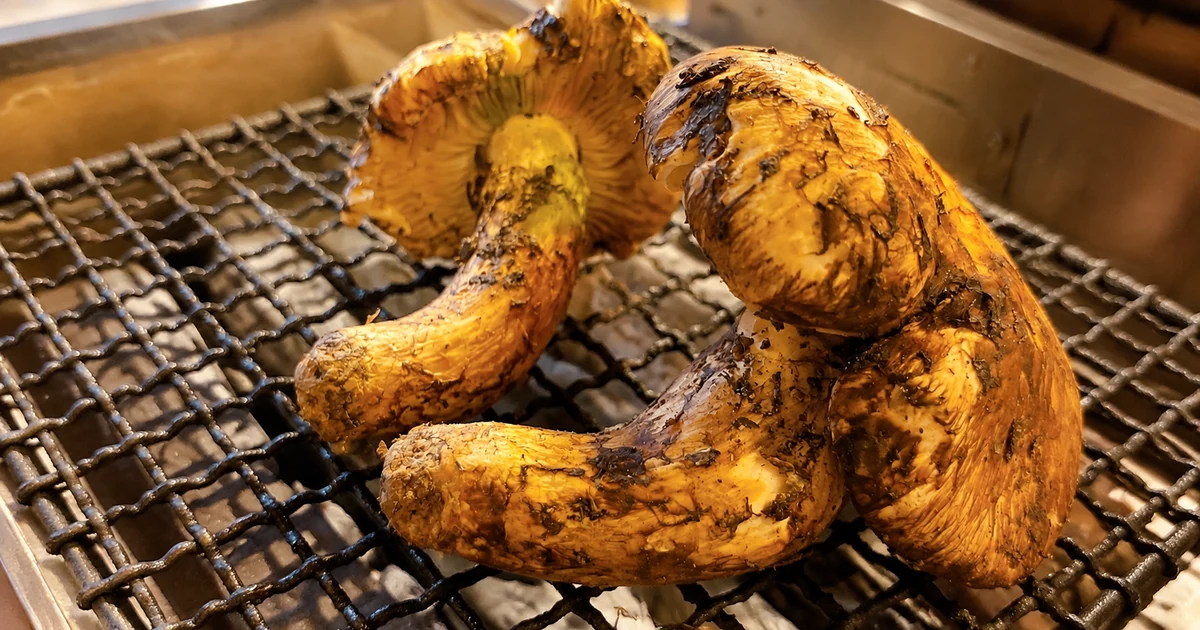
Three whole matsutake mushrooms grilling over charcoal on a wire grate

Matsutake is one of Japan’s most prized autumn ingredients. See why domestic mushrooms are scarce and how four classic preparations reveal their aroma and texture.
Categories Japanese Ingredients Tags autumn food in Japan, dobin mushi, Japanese mushrooms, matsutake, matsutake mushroom, matsutake tempura

How Japan Eats Sweet Potatoes: Rice, Soups, Sweets, and Regional Dishes

September 4, 2026 by Hiro
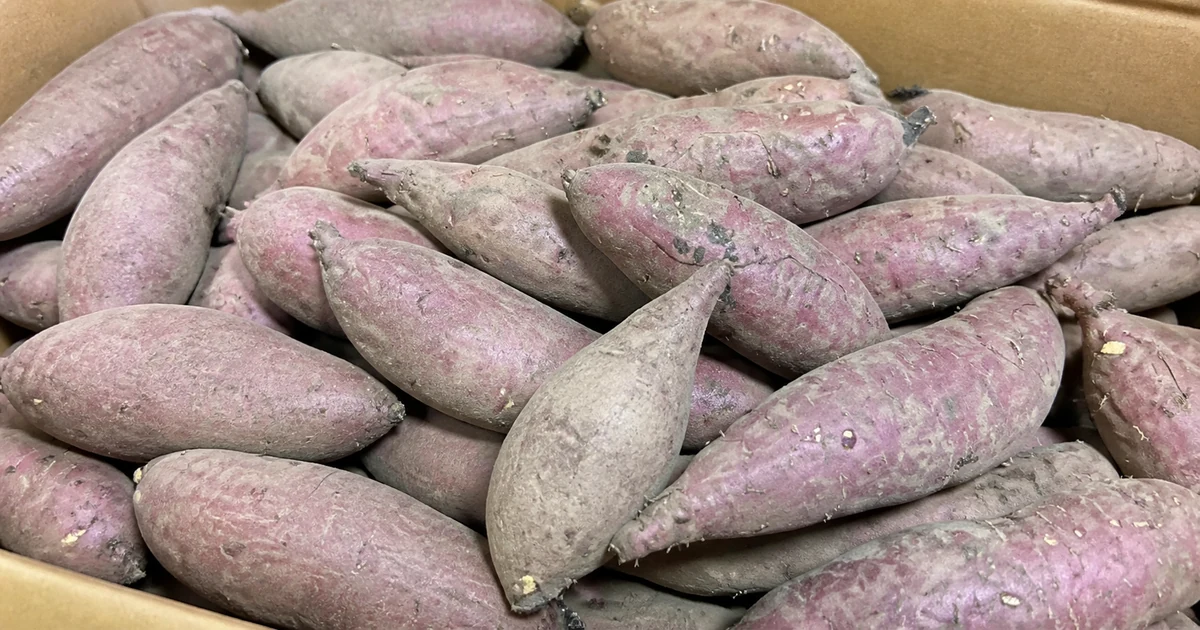
Unwashed purple-skinned Japanese sweet potatoes piled in a cardboard produce box

Japanese sweet potatoes are not limited to yakiimo. See how satsumaimo moves from rice and savory simmered dishes to daigaku imo, wagashi, and regional specialties.
Categories Japanese Ingredients Tags daigaku imo, imo yokan, Japanese sweet potato, regional Japanese food, satsumaimo, sweet potato rice

Sanma in Japan: How Pacific Saury Changes from Grill to Sushi

September 3, 2026 by Hiro
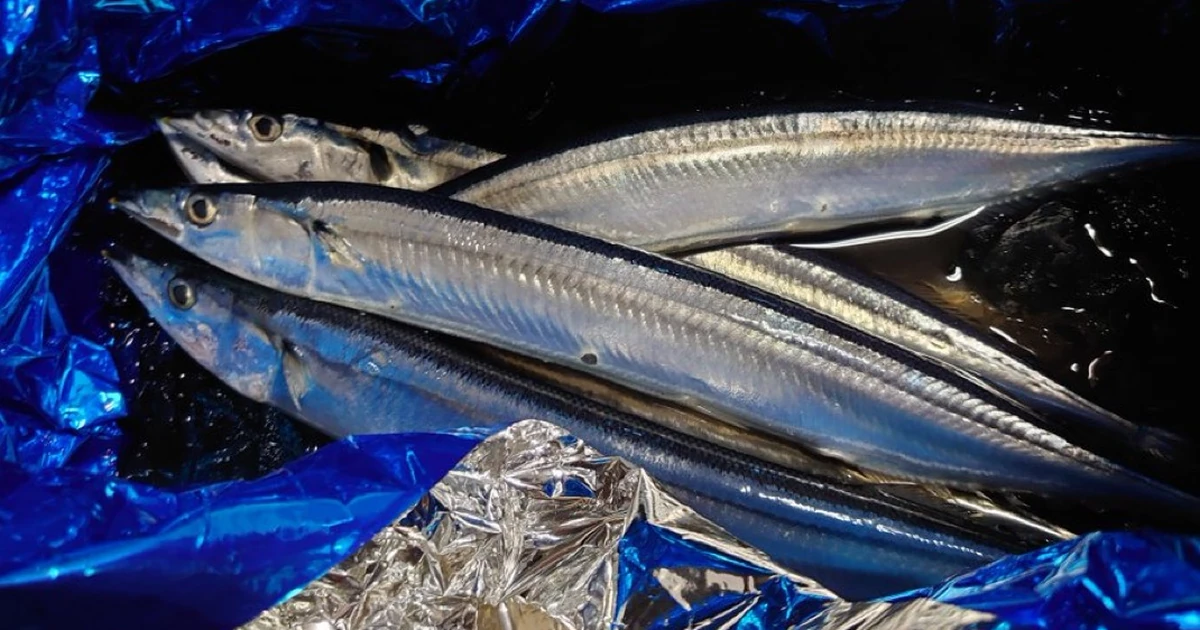
Fresh whole sanma Pacific saury with bright silver skin at a Japanese fish market

Sanma can be grilled with salt, simmered with seasonings, or served as nigiri. Follow how each method changes the aroma, texture, and richness of this autumn fish.
Categories Japanese Food Culture Tags grilled fish, Japanese autumn food, Japanese fish, Pacific saury, sanma, sanma sushi

Japanese Cucumbers: Thin Skin, Crisp Texture, and Decorative Cuts

September 3, 2026 by Hiro
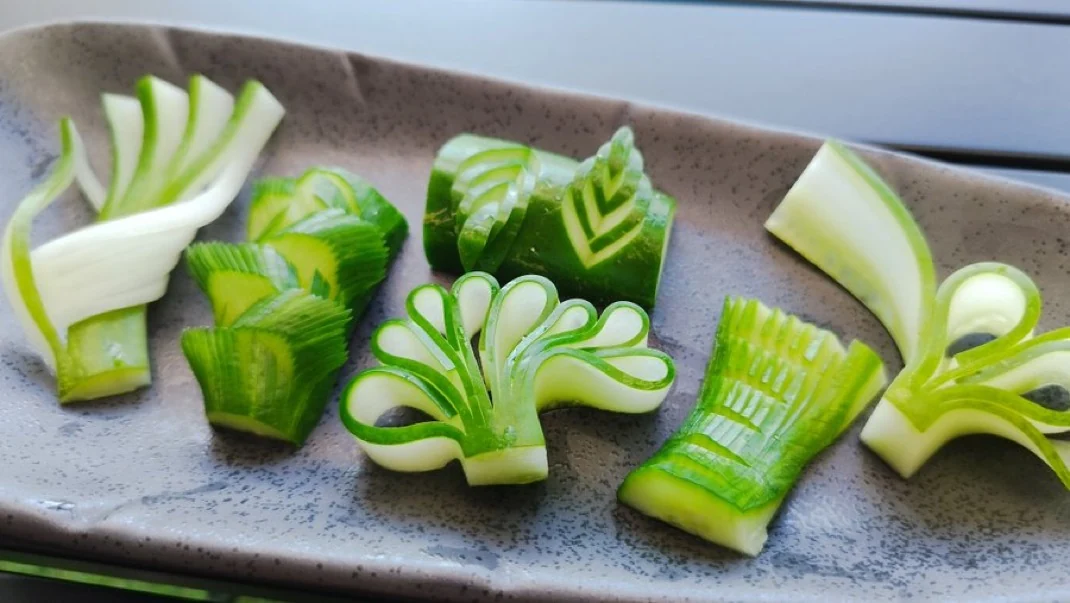
Japanese Cucumber Decorative Cut Examples

Japanese cucumbers are valued for tender skin, juicy flesh, and a crisp bite. See how they are eaten raw and transformed into decorative restaurant garnishes.
Categories Japanese Ingredients Tags ashirai, cucumber garnish, Japanese cucumber, Japanese knife skills, kazari-giri, kyuri

How Japanese Chefs Cut Squid: Types, Texture, and Decorative Knife Work

September 6, 2026September 3, 2026 by Hiro
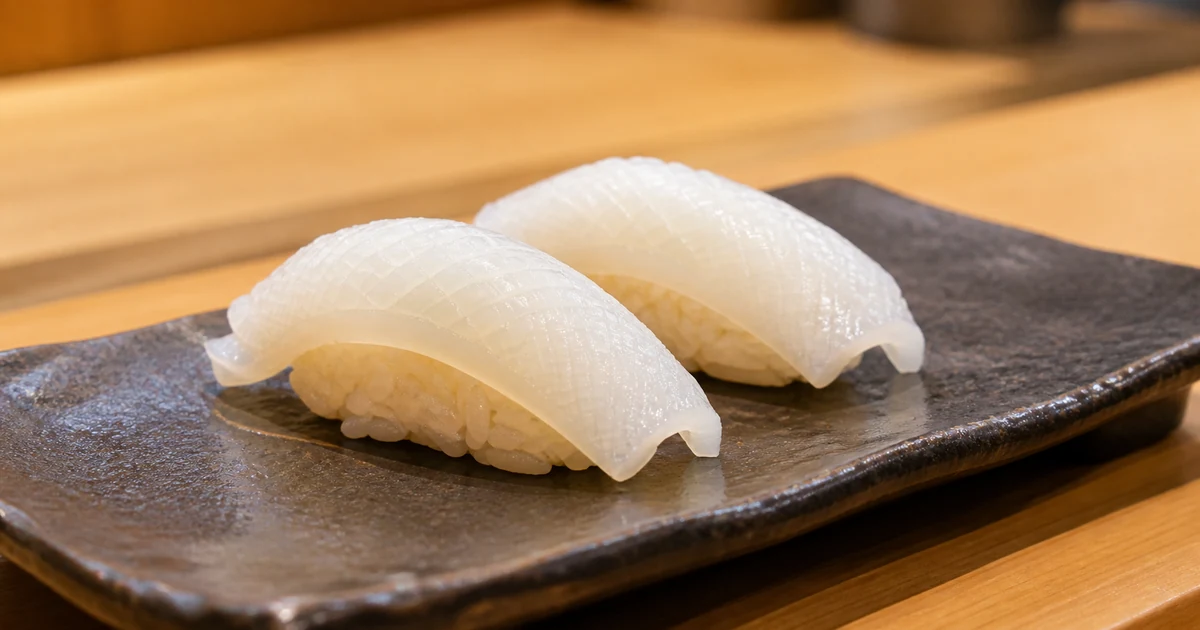
Two pieces of finely scored squid nigiri on a dark Japanese ceramic plate

Squid can be served simply or transformed through precise knife work. Learn how Japanese chefs adjust the cut for sauce, texture, species, and each part of the squid.
Categories Sushi Tags Ika, ika nigiri, Japanese knife skills, kazari-giri, squid, squid sashimi

Sushi Rice Temperature: Why Chefs Adjust Shari for Different Fish

September 7, 2026September 1, 2026 by Hiro
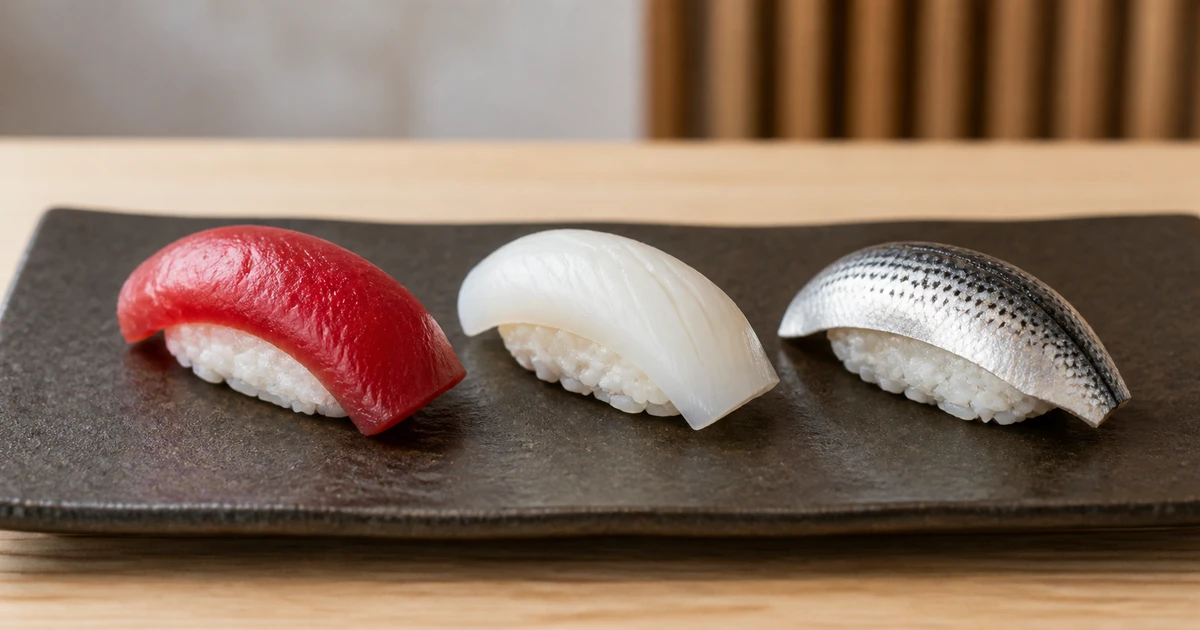
Three nigiri pieces—tuna, squid, and silver-skinned fish—arranged on a dark ceramic plate

Sushi rice is not served at one fixed temperature for every topping. See how one counter uses slightly cooler or warmer shari to balance aroma, fat, and texture.
Categories Sushi Tags nigiri sushi, shari, Squid Sushi, sushi rice, sushi temperature, tuna sushi

A5 Wagyu Explained: Grades, Marbling, and How It Is Served in Japan

August 31, 2026 by Hiro
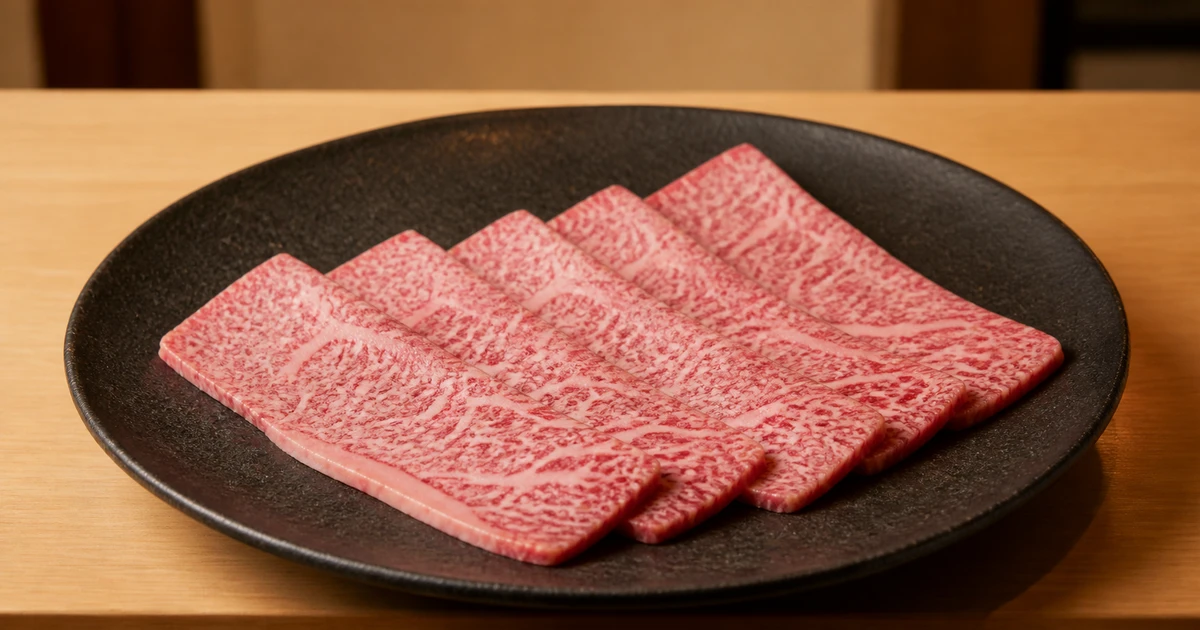
Thin slices of finely marbled Japanese Wagyu arranged on a dark ceramic plate

A5 is a Japanese carcass grade, not a breed or brand. Learn how yield, meat quality, and BMS are assessed—and why portion, cut, and cooking still shape the experience.

Categories Japanese Ingredients Tags A5 Wagyu, BMS, Japanese beef, Kobe beef, Wagyu grades, Wagyu sushi
Older posts
Page1 Page2 … Page9 Next →

Clear, practical guides to Japanese food, ingredients, culture, and dining.

Information

  • About
  • Contact
  • Privacy Policy
  • Affiliate Disclosure

Explore

  • Sushi
  • Japanese Ingredients
  • Japanese Food Culture
  • Yakitori
  • Kitchen Tools