Skip to content

Japan Food Compass

  • Sushi
  • Japanese Ingredients
  • Japanese Food Culture
  • Yakitori
  • Kitchen Tools
  • Blog

Japanese Food Blog

Explore Japanese foodJapanese Food CultureJapanese IngredientsKitchen ToolsSushiYakitori

Japanese Teapot Types: How Kyusu, Hohin, Dobin, and Shiboridashi Differ
September 12, 2026August 29, 2026 by Hiro
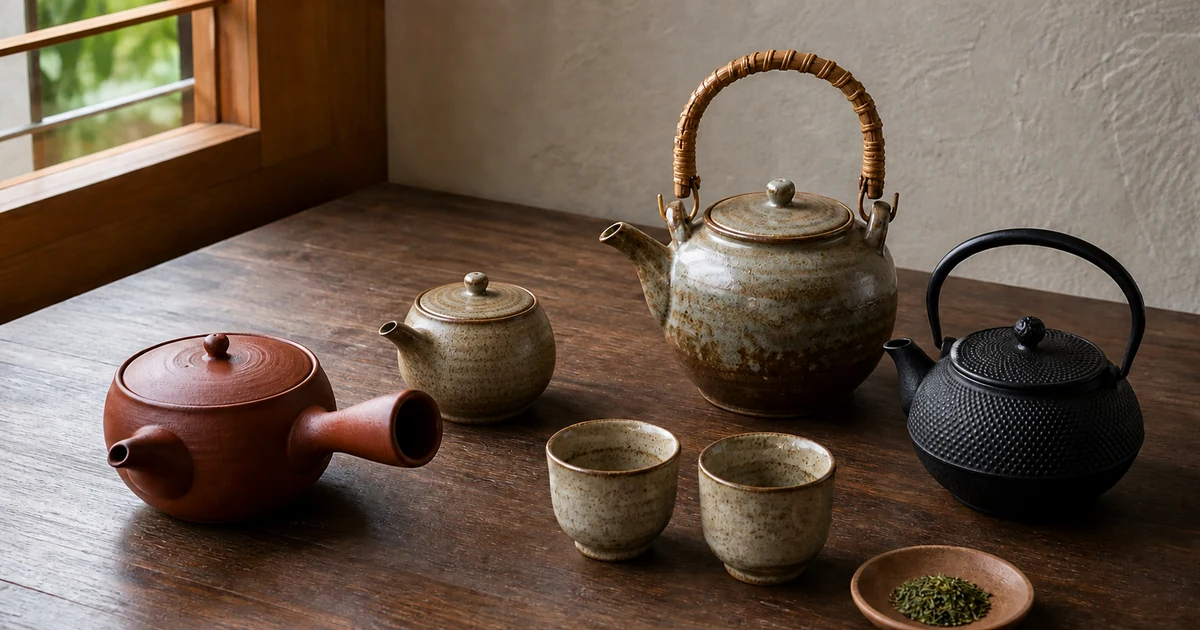
Japanese teapot types arranged on a wooden table, including a kyusu, hohin, dobin, and cast-iron teapot

Find the Japanese teapot you will reach for every day. Compare kyusu, hohin, dobin, and cast iron by tea, capacity, filter, and pouring style—and avoid buying the wrong pot.
Categories Kitchen Tools Tags dobin, hohin, Japanese Tea, Japanese teapot, kyusu, Nambu Tekki, shiboridashi

Sunagimo Yakitori: Why Chicken Gizzard Has Its Crisp Bite

September 20, 2026August 27, 2026 by Hiro
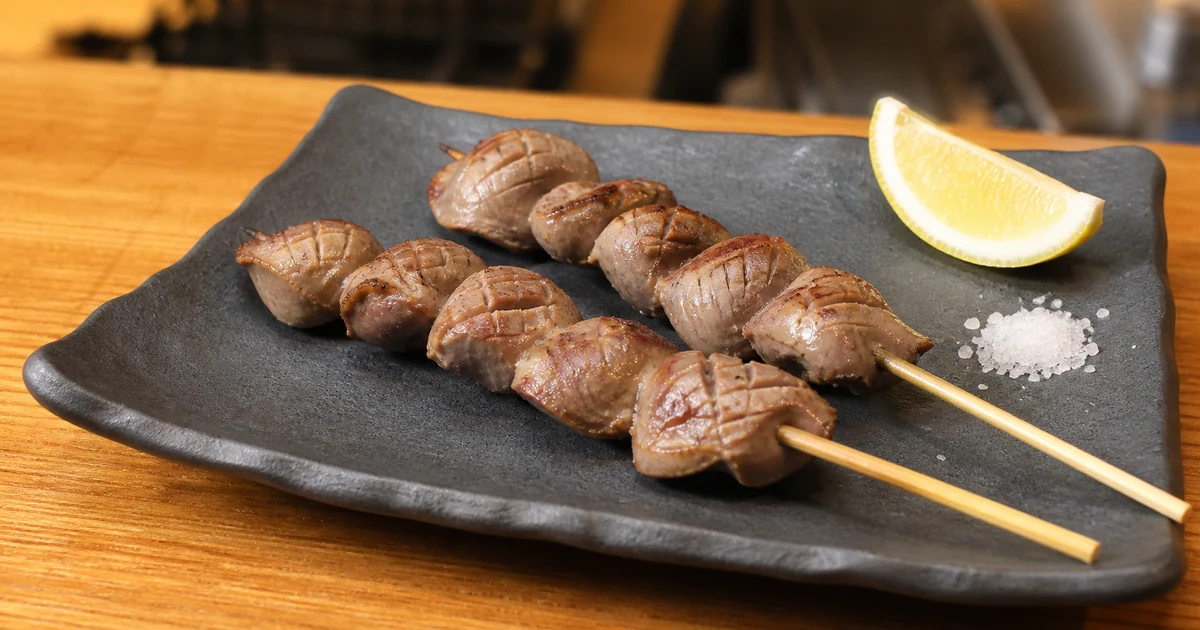
Two skewers of grilled chicken gizzard yakitori served with salt and lemon

Sunagimo looks simple, but its texture depends on exact knife work and a narrow grilling window. Learn how gizzard is trimmed, scored, skewered, and judged at the fire.

Categories Yakitori Tags Chicken Gizzard, Japanese Food, Sunagimo, Yakitori, Yakitori Cuts

Hatsu Yakitori: How Chicken Heart Is Trimmed, Grilled, and Ordered

September 19, 2026August 27, 2026 by Hiro
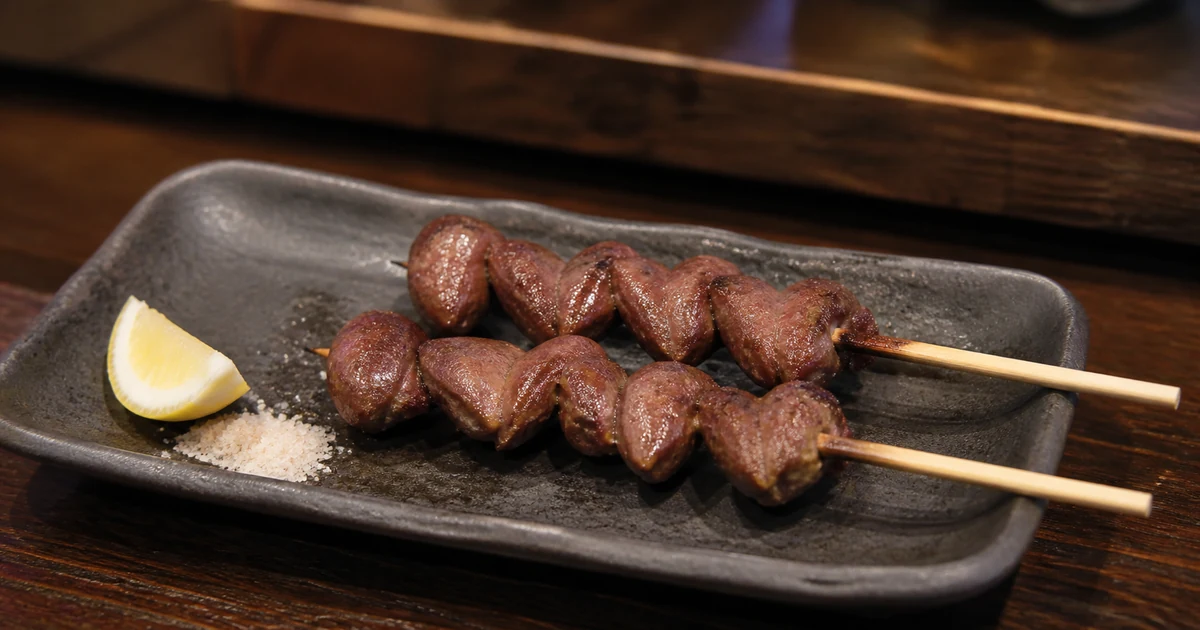
Two skewers of grilled chicken heart yakitori served with salt and lemon

Hatsu yakitori is grilled chicken heart with a firm, springy texture and relatively mild flavor. Learn how it is prepared, seasoned, and ordered in Japan.

Categories Yakitori Tags Chicken Heart, Hatsu, Japanese Food, Yakitori, Yakitori Cuts

Umeboshi Explained: Flavor, Types, and How Japan Uses Them

September 8, 2026August 27, 2026 by Hiro
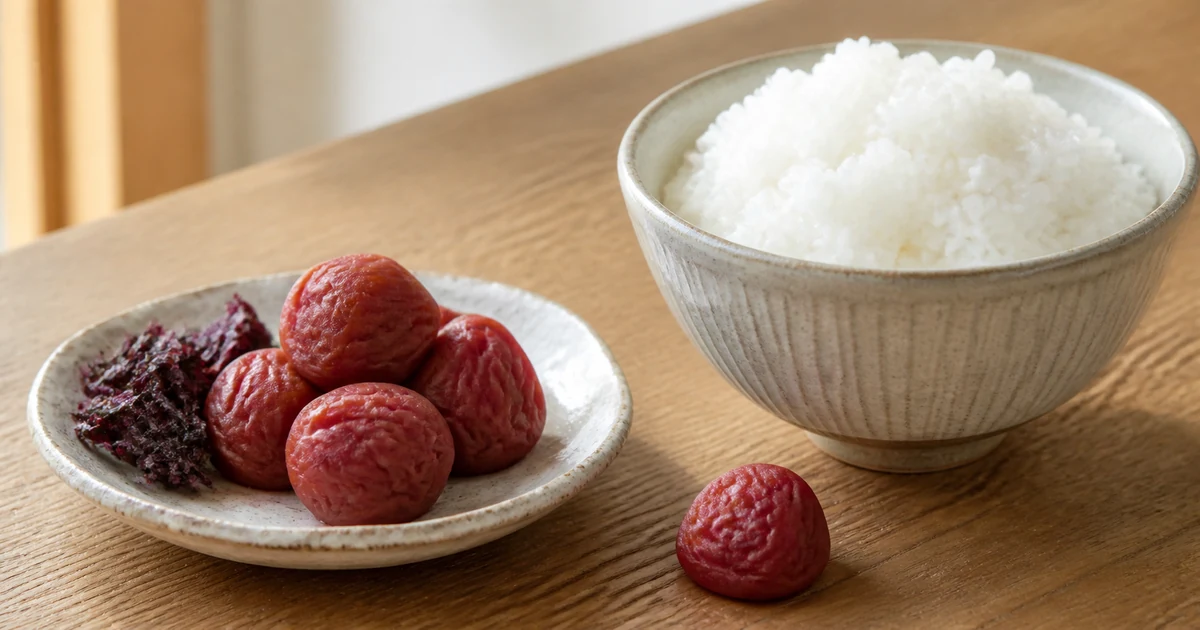
Red shiso umeboshi served with a bowl of Japanese white rice

Umeboshi is intensely tart and salty preserved ume. Learn how it is made, how common types differ, how people eat it in Japan, and how to choose a product.

Categories Japanese Ingredients Tags Japanese Ingredients, Japanese Pickles, Tsukemono, Ume, Umeboshi

Japanese Tea Types Explained: Sencha, Matcha, Gyokuro, Hojicha, and More

September 8, 2026August 26, 2026 by Hiro
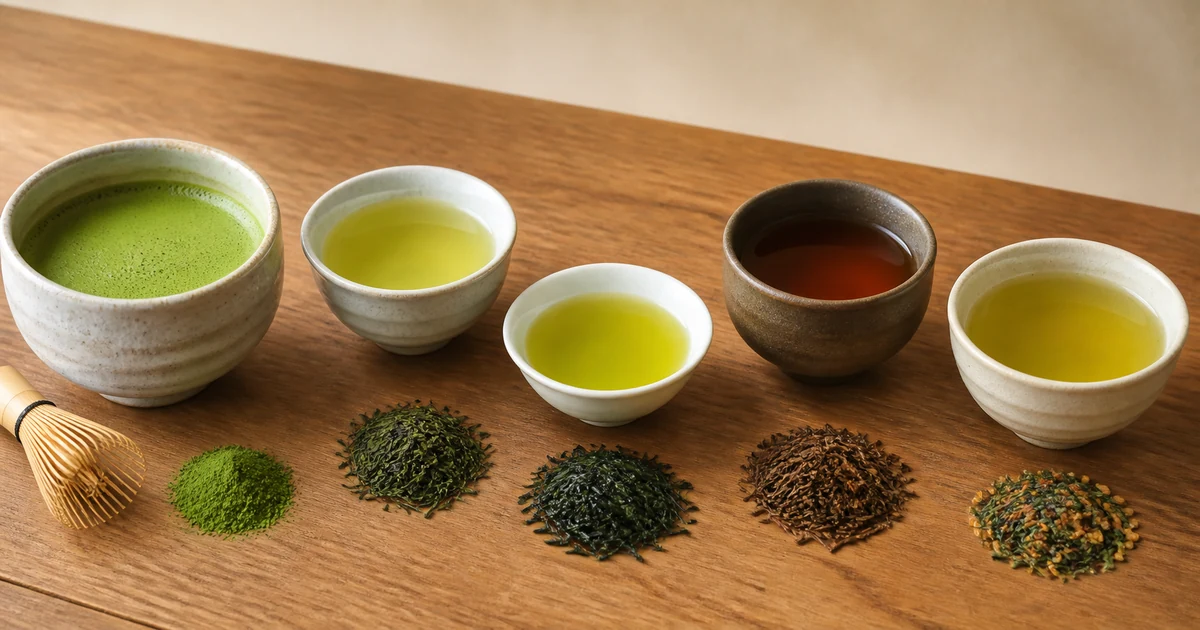
Matcha, sencha, gyokuro, hojicha, and genmaicha with their dry tea leaves on a wooden table

Japanese tea includes far more than matcha. Compare sencha, gyokuro, hojicha, genmaicha, bancha, kukicha, and other major styles by production, taste, appearance, and brewing method.

Categories Japanese Food Culture Tags Green Tea, Gyokuro, Hojicha, Japanese Tea, Matcha, Sencha

Japanese Whetstone Guide: Grit, Soaking, and How to Choose

September 12, 2026August 26, 2026 by Hiro
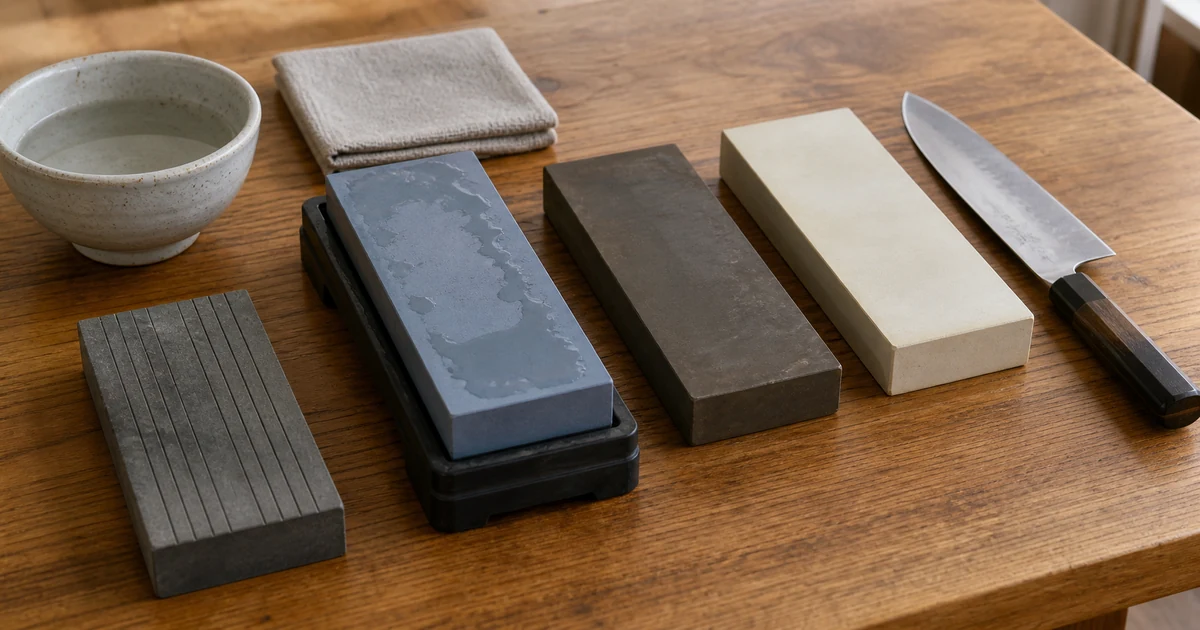
Japanese water stones in coarse, medium, and fine grits with a flattening stone and chef’s knife

Choose the right Japanese whetstone without building an excessive kit. Compare #1000 and combination stones, soaking styles, flattening tools, and travel-friendly setups.

Categories Kitchen Tools Tags Japanese Knives, Japanese Whetstones, Kitchen Tools, Knife Care, Knife Sharpening

Wasabi vs. Karashi vs. Mustard: What’s the Difference?

September 8, 2026August 26, 2026 by Hiro
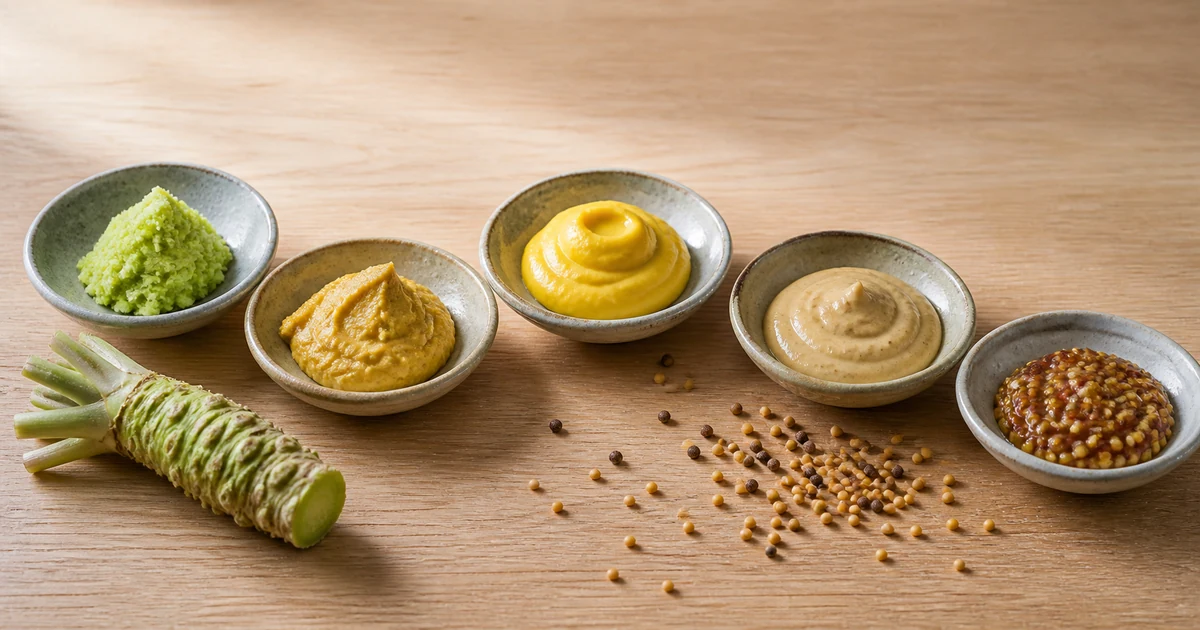
Fresh wasabi, Japanese karashi, yellow mustard, Dijon, and whole-grain mustard in small ceramic dishes

Wasabi, Japanese karashi, and Western-style mustards can all taste pungent, but they come from different plant parts and suit different foods. Compare their flavor, heat, ingredients, uses, and substitutions.

Categories Japanese Ingredients Tags Japanese Condiments, Japanese Mustard, Karashi, Mustard, Wasabi

Momo Yakitori: Why the Simplest Skewer Exposes the Cook’s Skill

September 19, 2026August 26, 2026 by Hiro
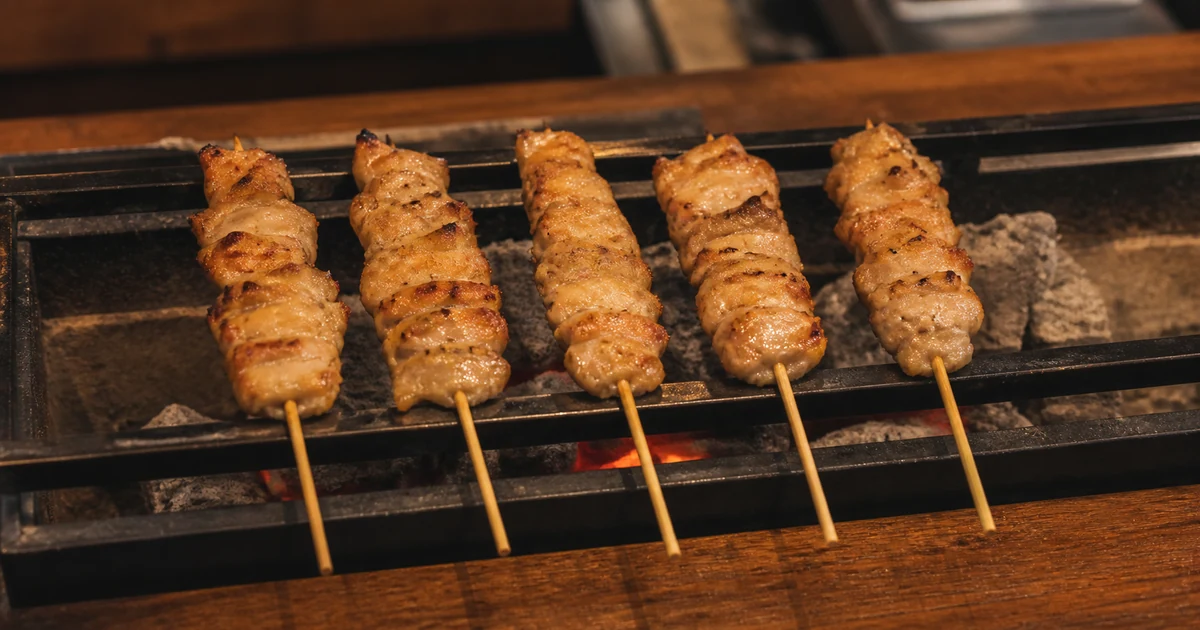
Five momo yakitori chicken thigh skewers grilling over charcoal

Momo yakitori may look simple, but chicken thigh exposes every decision at the grill. A yakitori cook explains thickness, skin and fat, skewer balance, flare-ups, salt, and the signals behind a juicy, safely cooked skewer.

Categories Yakitori Tags Chicken Thigh, Japanese Grilled Chicken, Momo Yakitori, Yakitori, Yakitori Cuts

Yakitori Tare vs. Shio: Which Seasoning Should You Choose?

September 8, 2026August 26, 2026 by Hiro
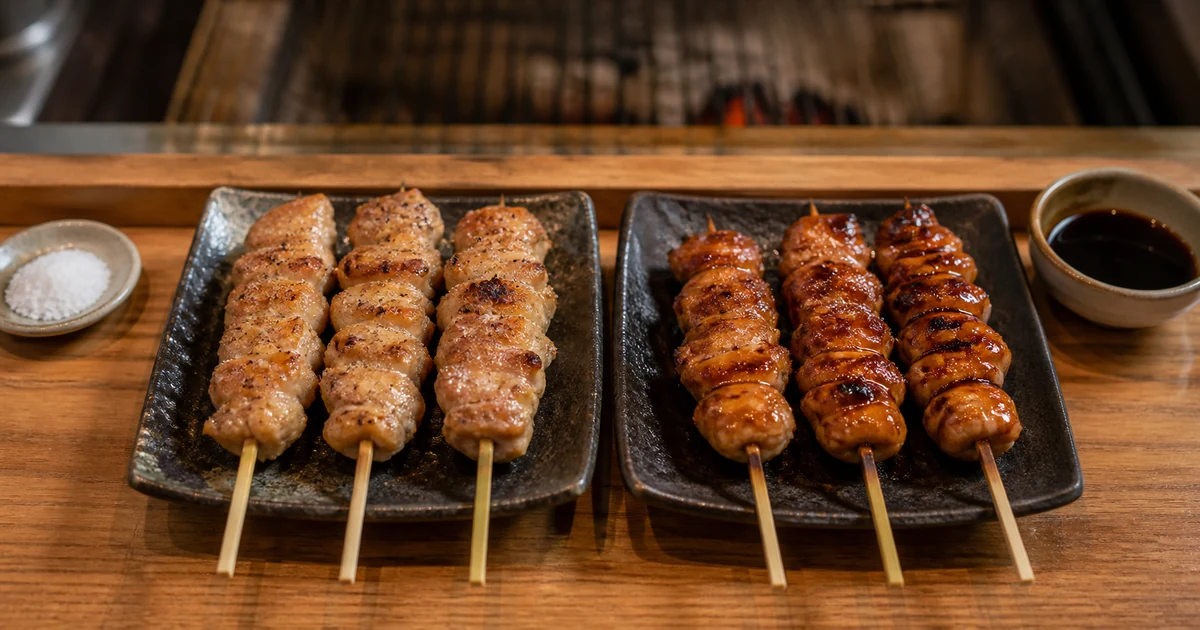
Shio and tare chicken yakitori skewers served side by side at a Japanese grill

Tare gives yakitori a glossy, savory-sweet coating, while shio keeps the flavor direct and salt-forward. Learn how the seasonings differ, which skewers suit each, and how to order them in Japan.

Categories Yakitori Tags Japanese Dining, Japanese Grilled Chicken, Shio Yakitori, Yakitori, Yakitori Tare

Japanese Cutting Board Guide: Hinoki, Rubber, and Synthetic Boards

September 8, 2026August 26, 2026 by Hiro
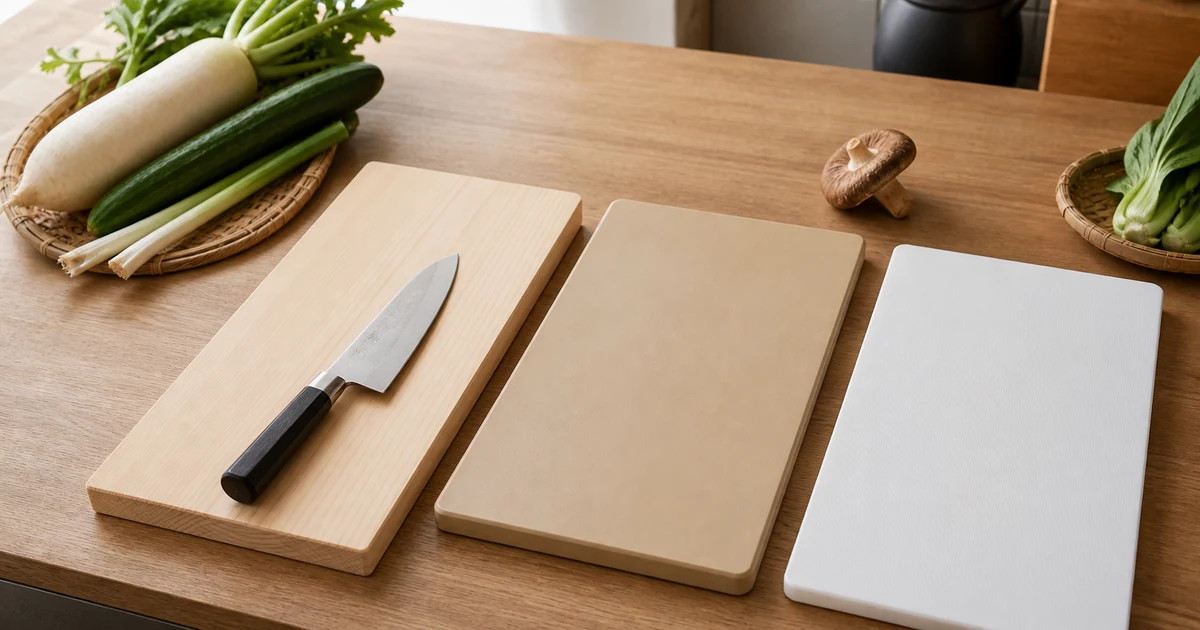
Hinoki, synthetic rubber, and plastic Japanese cutting boards with a santoku knife on a kitchen counter

Hinoki, synthetic rubber, and plastic cutting boards differ in feel, weight, maintenance, and price. This guide explains the tradeoffs and how to choose a practical board for Japanese knives.

Categories Kitchen Tools Tags Hinoki Cutting Board, Japanese Cutting Boards, Japanese Kitchen Tools, Knife Care, Rubber Cutting Board
Older posts
Newer posts
← Previous Page1 Page2 Page3 Page4 … Page9 Next →

Clear, practical guides to Japanese food, ingredients, culture, and dining.

Information

  • About
  • Contact
  • Privacy Policy
  • Affiliate Disclosure

Explore

  • Sushi
  • Japanese Ingredients
  • Japanese Food Culture
  • Yakitori
  • Kitchen Tools