Bento in Japan: Types, Traditions, and Everyday Etiquette
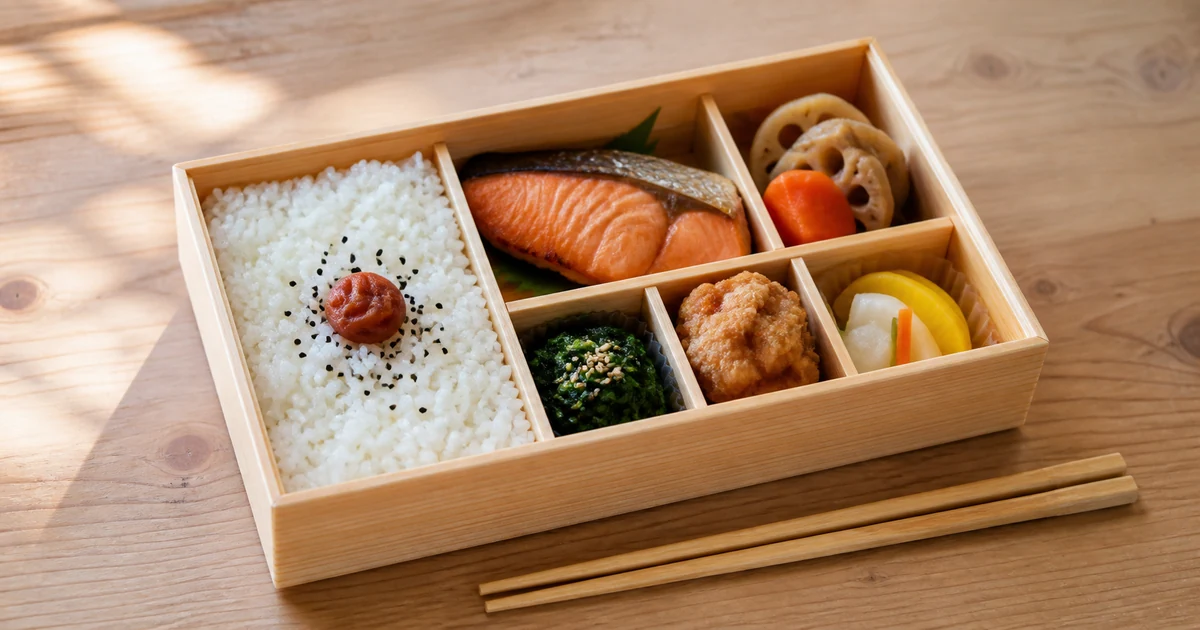
Bento is a portable Japanese meal packed into a compact container. Learn about homemade bento, ekiben, makunouchi, common foods, buying tips, etiquette, and safe storage.
Bento is a portable Japanese meal packed into a compact container. Learn about homemade bento, ekiben, makunouchi, common foods, buying tips, etiquette, and safe storage.
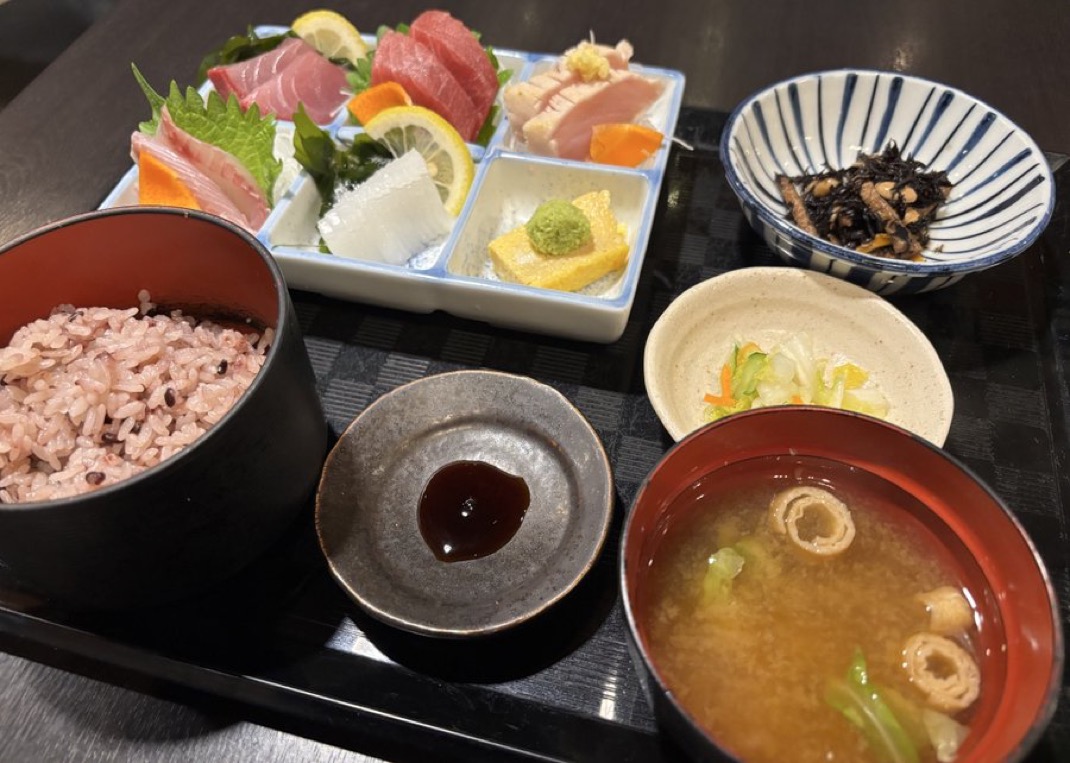
Teishoku is a Japanese set meal that commonly combines rice, soup, a main dish, and smaller sides. Learn what to expect, how to order, and how it differs from other Japanese meal formats.
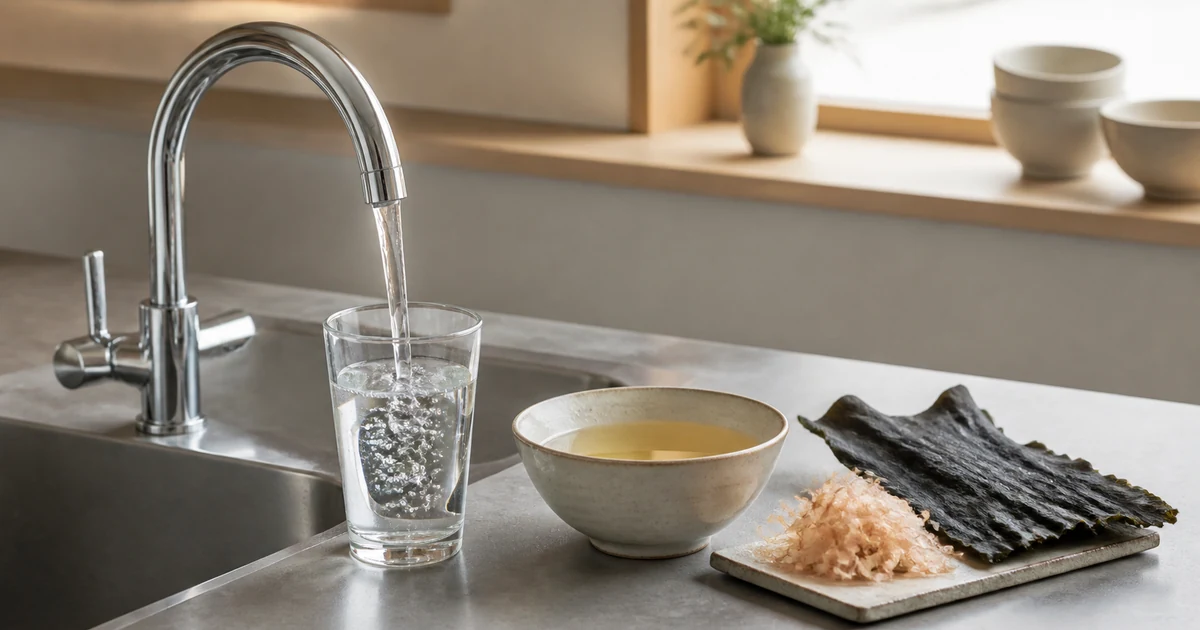
Japan’s tap water is generally safe, but water source, building systems, local advisories, and mineral composition still matter. A cook explains the practical answer—and a costly dashi mistake.
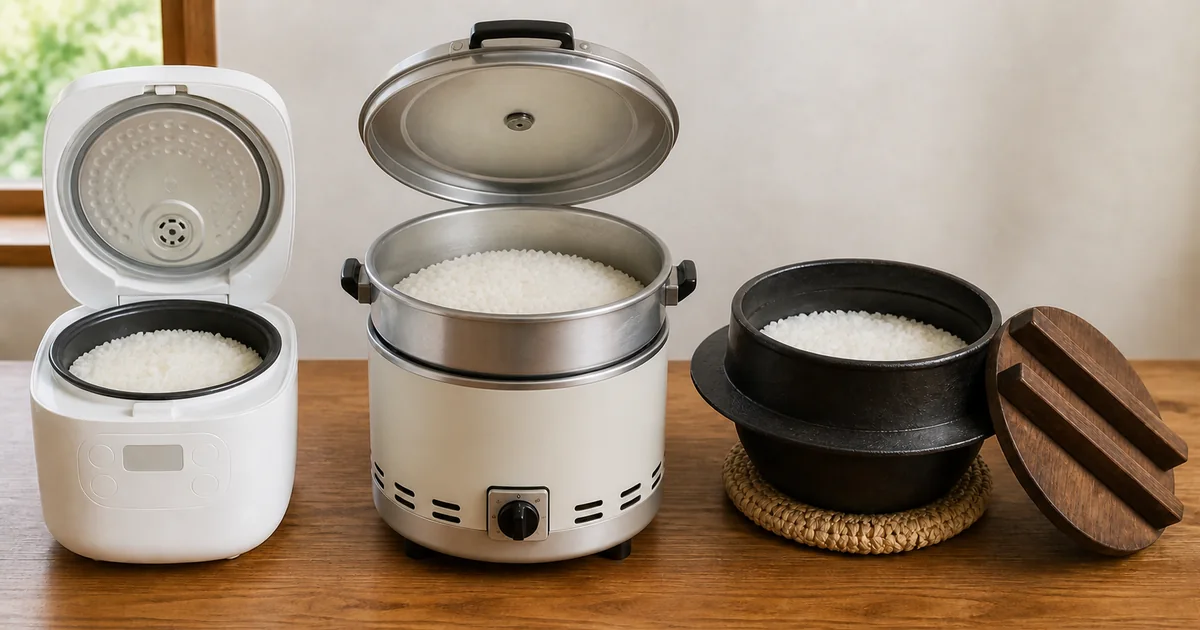
Electric, gas, and hagama cookers do not produce one fixed texture. A Japanese cook compares their control, speed, capacity, upkeep, and real-world failure points.
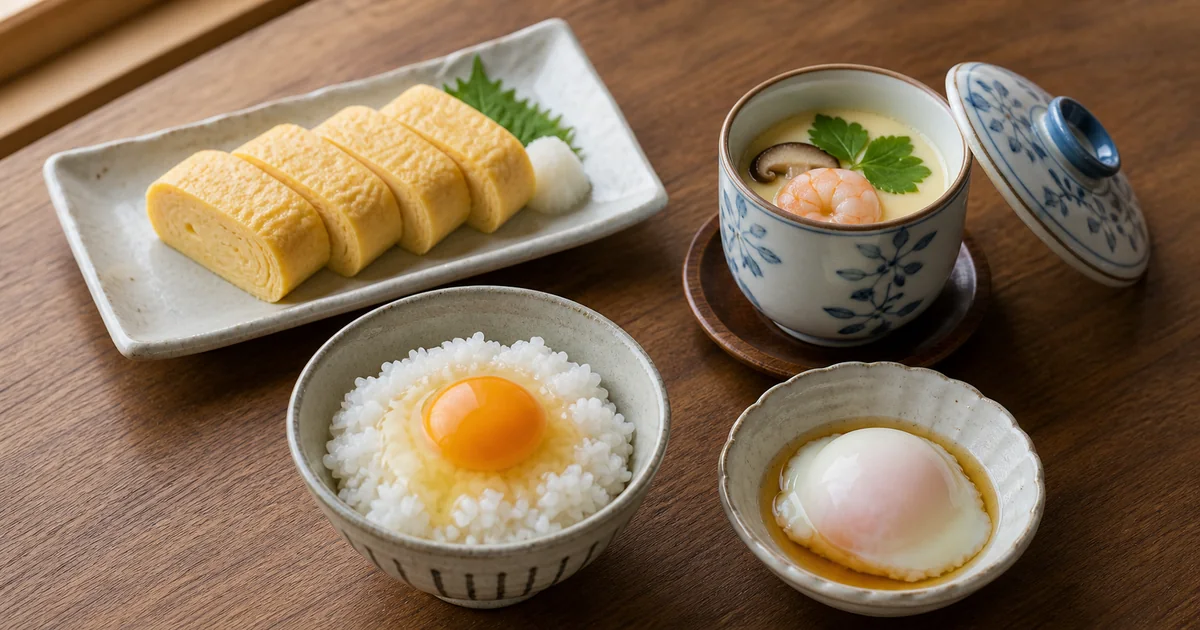
Explore eight Japanese egg dishes and compare their flavors, textures, cooking styles, and where you are likely to encounter them in Japan.
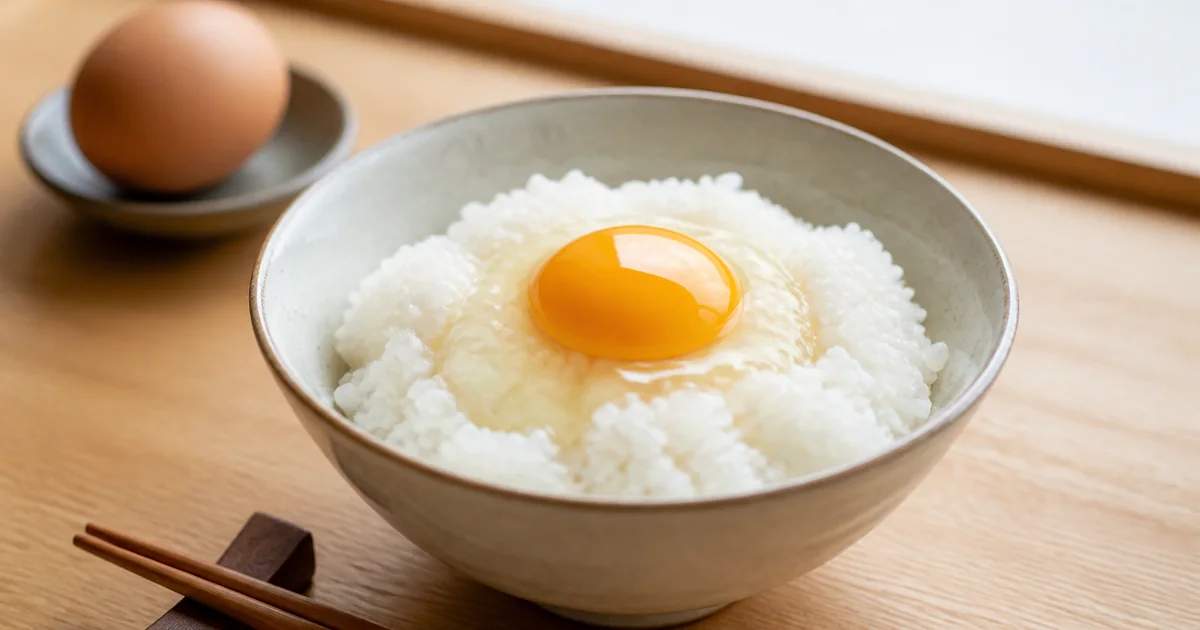
Raw eggs are widely eaten in Japan, but the risk is not zero. Learn how to read egg labels, store and handle eggs, and decide when to choose cooked eggs.
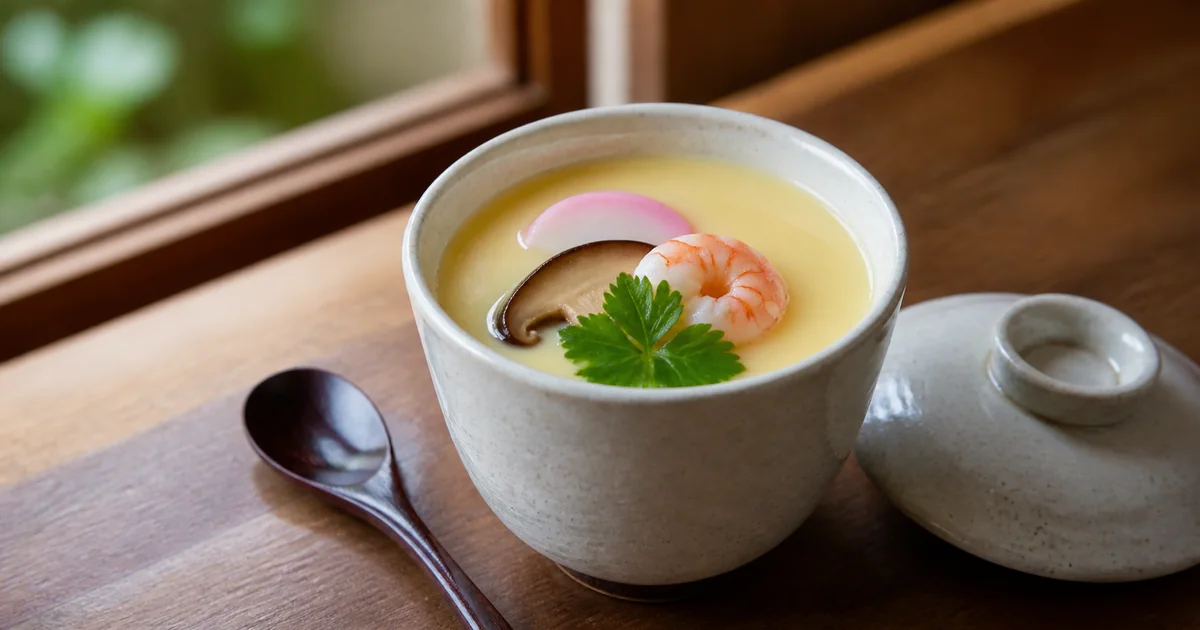
Chawanmushi is a silky Japanese steamed egg custard flavored with dashi. Learn about its savory taste, common ingredients, texture, and how to eat it.
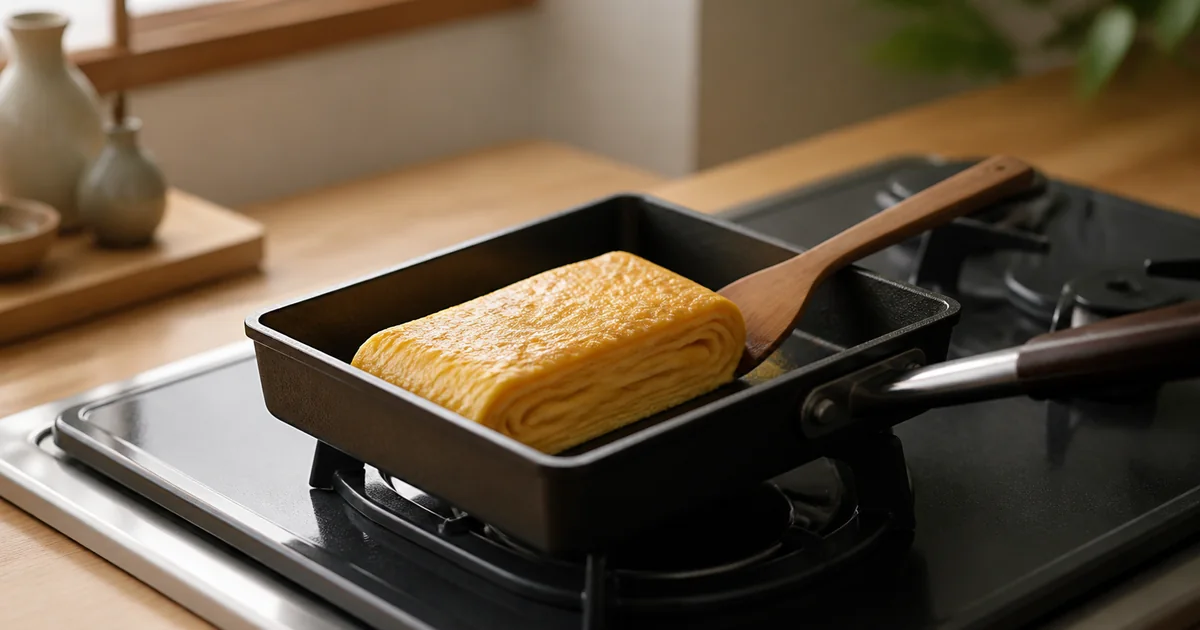
A tamagoyaki pan is a square or rectangular pan for Japanese rolled omelets. Compare shapes, materials, sizes, cooktops, and beginner-friendly options.
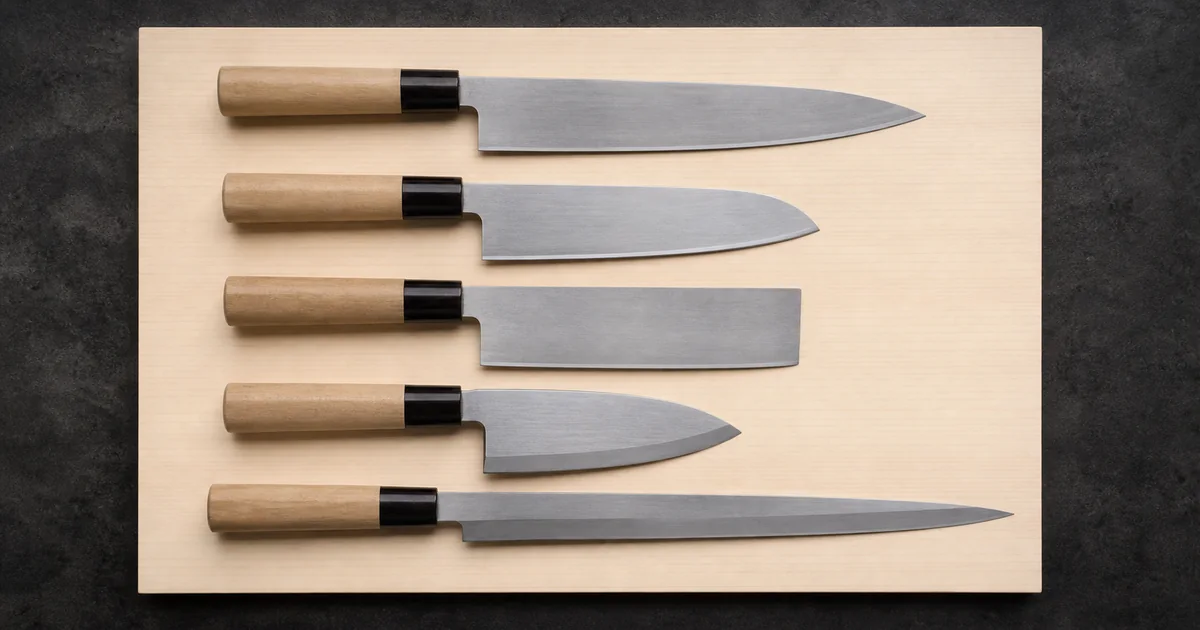
Gyuto, santoku, nakiri, deba, and yanagiba knives serve different jobs. Compare their shapes, uses, bevels, and suitability for beginners.
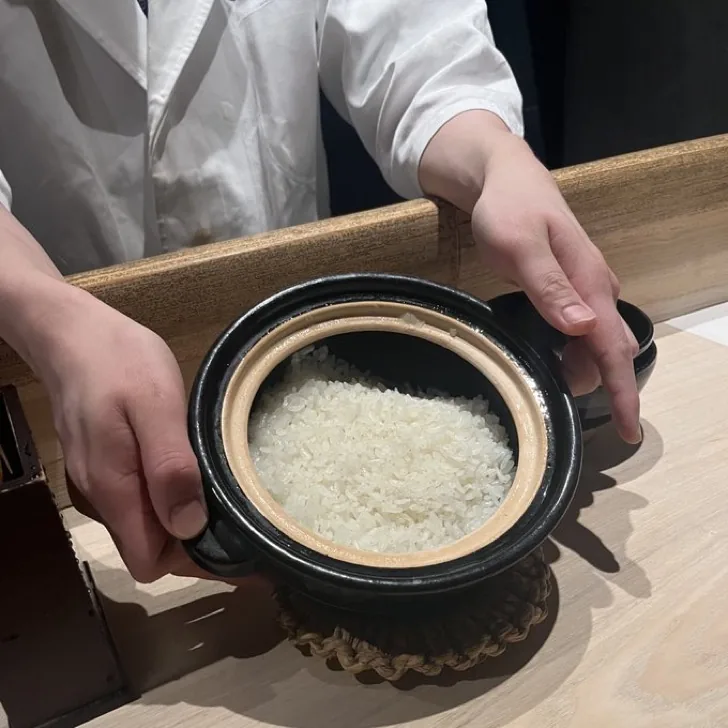
A donabe rewards attention but punishes assumptions. A Japanese cook explains rice texture, steam channels, okoge, seasoning, heat control, and two costly failures.