Sushi Rice Temperature: Why Chefs Adjust Shari for Different Fish
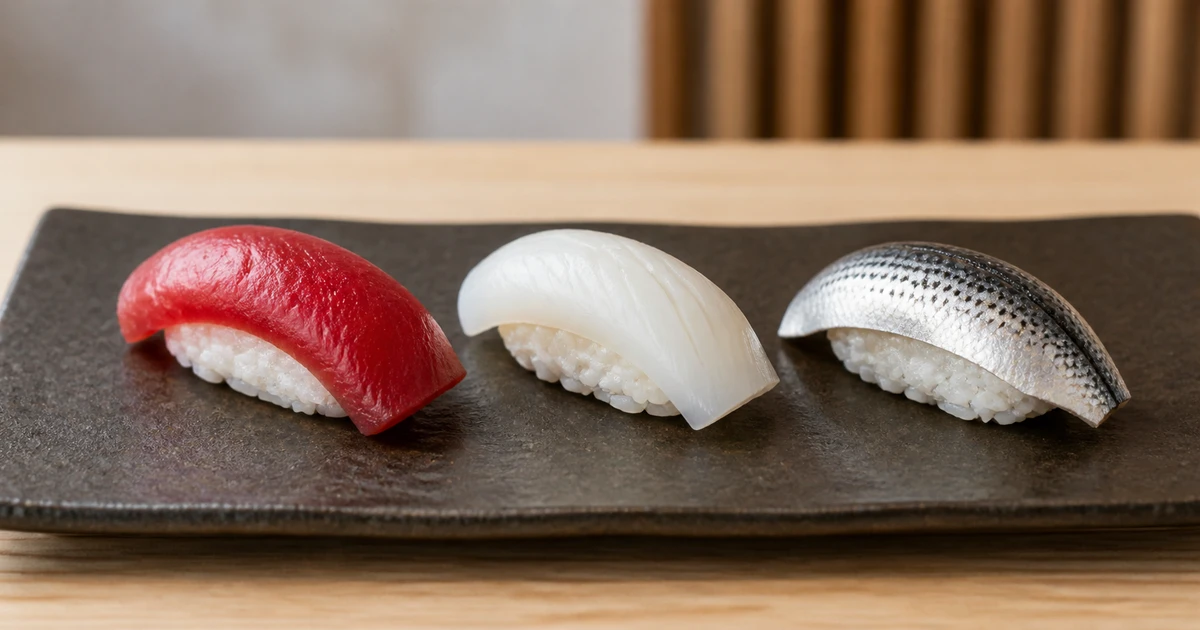
Sushi rice is not served at one fixed temperature for every topping. See how one counter uses slightly cooler or warmer shari to balance aroma, fat, and texture.
Sushi rice is not served at one fixed temperature for every topping. See how one counter uses slightly cooler or warmer shari to balance aroma, fat, and texture.
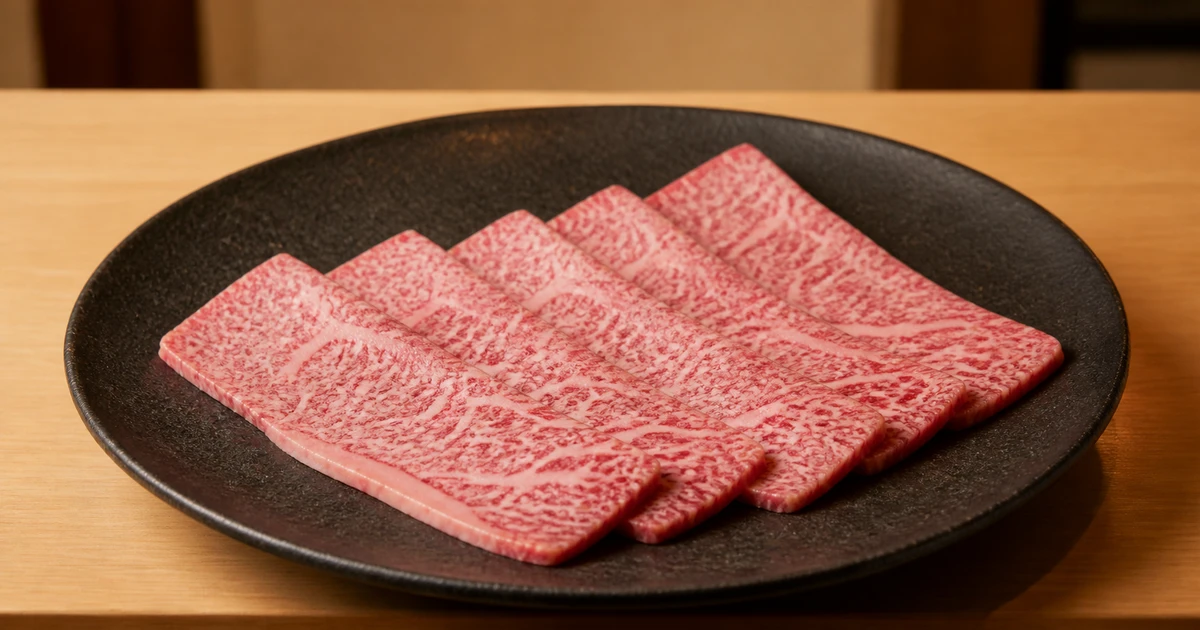
A5 is a Japanese carcass grade, not a breed or brand. Learn how yield, meat quality, and BMS are assessed—and why portion, cut, and cooking still shape the experience.
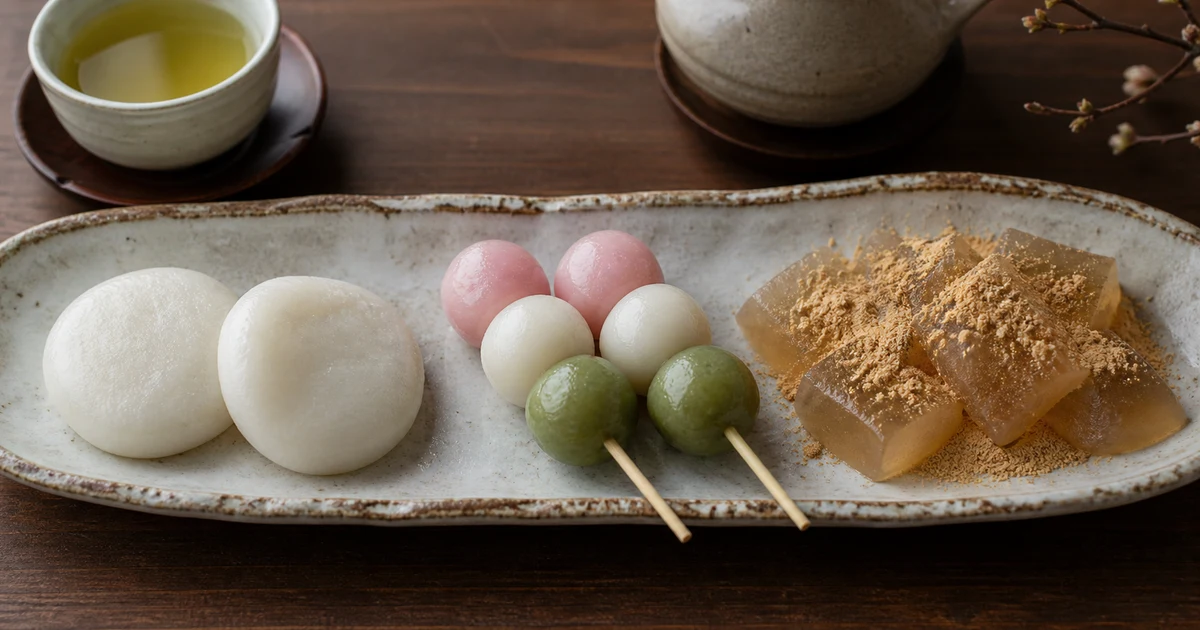
Mochi, dango, and warabi mochi may all look soft and chewy, but they are made differently. Compare pounded rice, rice-flour dumplings, filled daifuku, and cooling starch-based sweets.
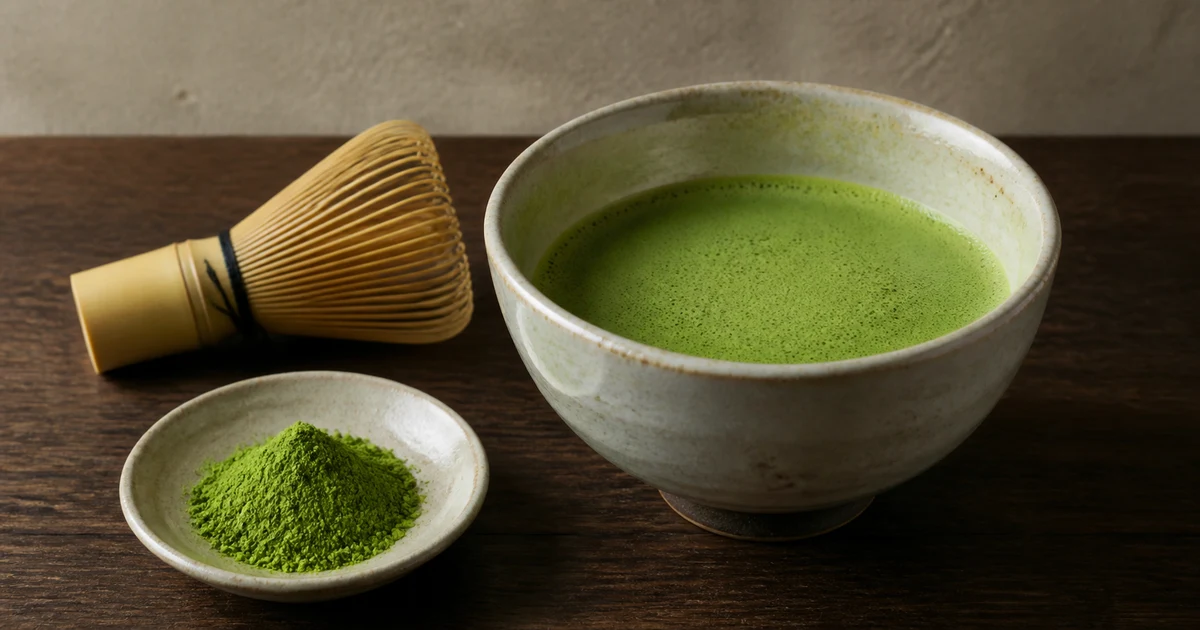
Matcha begins as shaded tencha rather than ordinary green tea powder. Follow its journey from the tea field to the bowl, then learn how to judge, choose, store, and whisk it.
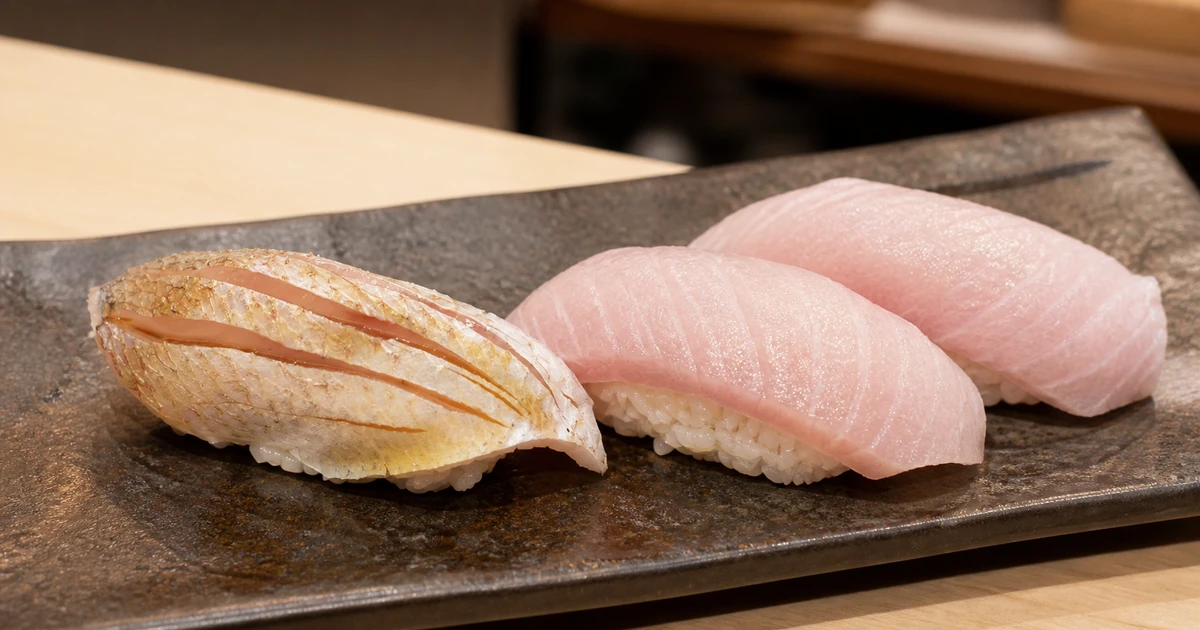
Seasonal sushi in Japan is more than a calendar of fish. Follow spring kasugo and winter buri from whole fish to nigiri, and learn why region, catch, and preparation matter.
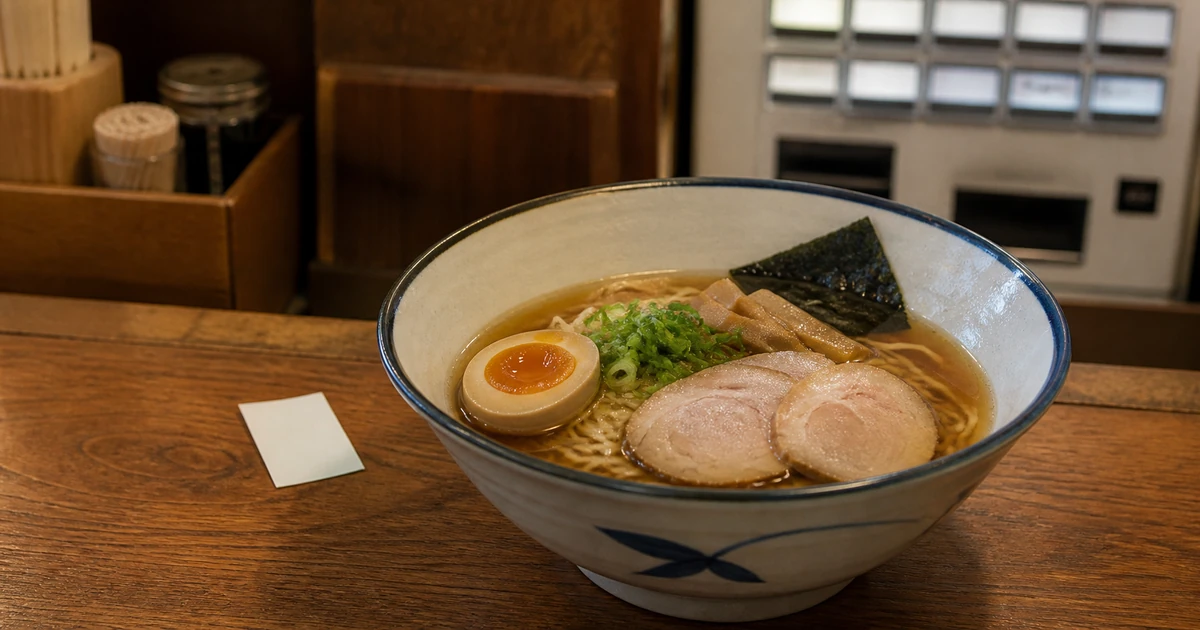
Ordering ramen in Japan can involve a ticket machine, a short line, and a few shop-specific choices. Follow the process from choosing a broth to leaving your seat.
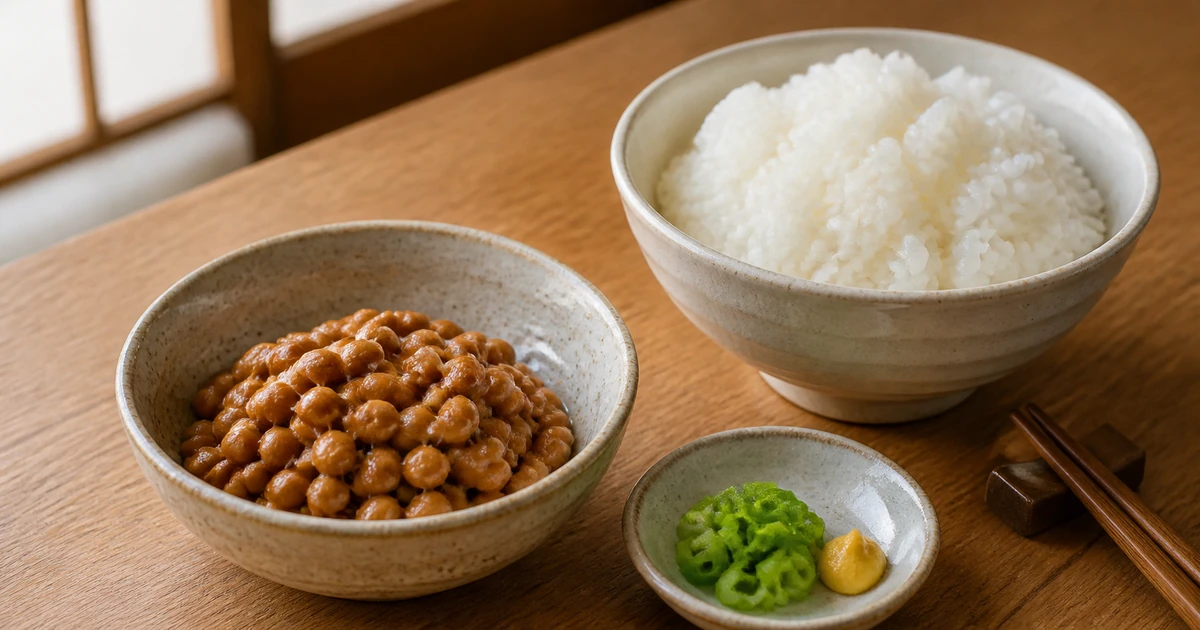
Natto is a familiar Japanese food made from fermented soybeans. Learn what it tastes like, how to prepare one pack, and how it is served with rice, tuna sashimi, and sushi rolls.
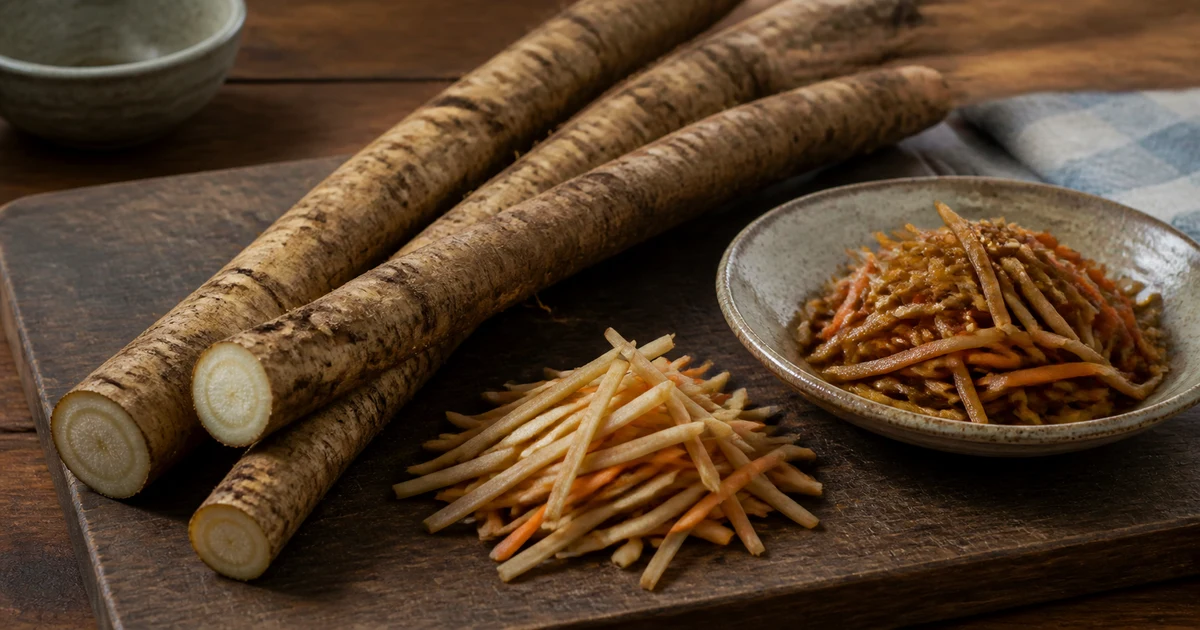
Gobo is burdock root eaten as an everyday vegetable in Japan. Learn what it tastes like, why preparation matters, and how it becomes kinpira, salad, tempura, pickles, and sushi rolls.
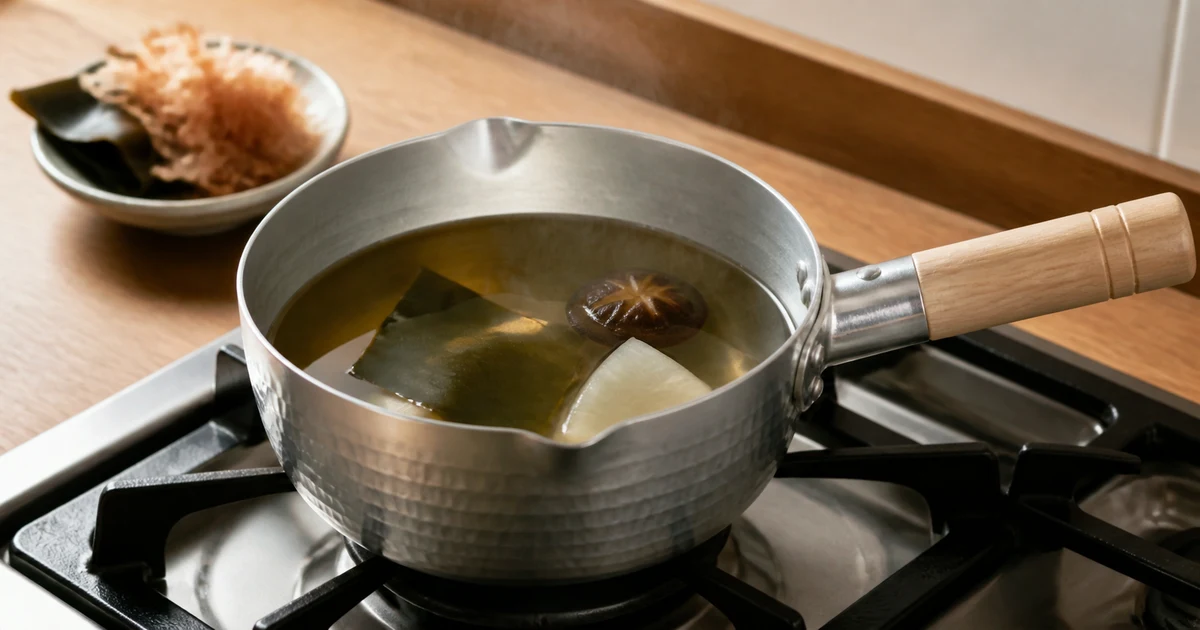
Discover why an 18 cm yukihira becomes an everyday favorite. Compare lightweight aluminum and induction-ready options, see how chefs use its professional relative, and choose a pan you will actually reach for.
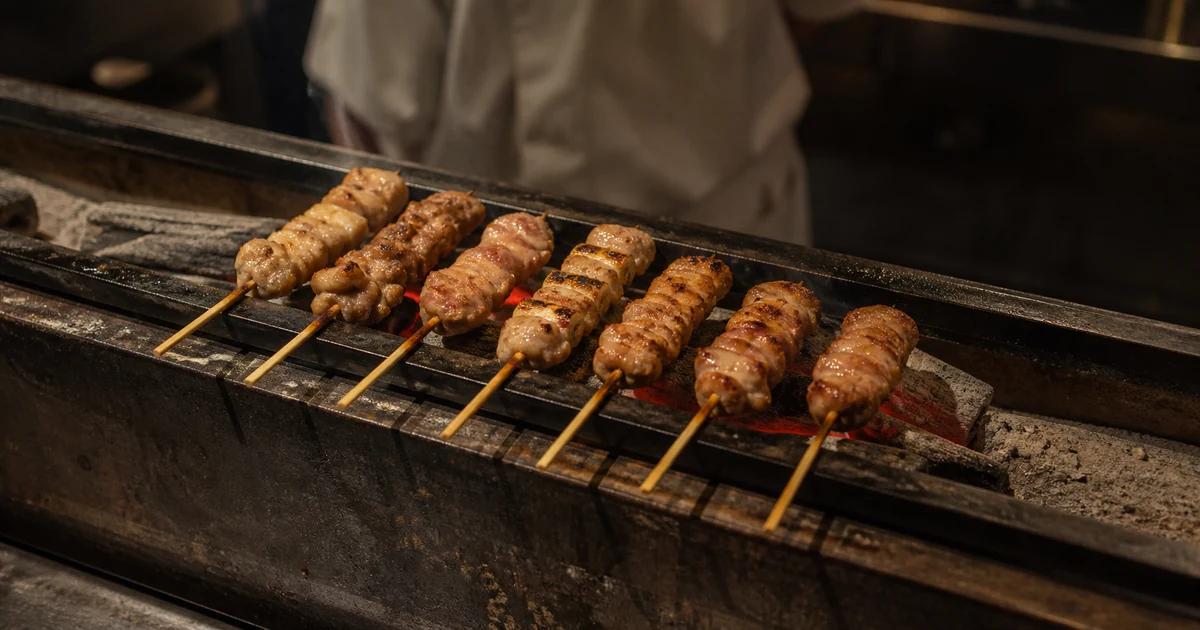
A yakitori grill must fit the skewers as well as the heat source. Compare narrow charcoal konro, portable shichirin, and gas grills, with practical notes from restaurant use and essential charcoal safety.