Uni Sushi: Taste, Grades, and How Chefs Judge Sea Urchin
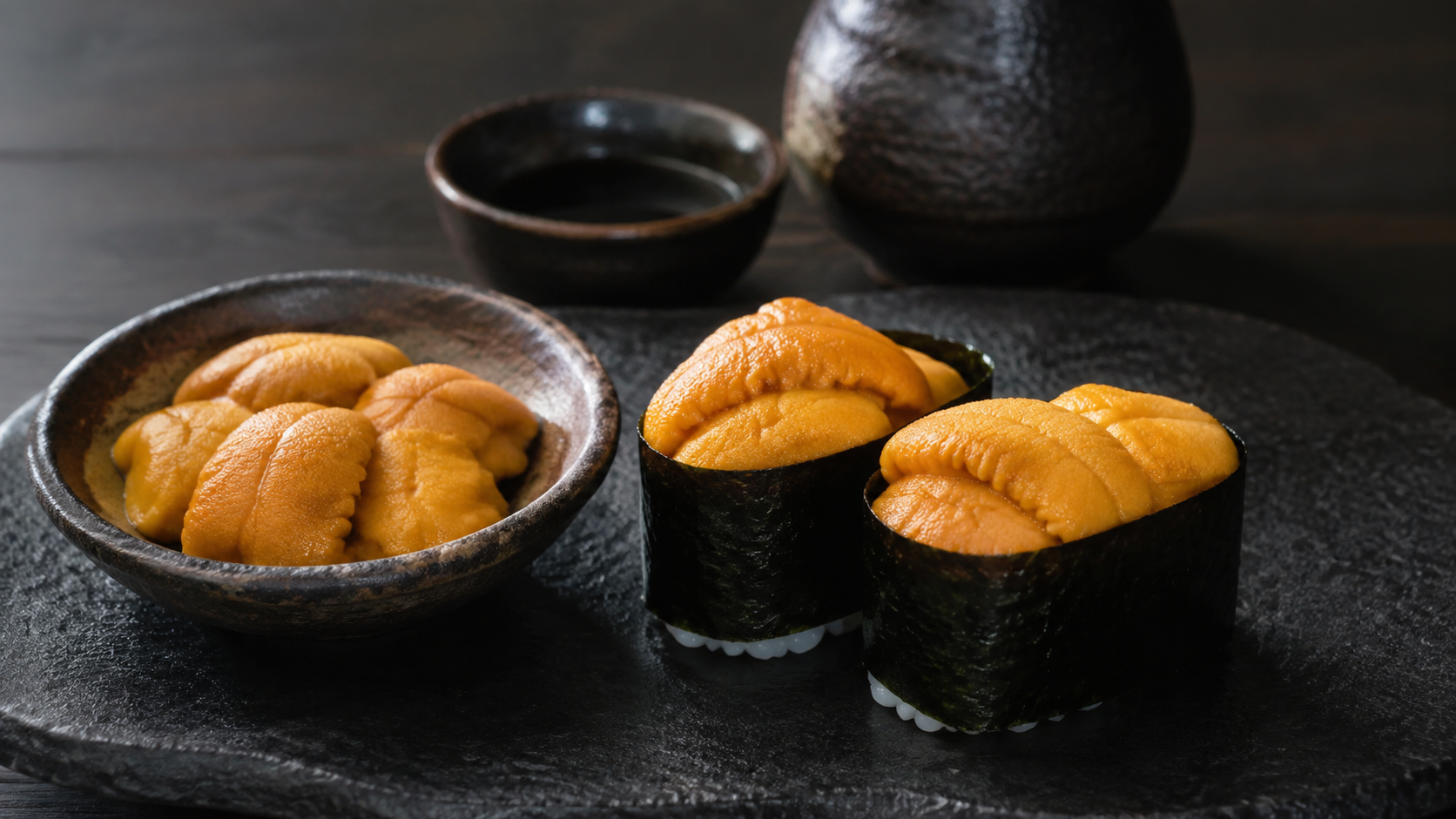
Uni is the edible gonad of sea urchin, prized for its creamy texture, natural sweetness, and umami. Learn about common types, processing, and sushi uses.
 Hiro
Uni is the edible gonad of sea urchin, prized for its creamy texture, natural sweetness, and umami. Learn about common types, processing, and sushi uses.
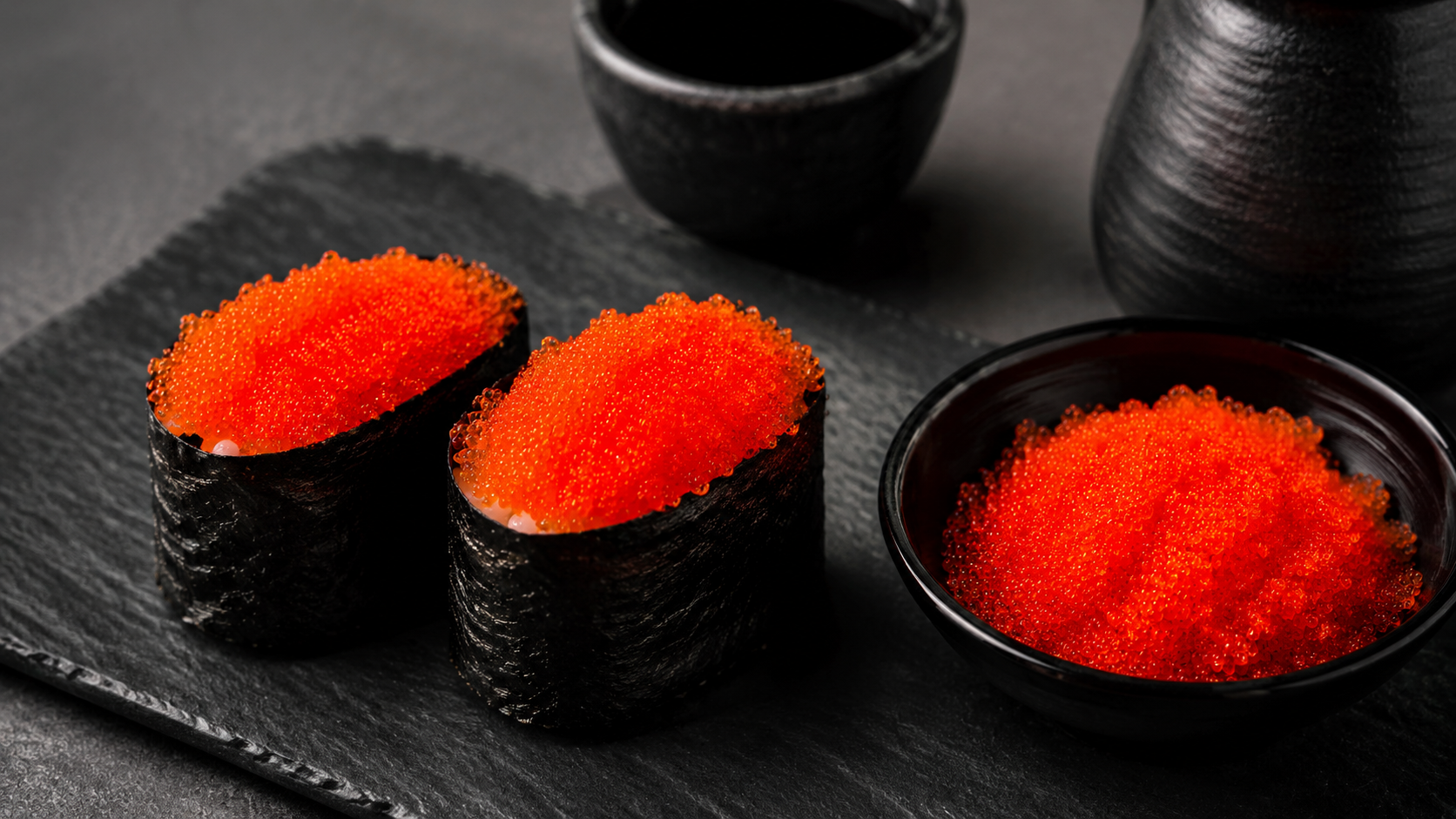
Tobiko is flying fish roe known for its bright color and crunchy pop. Learn how it tastes, how it differs from masago and ikura, and how it is used in sushi.
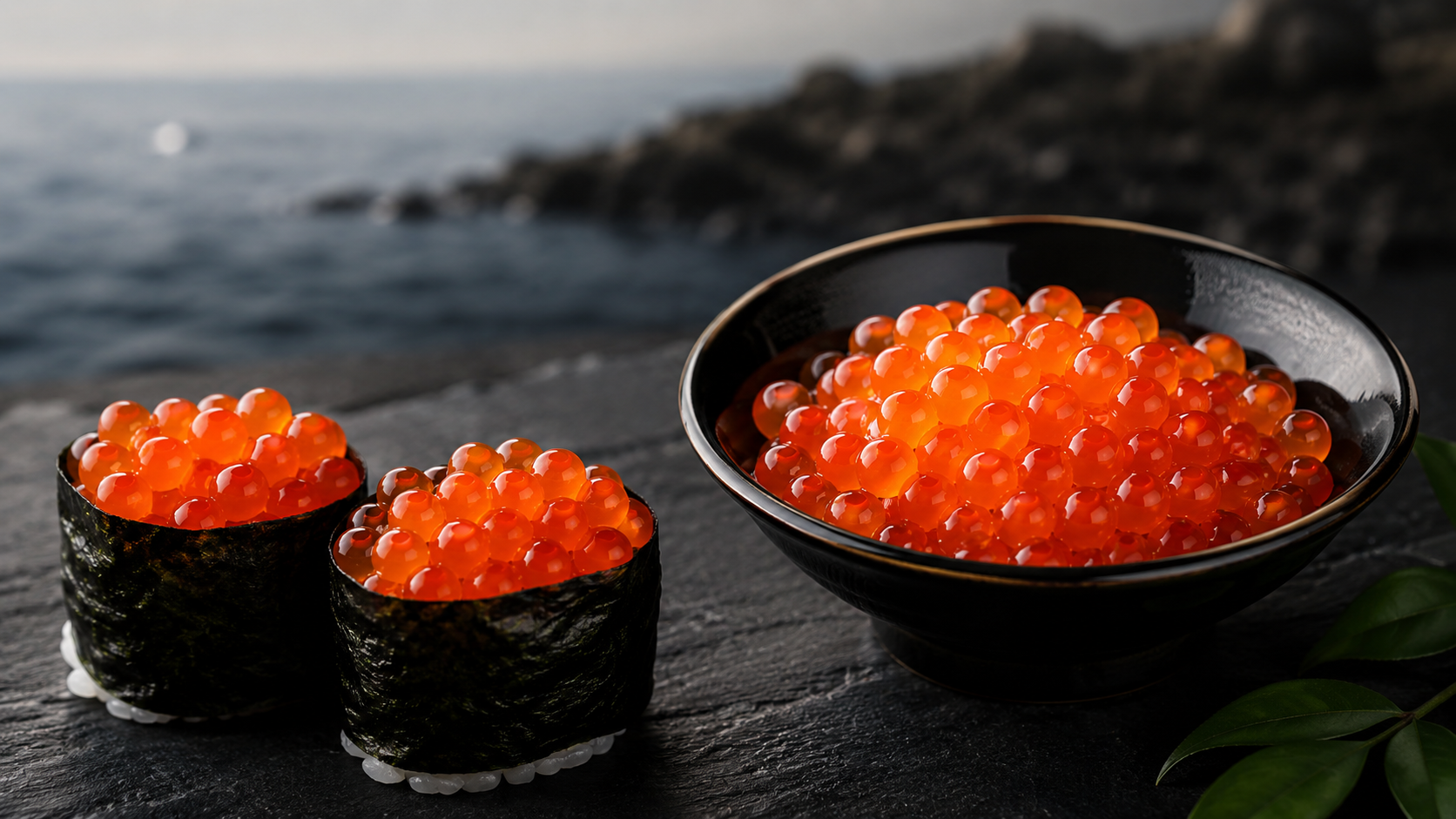
Ikura is Japanese salmon or trout roe known for its glossy appearance, savory flavor, and delicate pop. Learn how it differs from sujiko and how it is used in gunkan sushi, temaki, and rice bowls.
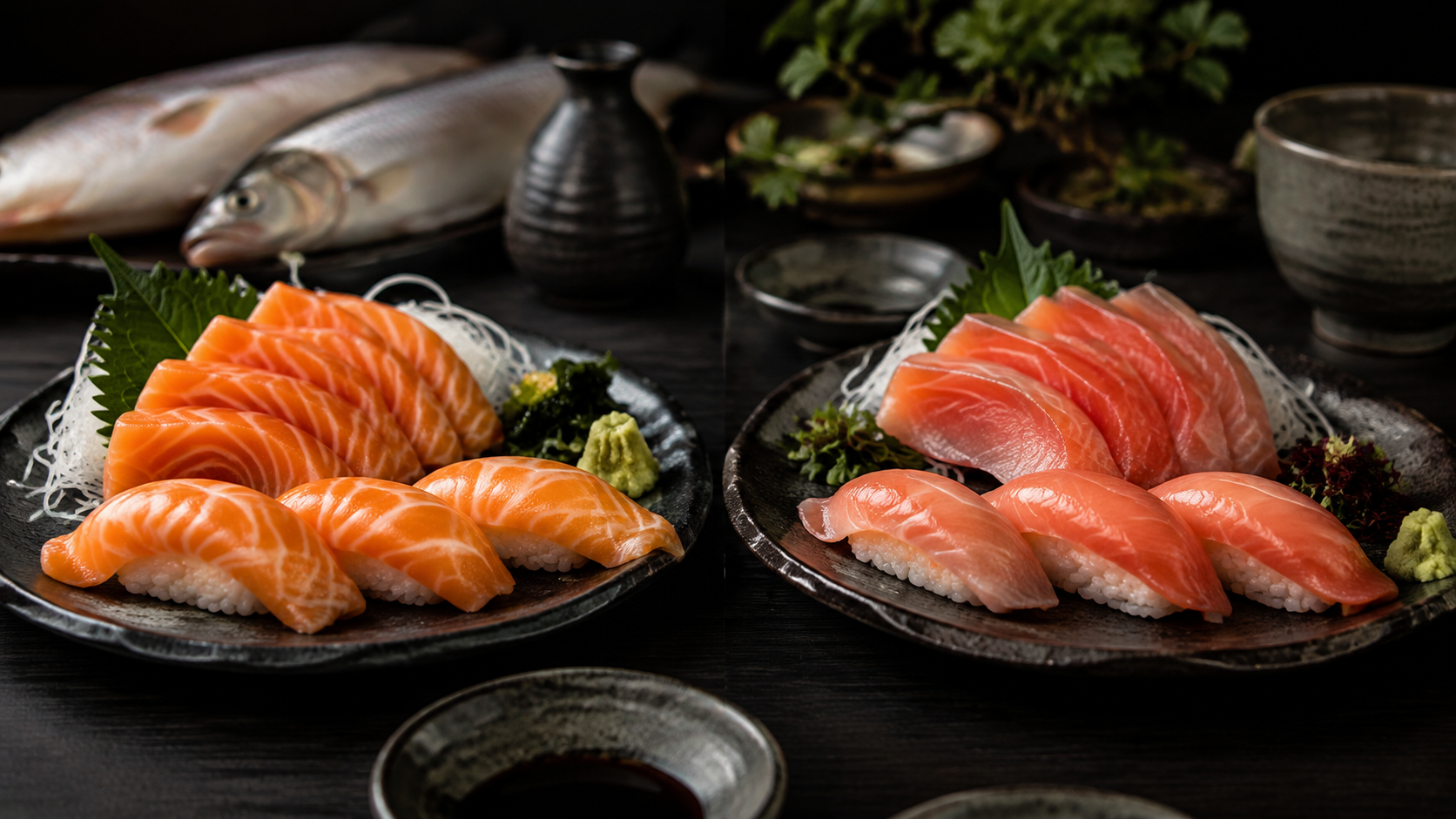
Salmon and trout are closely related, but their names and uses can be confusing in Japan. Learn how sake, masu, and trout salmon differ in sushi, flavor, labeling, and preparation.
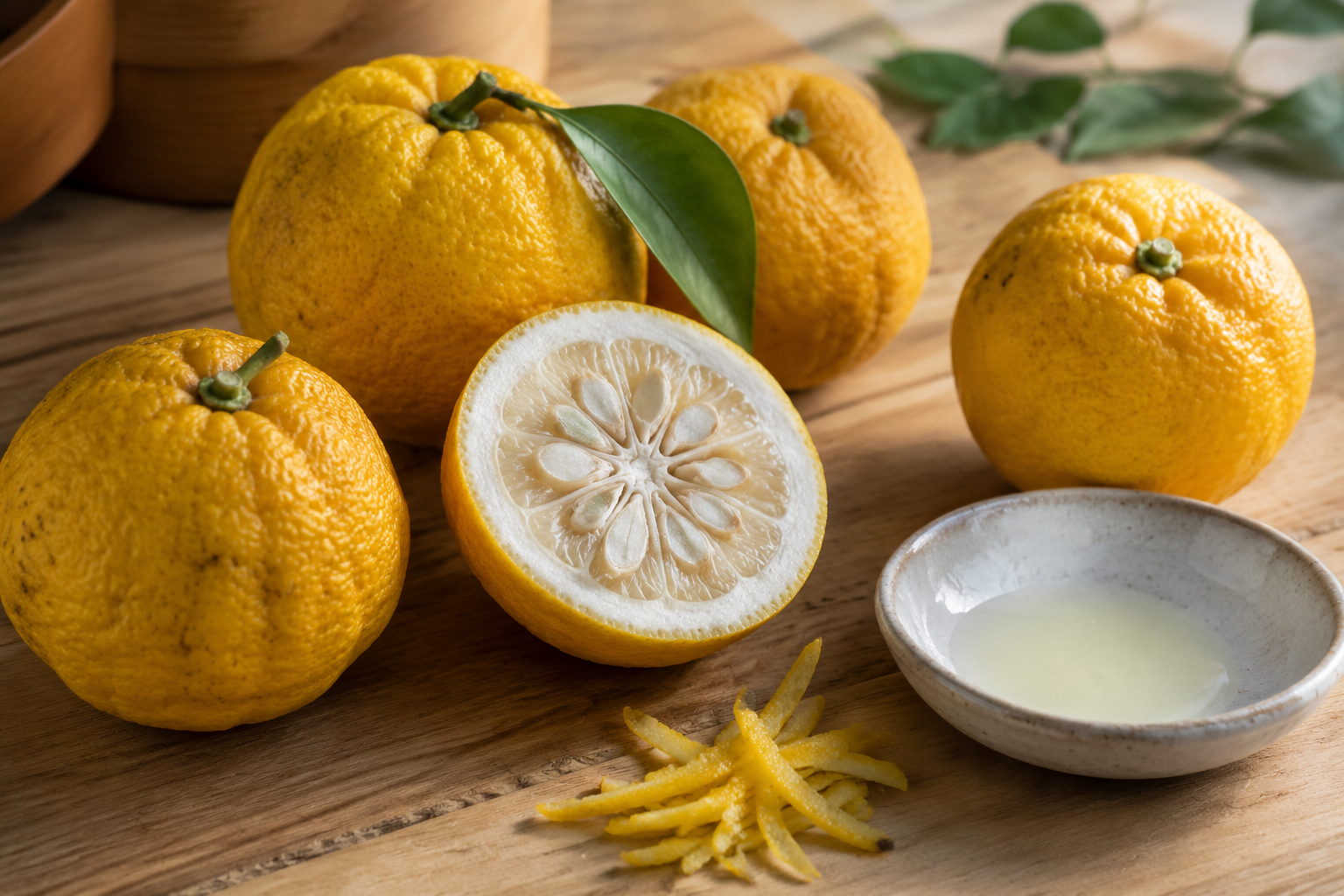
Yuzu is a highly aromatic citrus fruit used throughout Japanese cooking. Its juice is sharply tart, while its peel has a floral fragrance that can transform a clear soup, grilled fish, sauce, dessert, or drink with only a small amount. Unlike oranges and mandarins, fresh yuzu is rarely eaten by itself. The fruit contains relatively … Read more
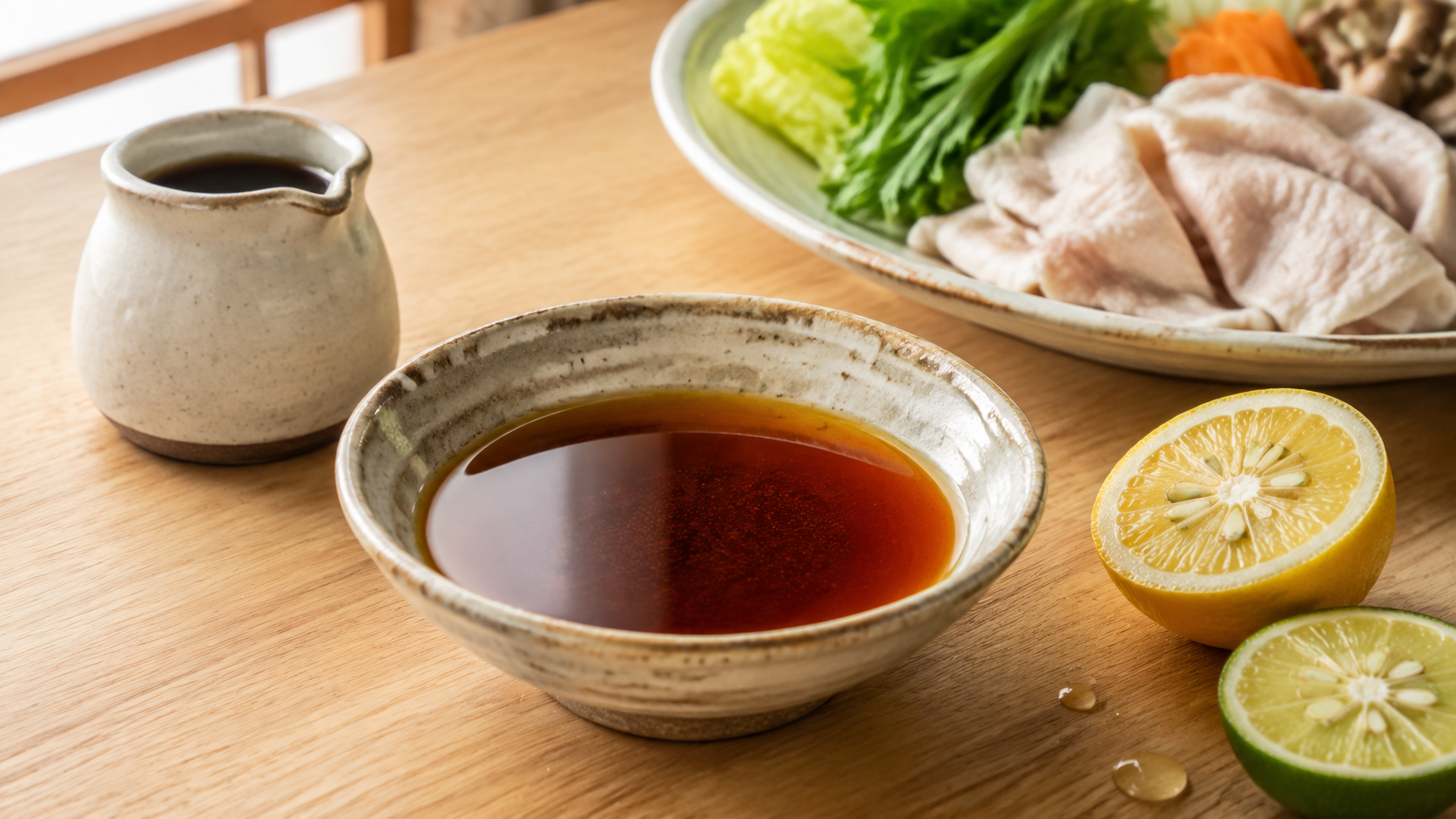
Ponzu is a Japanese citrus seasoning known for refreshing acidity and aroma. The version most commonly sold outside Japan is a dark, soy-based sauce used with hot pot, sashimi, dumplings, cold meat dishes, vegetables, and salads. However, the word ponzu does not always describe exactly the same product. In a narrow sense, ponzu is a light citrus … Read more
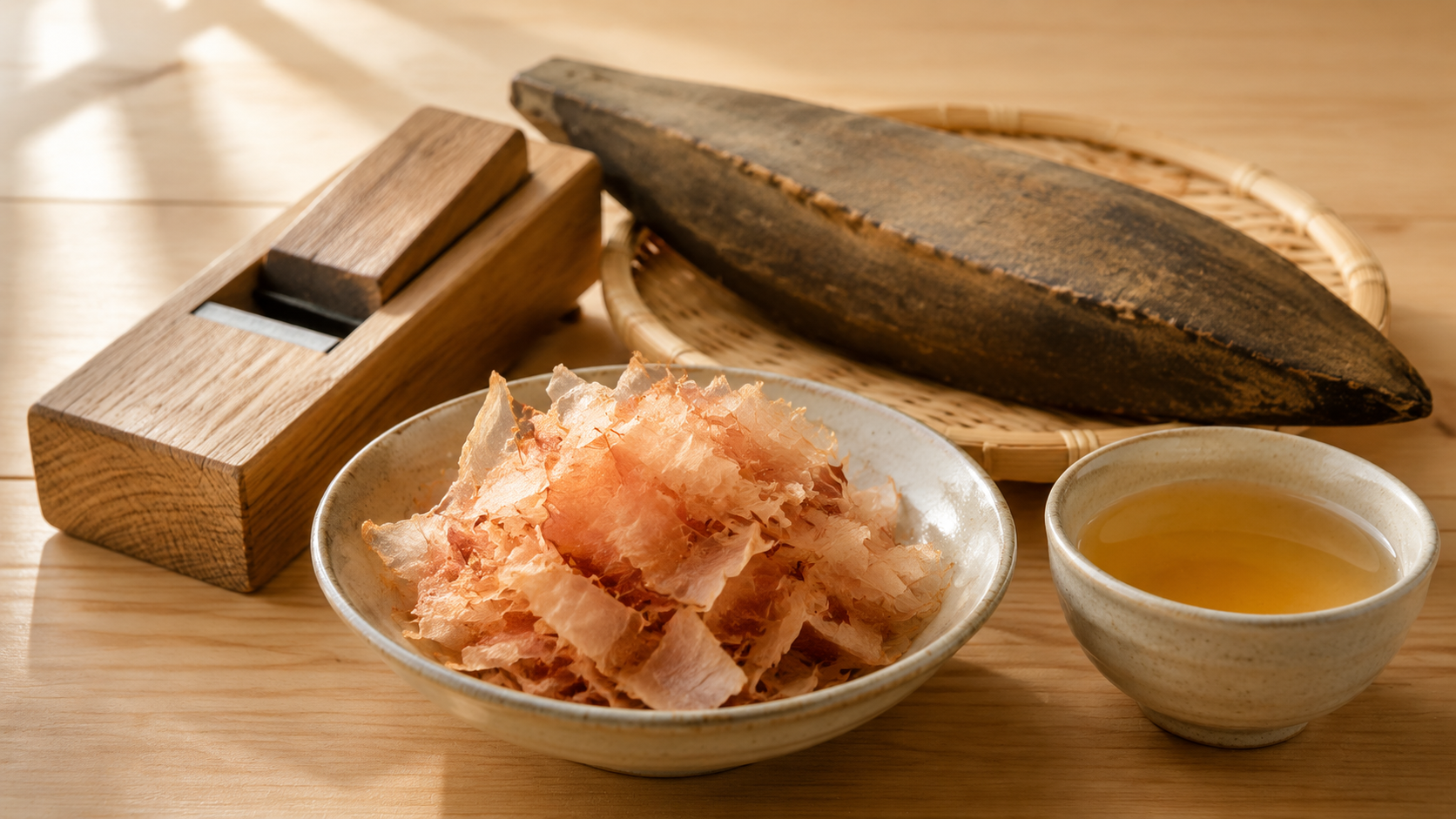
Katsuobushi is dried, smoked, and sometimes mold-matured fish shaved into the delicate pieces called bonito flakes. The flakes flavor Japanese dashi and are also eaten on tofu, rice, vegetables, noodles, and savory pancakes. Similar-looking packages may contain smoky arabushi, refined karebushi, or mixed flakes made with other fish. Shaving thickness also changes how the product … Read more
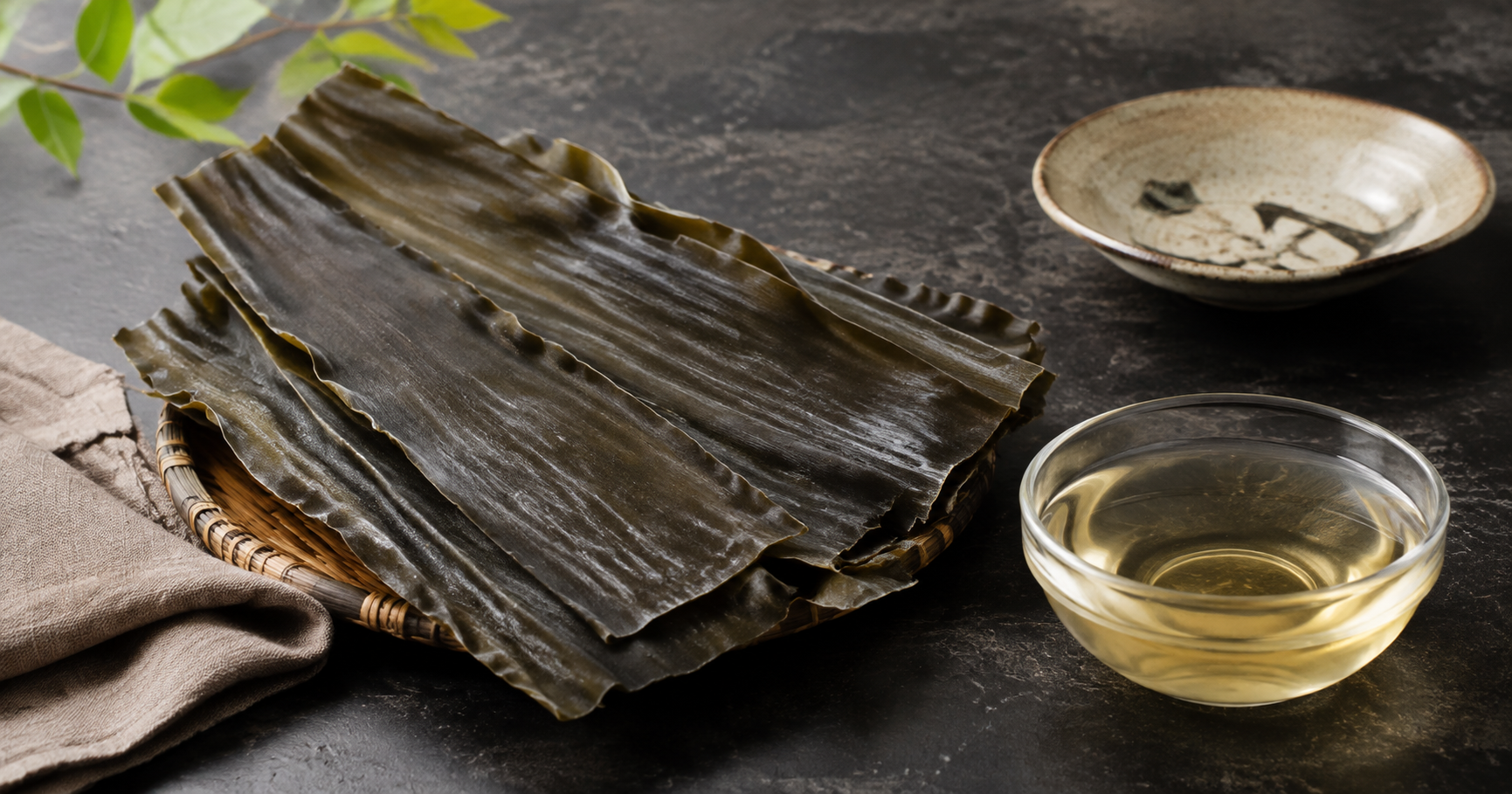
Kombu is the thick, dried kelp that gives many Japanese dishes a deep but unobtrusive savory flavor. It is best known as an ingredient in dashi, but it is also simmered, wrapped around fish, cut into fine shavings, and used to season rice and vegetables. Major growing areas produce varieties with different thicknesses, textures, and … Read more
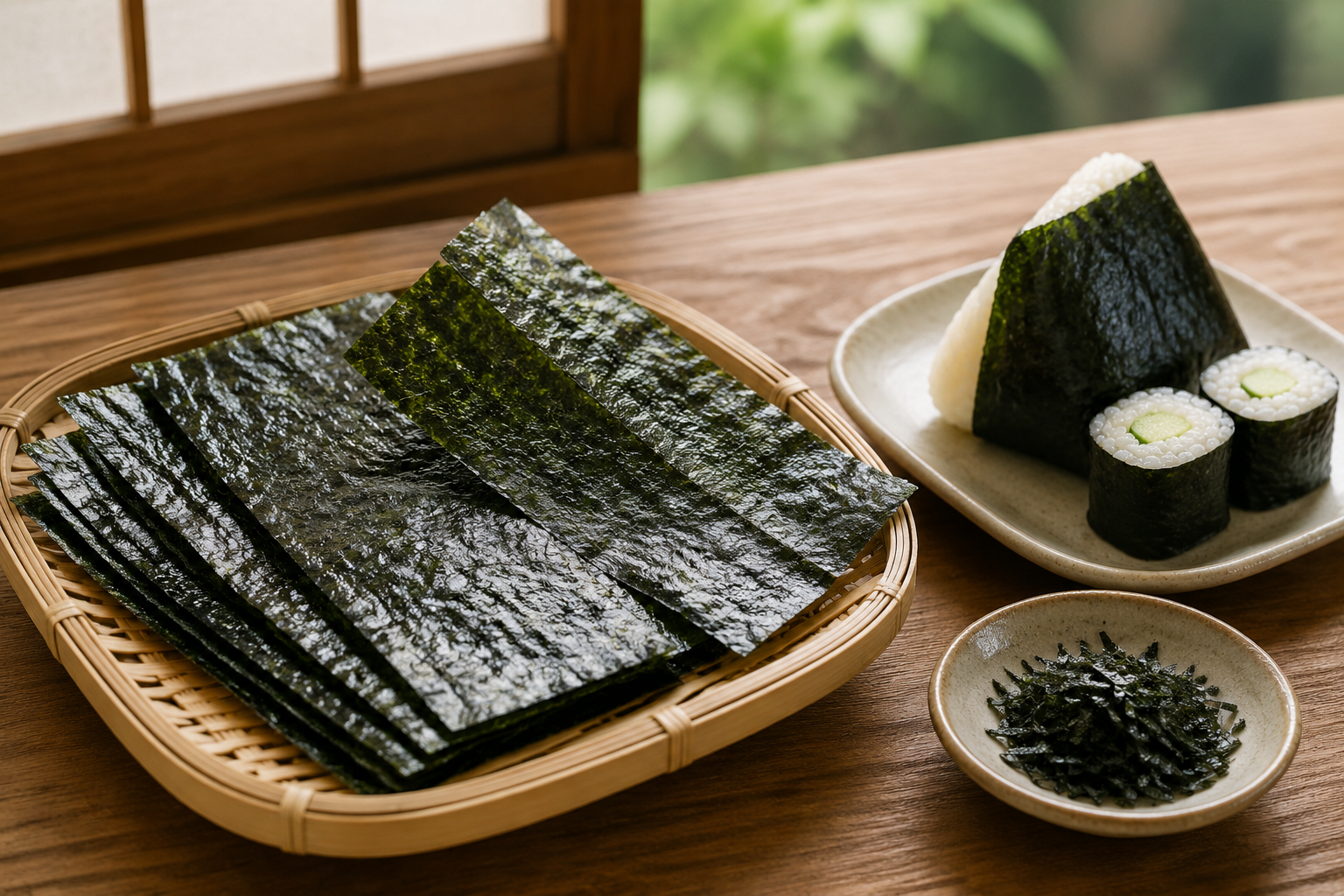
Nori is the thin, dark seaweed most closely associated with sushi rolls and onigiri. When it is fresh and dry, it can be crisp, delicate, and aromatic, with a mild ocean flavor and noticeable umami. However, the word nori can describe several products. Some sheets are dried, some are roasted, and others are seasoned with … Read more
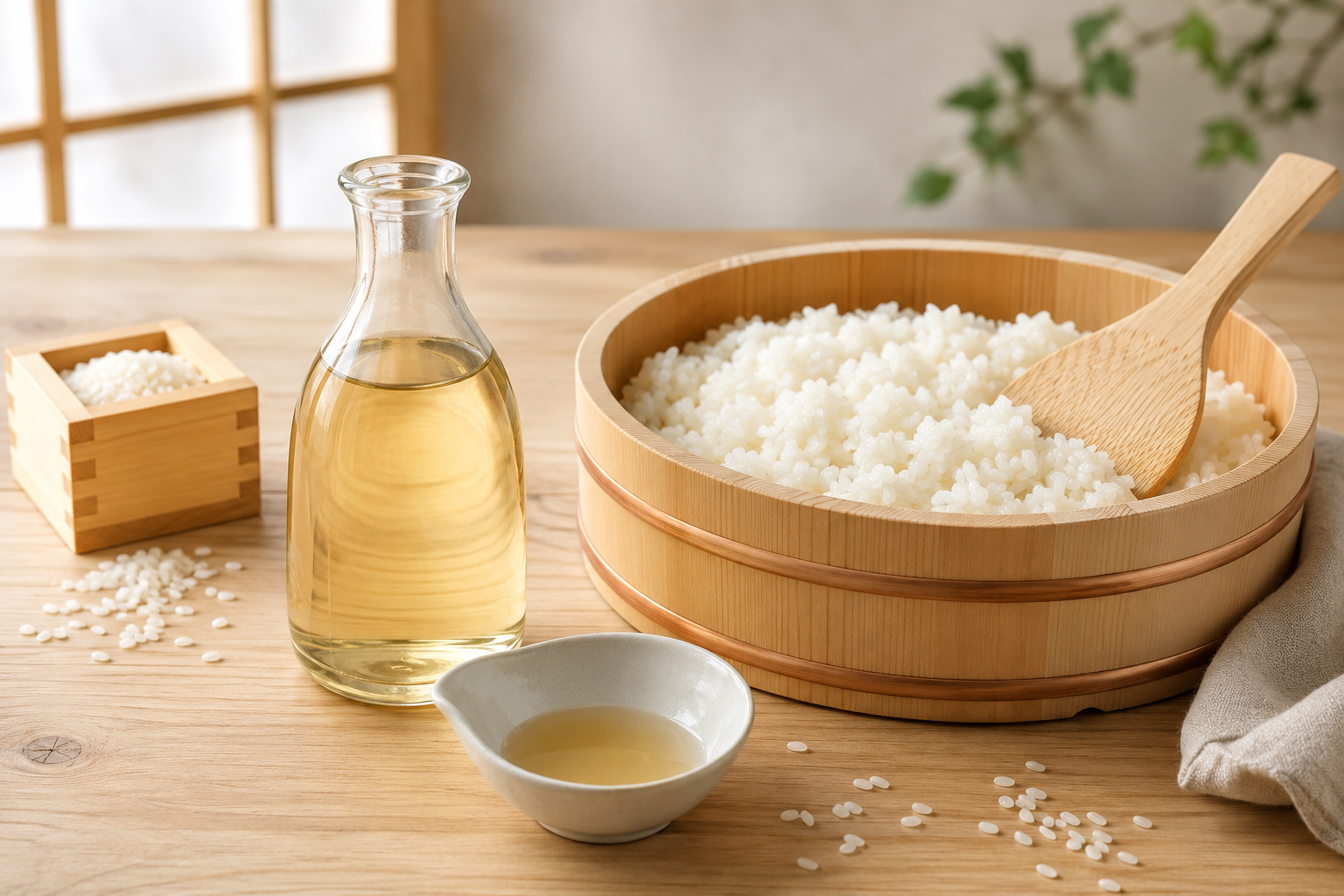
Sushi is not judged by fish alone. A Japanese cook explains how komezu, akazu, salt, sugar, temperature, and careful shari-kiri determine whether rice supports—or overwhelms—the topping.