The guest did not complain loudly. He took one bite, paused, and said, “It tastes a little bloody.” Then the plate came back.
I knew exactly where I had failed. During a busy service in my training years, I had rushed the liver preparation on a filefish. I removed the liver, gave the blood vessels less attention than they deserved, passed it through a sieve, and placed it on the nigiri. The flesh was clean and the rice was ready, but the richest part of the fish carried a metallic smell that spoiled everything around it.
My head chef’s words were severe because the lesson mattered: “Kawahagi is complete only after every trace of unpleasantness has been removed from the liver. If the liver is careless, it is better not to serve it.”
That failure changed the way I handle this fish. Kawahagi sushi is not memorable simply because the fish is seasonal or the liver is large. It succeeds when lean, resilient flesh; smooth, carefully prepared liver; seasoning; and warm sushi rice arrive at the same point together. This article explains the work behind that balance, what diners should notice, and why autumn and winter can turn a quiet white fish into the piece people talk about after dinner.
A Lean White Fish with a Rich Second Character
Kawahagi (カワハギ) is the Japanese name for the threadsail filefish, Stephanolepis cirrhifer. Beneath its rough, leathery outer skin is pale flesh with little obvious fat and a firm, tightly organized texture. Its flavor is restrained: clean, gently sweet, and more savory as it is chewed.
Served alone, the flesh can resemble other lean white fish in appearance, but the bite is distinctive. A thick slice may resist long after the sushi rice has loosened. A thin, clean slice gives the sweetness room to emerge without turning the meal into a chewing exercise.
Then comes the liver. Rich, creamy, and deeply savory, it supplies the fat the flesh lacks. The Fisheries Agency of Japan has described kawahagi liver as the “foie gras of the sea,” a comparison that makes sense at the counter: the liver coats the tongue while the fish provides tension and freshness.
People sometimes say that 80 percent of kawahagi’s value is in the liver. That is not a scientific measurement, and I would not present it as one. As a kitchen rule, however, it captures an important truth. Beautiful flesh cannot rescue liver that tastes stale, bitter, or bloody. A carefully prepared liver can make the entire fish feel more complete.
Why Autumn and Winter Matter—but Do Not Guarantee Quality
Kawahagi is strongly associated with the colder months because wild fish often carry fuller livers from autumn into winter. The biological explanation should be stated carefully. It is not that the fish is preparing for winter spawning. The Fisheries Agency explains that the liver of wild kawahagi becomes smaller during the summer spawning season. As that period passes, the liver can recover and become more prominent.
A month on the calendar still cannot judge an individual fish. Fishing area, water temperature, size, sex, feed, handling, and whether the fish is wild or farmed all influence what reaches the cutting board. Controlled aquaculture can also change the expected seasonal pattern.
When I open a fish, I look beyond size. I want a liver with a clean pale color, an intact surface, and an aroma that does not immediately suggest blood or deterioration. A large liver attracts attention, but a smaller clean liver is more useful than a damaged one. Season tells the chef when the opportunity is likely to be good; inspection decides whether today’s fish deserves to be served.
The Work That Guests Never See
Kawahagi announces its first challenge through its name, which literally refers to peeling the skin. The outer skin is tough and separates from the body in a way that feels very different from scaling a sea bream. Removing it reveals clean white flesh, but the easy peel should not create false confidence. The valuable liver sits inside a delicate working area with the gallbladder and digestive organs nearby.
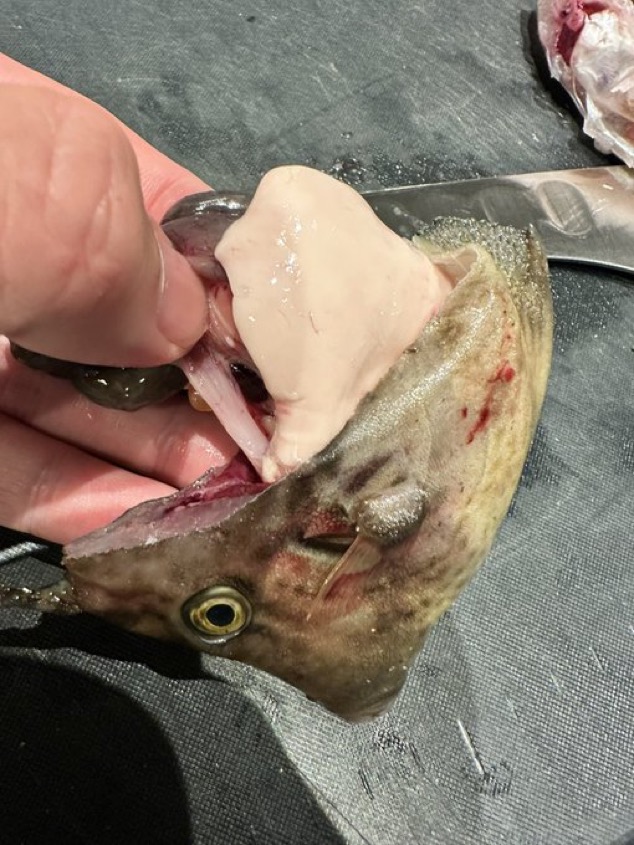
The liver must be lifted without rupturing the gallbladder or spreading digestive contents. Once removed, it is checked from more than one angle. Fine blood vessels and dark clots are easy to miss when service is moving quickly; they are also exactly what can leave an otherwise luxurious topping tasting metallic.
In my own work, I remove visible veins and traces of blood one by one. The liver is then handled under controlled conditions, cooked or steamed according to the intended service, and passed through a fine sieve. The goal is not simply a paste. It should be smooth enough to meet the fish and rice without forming a cold, grainy lump on top.
That final texture changes the whole bite. Coarse liver sits apart from the nigiri. Properly smoothed liver begins to melt as the rice loosens, coating the lean fish and extending its savory finish. This is where preparation becomes more important than quantity: piling on more liver cannot correct poor cleaning or an uneven texture.
Food Safety Is Not the Same as Removing Odor
Cleaning blood vessels improves flavor, but it should not be confused with controlling parasites or pathogens. Sake, salt, soy sauce, ponzu, vinegar, and wasabi do not make raw fish viscera safe. A quick surface blanch may change aroma and texture, but it is not automatically a validated treatment for the center of the liver.
The Ministry of Health, Labour and Welfare advises consumers and food businesses not to eat or serve raw fish viscera as an Anisakis-prevention measure. It also explains that ordinary vinegar, salt, soy sauce, and wasabi do not kill the larvae.
This article describes professional decisions; it is not a home recipe for raw liver. Home cooks should buy seafood intended for the planned preparation, keep it properly chilled, remove viscera promptly, follow local guidance, and use a validated cooking or freezing process where required. The appearance of a clean liver and the absence of an obvious smell are not proof of safety.
The Knife Has to Make the Flesh Agree with the Rice
Once the skin, head, bones, and internal organs are removed, kawahagi presents a different problem: the flesh is lean and firm. If I cut it like a softer fish, the topping can remain in the mouth after the shari has already disappeared. The fish and rice have not failed individually; their textures have failed to meet.
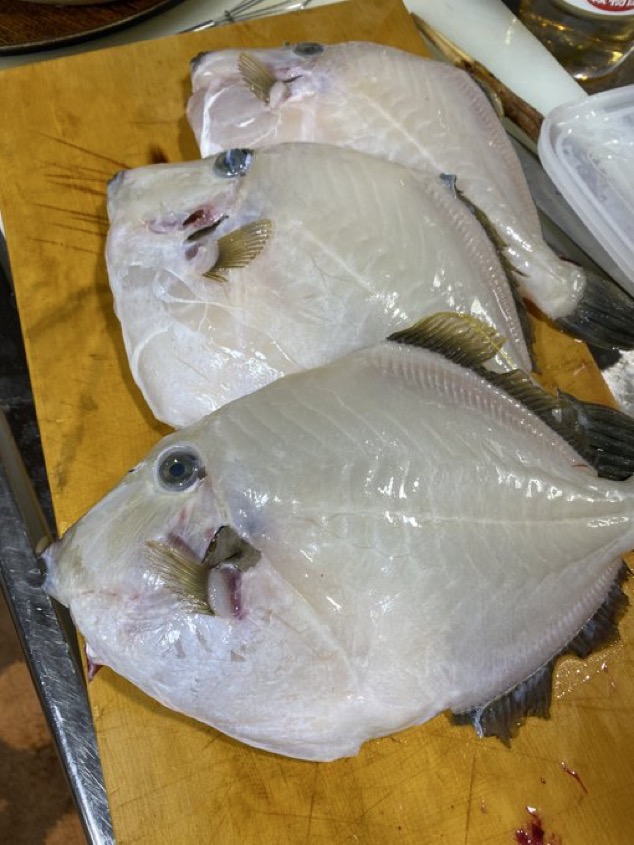
For sashimi, I lower the knife and use a long drawing stroke to make broad, thin slices. This is the logic of usuzukuri: thinness is functional, not merely decorative. It shortens the experience of the firm fibers and lets the diner taste several layers of fish with a small amount of liver sauce.
For nigiri, the slice needs enough width to cover the rice while remaining thin enough to yield. Fine hidden cuts can interrupt stubborn fibers and help the liver or sauce cling to the surface. These cuts must remain controlled. Scoring too deeply weakens the slice, damages its clean appearance, and can release moisture.
The knife should travel in one smooth pull rather than saw back and forth. A clean cut leaves a glossy surface and defined edge; a rough one makes lean fish look dull before it reaches the guest. Our guide to sashimi cuts and textureexplains why direction and thickness change the way firm fish feels.
Two Ways to Understand the Same Fish
Thin Sashimi with Kimo-Jōyu
As an appetizer, kawahagi may be sliced thinly and served with kimo-jōyu, a sauce made by combining prepared liver with soy-based seasoning. Some restaurants use nikiri soy sauce; others introduce ponzu for citrus acidity. The exact balance belongs to the house.
The first dip should be light. The fish is delicate, and a heavy coating turns every slice into a taste of liver sauce. With the right amount, the firm flesh arrives first, followed by the liver’s richness and then the refreshing edge of citrus or soy. Readers unfamiliar with the distinction can consult our guide to ponzu and ponzu shoyu.
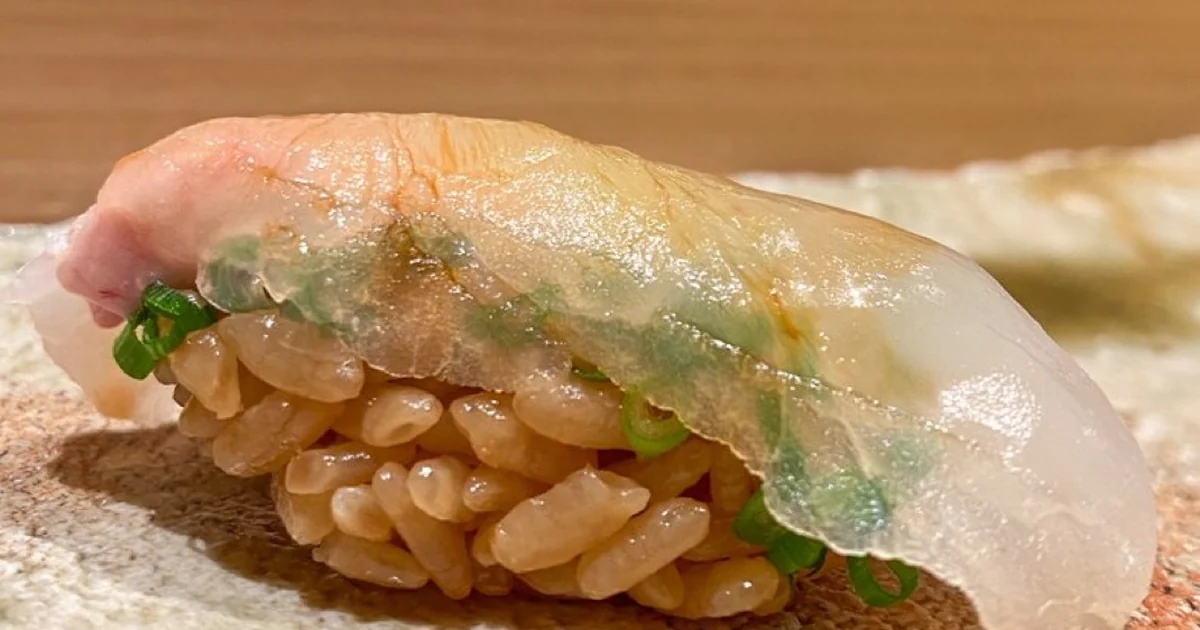
Nigiri with Liver on Top
Nigiri asks the chef to solve more variables at once. The fish must bend over the rice, the hidden cuts must make it easy to bite, and the liver must stay in place without turning the piece top-heavy. A small amount of green onion, momiji-oroshi, ponzu, or nikiri may sharpen the finish.
The best version gives three temperatures and textures in sequence: cool, resilient fish; soft, creamy liver; and gently warm rice loosening underneath. Too much liver buries the fish. Cold, tightly packed rice makes the whole piece feel heavy. A thick slice leaves the diner chewing after the other elements are gone.
Eat it soon after it is placed in front of you. The liver becomes firmer as it chills, the surface of the fish begins to dry, and the rice changes as it sits. Our sushi-counter guide explains why respecting the intended moment matters more than performing complicated etiquette.
Kawahagi Is Not the Same as Every “Filefish”
Japanese markets also sell umazurahagi (ウマヅラハギ), whose name refers to its horse-like long face. It is a related filefish, not another name for the same species. A whole umazurahagi generally has a more elongated profile, and its fins may carry a blue-green cast.
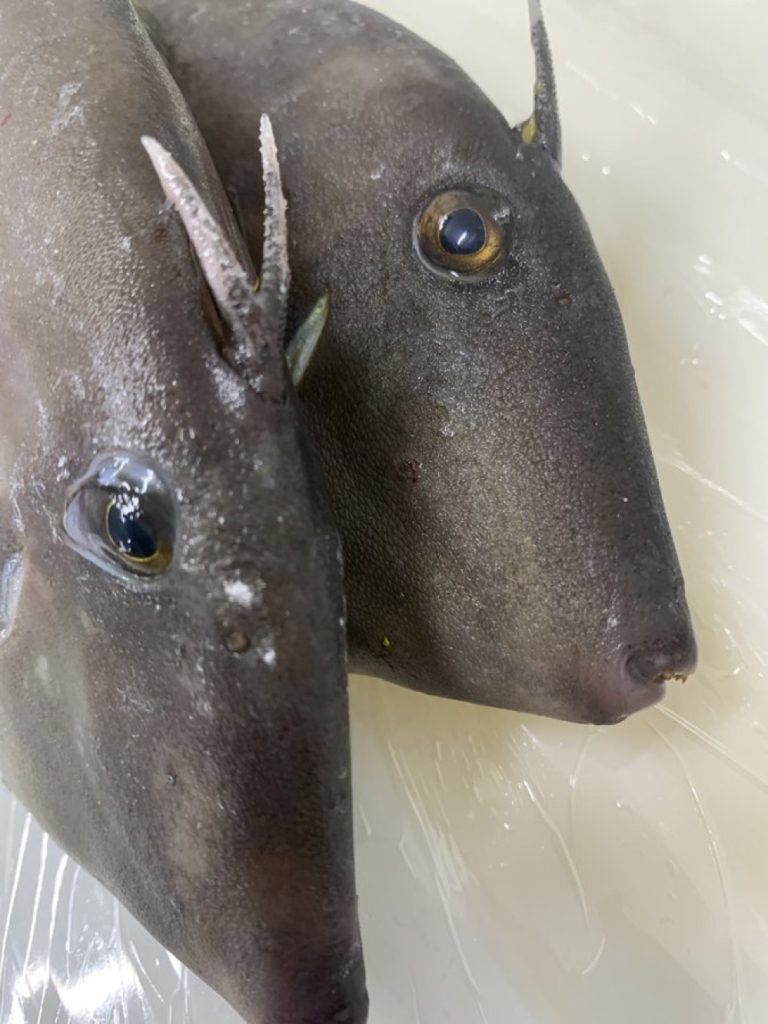
Identification becomes harder after the head and skin have been removed. Mie Prefecture’s fisheries research institutepoints to differences in body depth and fin color and notes that hon-kawahagi generally commands the higher market price.
Price should not be mistaken for a verdict on every individual fish. Umazurahagi can also be enjoyable, particularly when it is fresh and carries a good liver. Size, season, handling, and preparation may matter more to the plate than a simplistic “best versus inferior” ranking.
If a menu says only “filefish” and the species matters to you, ask. Kore wa kawahagi desu ka, umazurahagi desu ka?means “Is this kawahagi or umazurahagi?” A good restaurant should be able to explain what it is serving without treating the question as a challenge.
What to Ask For—and What to Notice in the First Bite
Look for カワハギ or かわはぎ on a Japanese menu. If it is available, Kawahagi wa kimo-zuke de dekimasu ka? asks whether it can be served with liver. This wording invites the chef’s preferred preparation rather than insisting on a particular garnish or quantity.
When both are offered, try thin sashimi before nigiri. The sashimi makes it easier to understand the flesh on its own and to control the amount of liver sauce. The nigiri then shows whether the chef has made the firm topping and warm rice finish together. The difference is a practical example of how sushi and sashimi can transform the same ingredient.
In the first bite, notice whether the flesh breaks cleanly or demands a long chew. The liver should feel smooth rather than grainy and rich rather than metallic. Seasoning should sharpen the fish, not erase it. After the rice loosens, the finish should still carry the fish’s clean sweetness instead of only soy sauce or liver.
I still remember the unfinished plate from my training years. It taught me that a large liver is only potential. Kawahagi becomes exceptional through the work no diner sees: opening the fish without damage, removing one more blood vessel, checking the aroma again, drawing the knife through in one clean motion, and deciding how much liver the rice can actually carry.
That invisible work is why, for a short stretch of the colder season, this modest-looking fish can become the piece that defines the meal.