Sanma in Japan is closely associated with autumn, but salt-grilling is only one way to experience this slender silver fish. The same Pacific saury can be cooked whole over heat, simmered in a seasoned liquid, or prepared as nigiri. Each method changes the aroma, texture, richness, and role of the fish so completely that the dishes can feel like separate experiences.
This transformation is one of the pleasures of Japanese cooking. An ingredient is not limited to a single “authentic” presentation. The cook decides whether to emphasize sanma’s oily richness, soften it with liquid and acidity, or preserve its delicate texture for sushi.
Why Sanma Is Known as an Autumn Fish
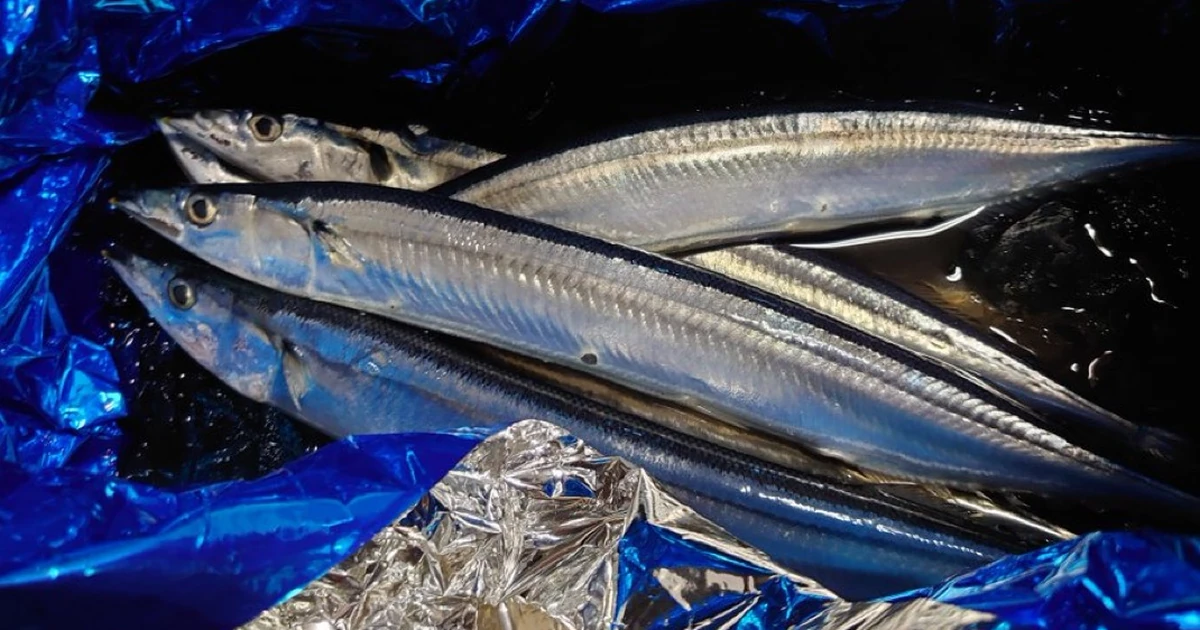
Sanma (サンマ) is Pacific saury, a long, narrow fish found across the North Pacific. Its written name in Japanese, 秋刀魚, combines the characters for autumn, knife, and fish—a visual reference to its season and blade-like shape.
Japan’s Fisheries Research and Education Agency explains that sanma found far offshore in spring and early summer migrate toward waters around Japan in autumn. This seasonal movement helped establish the fish as a familiar symbol of the Japanese fall table.
“Autumn fish” should not be read as a promise that every specimen has identical fat or quality. Size, age, fishing ground, timing, handling, and changing ocean conditions all affect the fish. Seasonality gives useful context, but the individual sanma still matters.
This broader relationship between seafood and the calendar also appears at sushi counters. Our guide to seasonal sushi in Japan explains how chefs move from delicate spring fish toward richer autumn and winter toppings.
Three Preparations, Three Different Experiences
| Preparation | Main change | Eating experience |
|---|---|---|
| Salt-grilled | Direct heat browns the skin and warms the fat | Smoky, savory, juicy, and crisp at the surface |
| Simmered | Seasoned liquid enters the cut pieces | Moist, tender, and integrated with sweet-savory sauce |
| Nigiri | Minimal or light heat preserves the flesh and silver skin | Clean, rich, delicate, and balanced against vinegared rice |
The table is not a ranking. Each method solves a different culinary problem and reveals a different part of the fish.
Shioyaki: The Familiar Whole Grilled Sanma
The most recognizable preparation is sanma no shioyaki: sanma seasoned with salt and grilled, often largely intact. The method looks simple, which makes timing especially important. Direct heat browns and dries the skin while warming the oil beneath it. The contrast between crisp surface, juicy flesh, and pronounced aroma is the center of the dish.
Grilled sanma is commonly served with grated daikon and a tart citrus such as sudachi. The daikon adds moisture and a gentle sharpness; citrus brightens the rich fish. Diners can adjust each bite rather than covering the entire fish in one strong sauce.
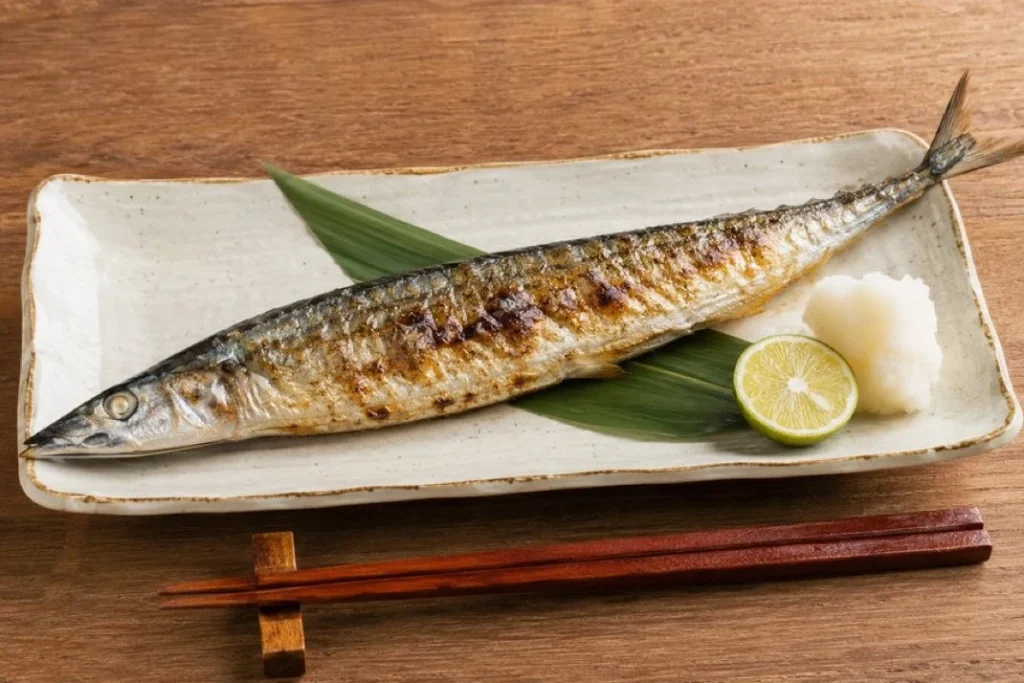
The fish’s shape remains visible, which is part of the appeal. Unlike a fillet presented without context, a whole grilled sanma makes the connection between the ingredient and the season immediately clear.
Simmering Turns Sanma Toward the Sauce
When sanma is cut into sections and simmered, the experience changes from dry heat to moist cooking. Soy sauce, sake, mirin or sugar, ginger, and other seasonings may be used in different combinations. Instead of crisp skin, the cook seeks tender flesh and a sauce that settles around and into the pieces.
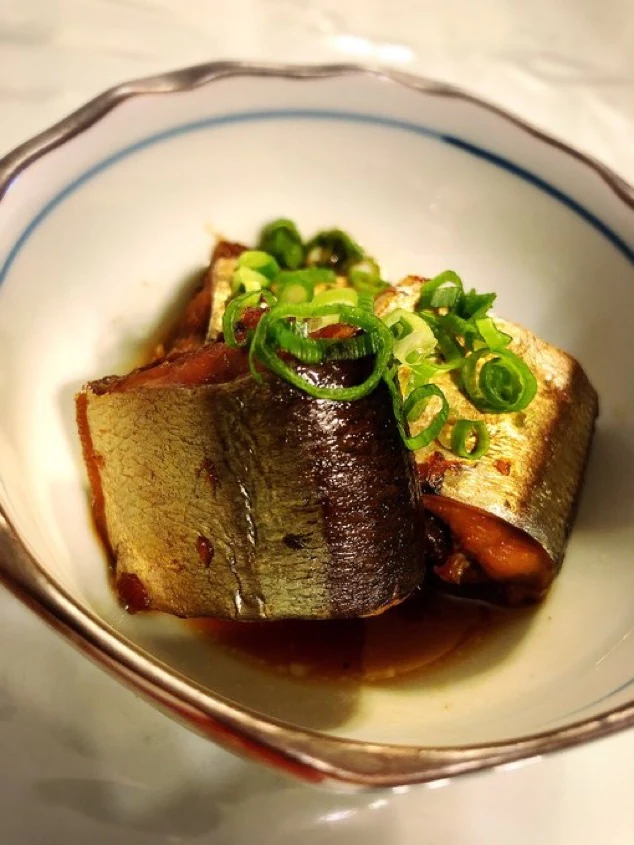
The photograph is described simply as simmered sanma because a plum is not visible. One possible variation is ume-ni, in which umeboshi or ume adds tartness to the simmering liquid. The acidity contrasts with the fish’s richness and produces a different finish from salt-grilling. Our guide to umeboshi explains why Japanese salted plums taste sour and salty rather than like a sweet Western plum.
Some recipes simmer fish long enough to soften small bones, but this should never be assumed from appearance. Cooking time, fish size, and method differ. Eat around any bones that remain firm rather than treating “simmered” as a guarantee that every part is edible.
Sanma Nigiri Preserves a More Delicate Side
Sanma can also appear as nigiri, especially when a restaurant has fish suitable for that preparation. The silver skin creates a striking surface, while the flesh offers a cleaner and more immediate expression than a fully cooked dish. A chef may use ginger, green onion, citrus, a brushed sauce, or light searing to manage the aroma and richness.
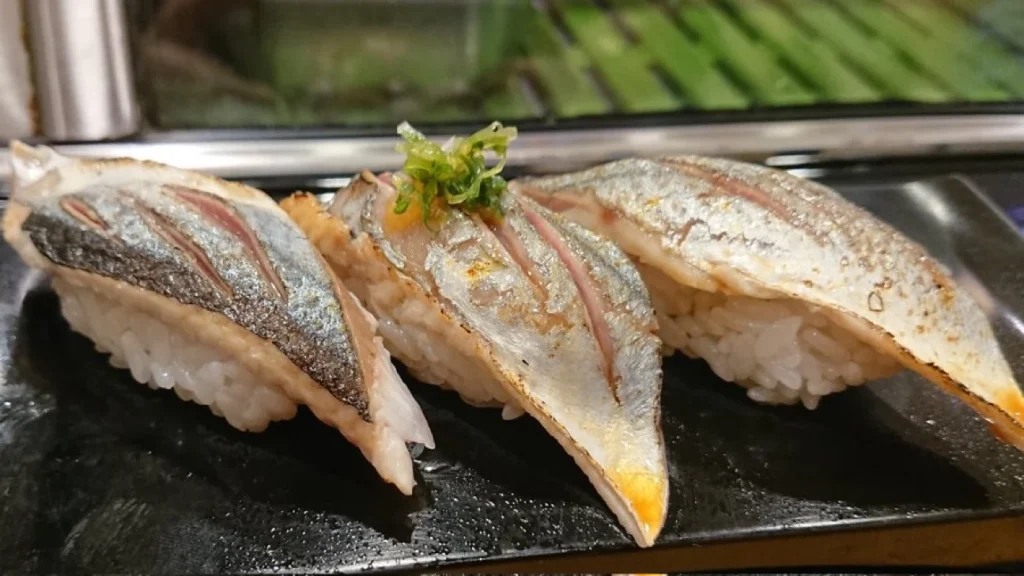
Nigiri also makes rice part of the seasoning. Vinegar, rice temperature, and the size of the shari affect how the fish’s fat and aroma are perceived. The article on sushi rice temperature shows why a chef may adjust shari rather than treating rice as a neutral base.
The pictured pieces appear to have some surface color, but a photograph cannot establish how completely the fish was heated. “Seared” and “fully cooked” are not interchangeable descriptions.
The Diner Encounters the Fish Differently
Preparation changes more than doneness. With a whole grilled sanma, the diner separates flesh from bones and chooses how much grated daikon or citrus to add. In a simmered dish, the cook has already divided the fish into portions, and the sauce becomes part of nearly every bite. Nigiri goes further: the chef portions the topping, removes unwanted bones, shapes the rice, and presents a composed mouthful.
This difference helps explain why raw does not mean untouched. Sanma for sushi can require precise trimming, bone removal, seasoning, and temperature control before it reaches the guest. It also explains the distinction between sashimi and nigiri. A slice of prepared fish served alone may be sashimi; once it is paired with vinegared rice, it becomes sushi. Our sushi and sashimi comparison covers that difference in more detail.
Raw Sanma Requires Professional Handling
Sanma intended for raw or lightly cooked service requires appropriate sourcing, inspection, sanitation, and parasite controls. Japan’s Ministry of Health, Labour and Welfare includes sanma among seafood that may carry Anisakis larvae. Ordinary salt, vinegar, soy sauce, and wasabi do not kill them.
For that reason, this article explains restaurant presentation rather than how to turn an ordinary whole fish into home sashimi. Surface searing alone should not be assumed to address hazards throughout a piece. Diners who need fully cooked seafood should confirm that requirement with the restaurant.
One Fish Does Not Have One Correct Flavor
Salt-grilled sanma emphasizes browned skin, warm fat, and the contrast of daikon and citrus. Simmered sanma becomes tender and absorbs a sweet-savory cooking liquid; ume-ni adds a tart direction. Nigiri keeps the silver fish visually recognizable while pairing its delicate richness with seasoned rice.
The pleasure lies in the differences. Japanese cuisine does not ask diners to choose one final definition of sanma. It allows one seasonal ingredient to move from fire to simmering liquid to the sushi counter—and to express a new balance each time.