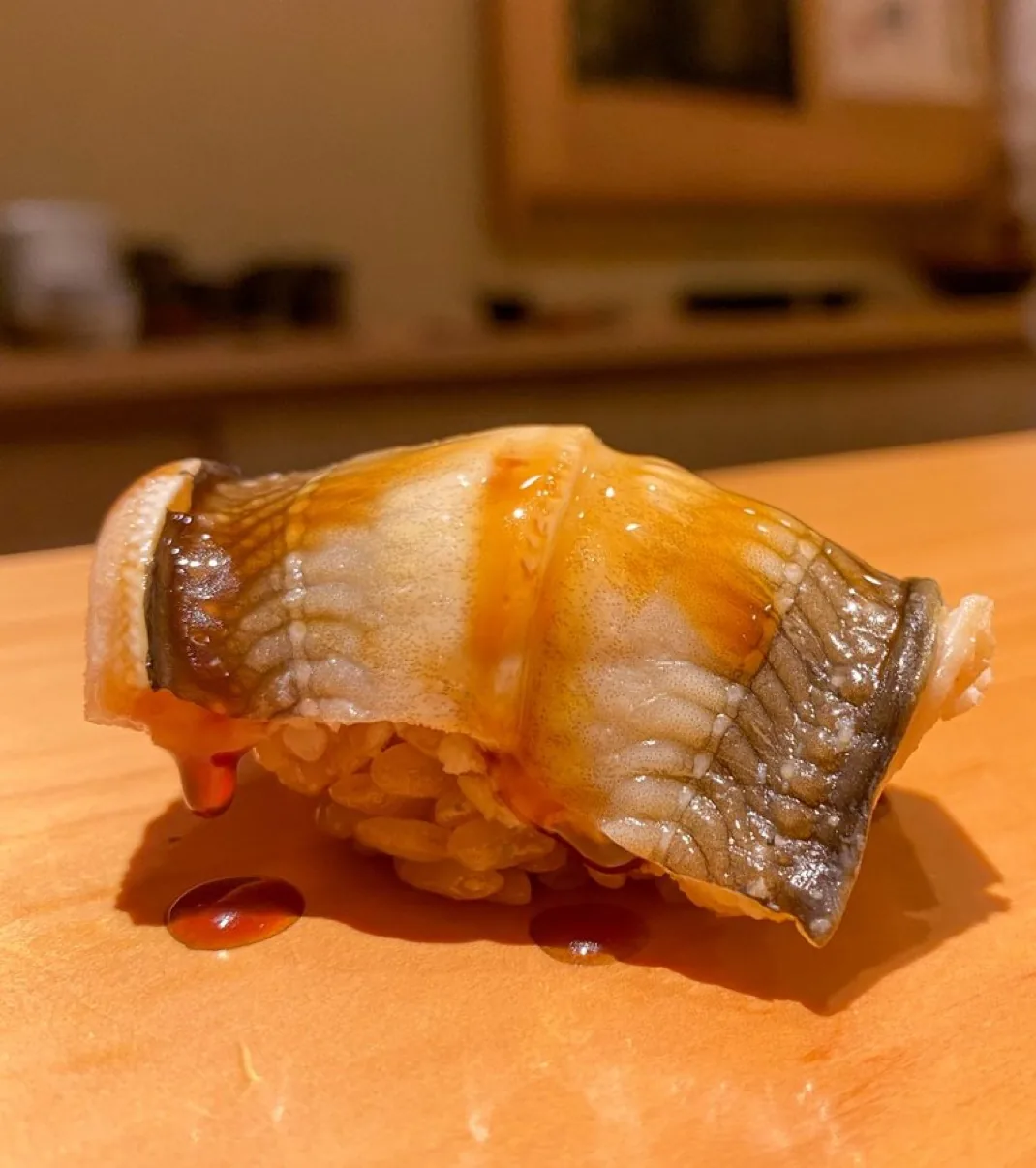
Anago is Japanese conger eel, usually cooked until tender and served with a glossy sauce. Learn how it tastes, how it appears in sushi, and why it differs from richer freshwater unagi.
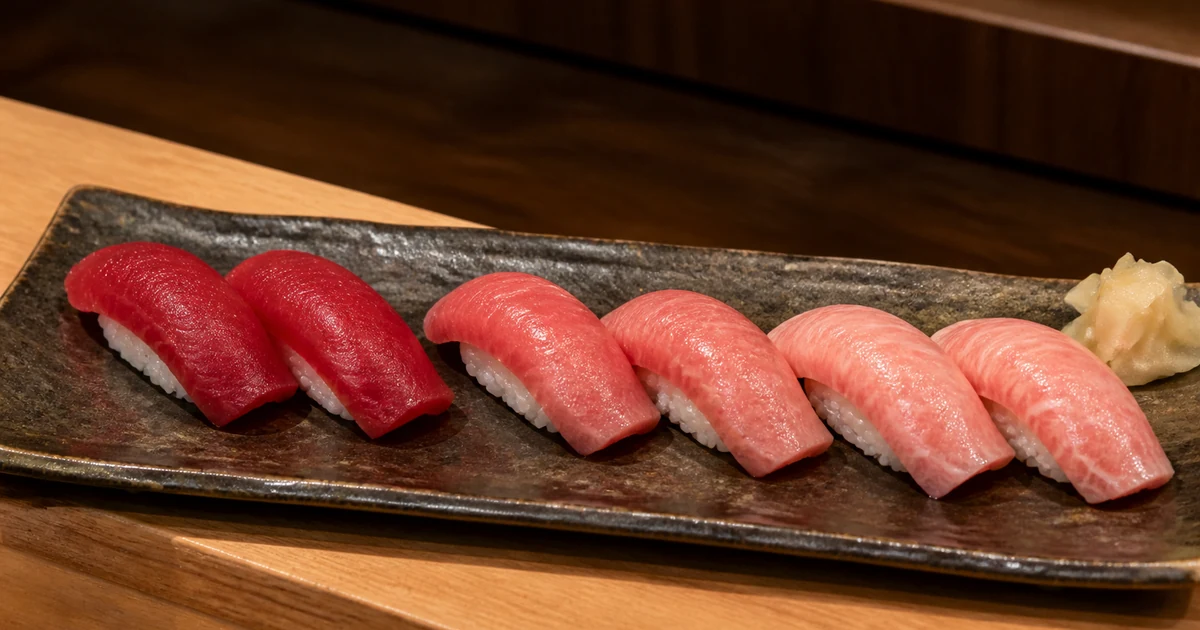
Maguro is tuna, but a sushi menu may divide it into lean akami, moderately fatty chutoro, and rich otoro. Learn how these cuts differ and which one to order first.
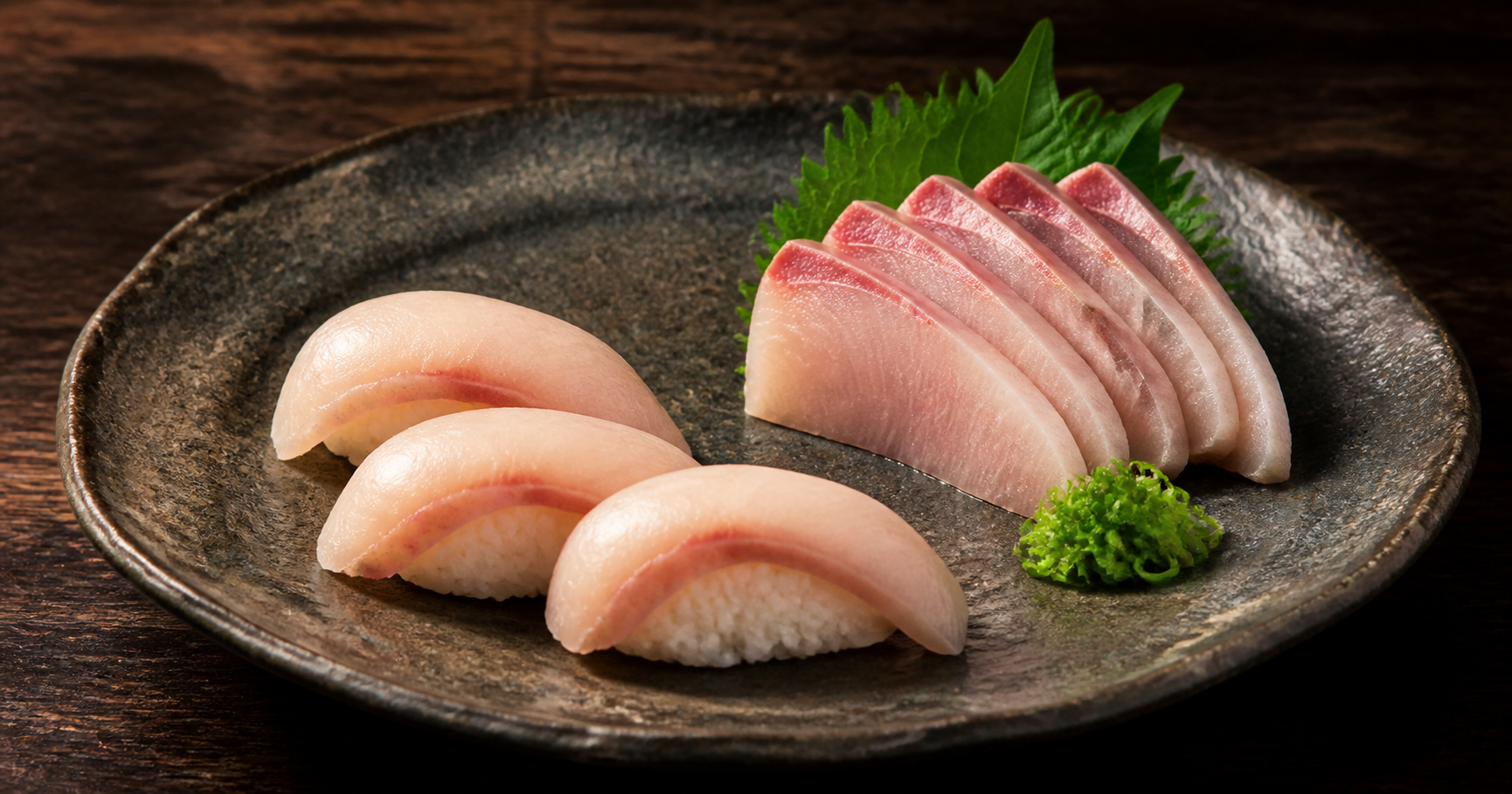
Hamachi is a popular yellowtail served in sushi and sashimi, but its name is often confused with buri and kanpachi. Learn how these fish differ in species, maturity, taste, texture, and use on Japanese menus.
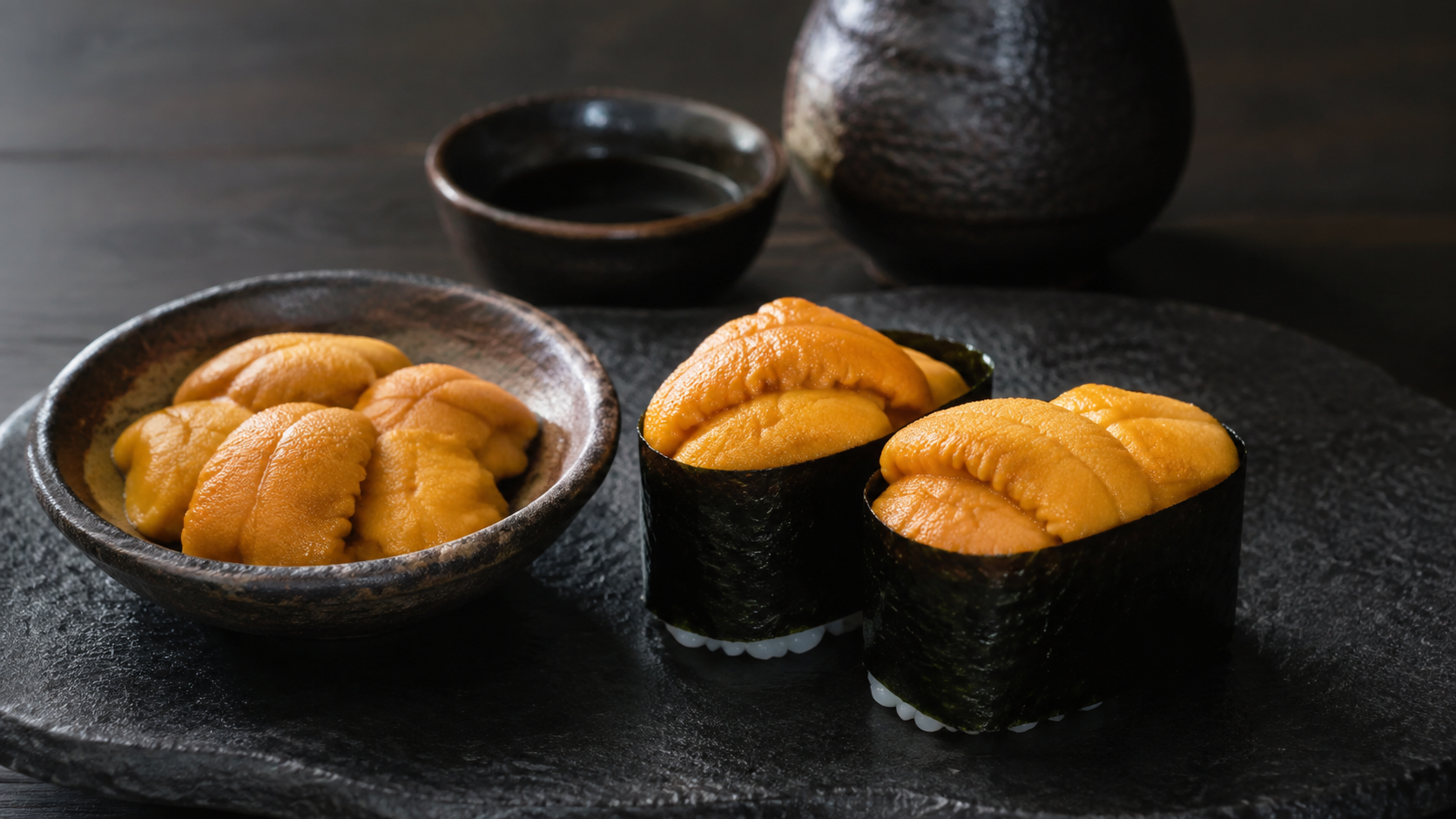
Uni is the edible gonad of sea urchin, prized for its creamy texture, natural sweetness, and umami. Learn about common types, processing, and sushi uses.
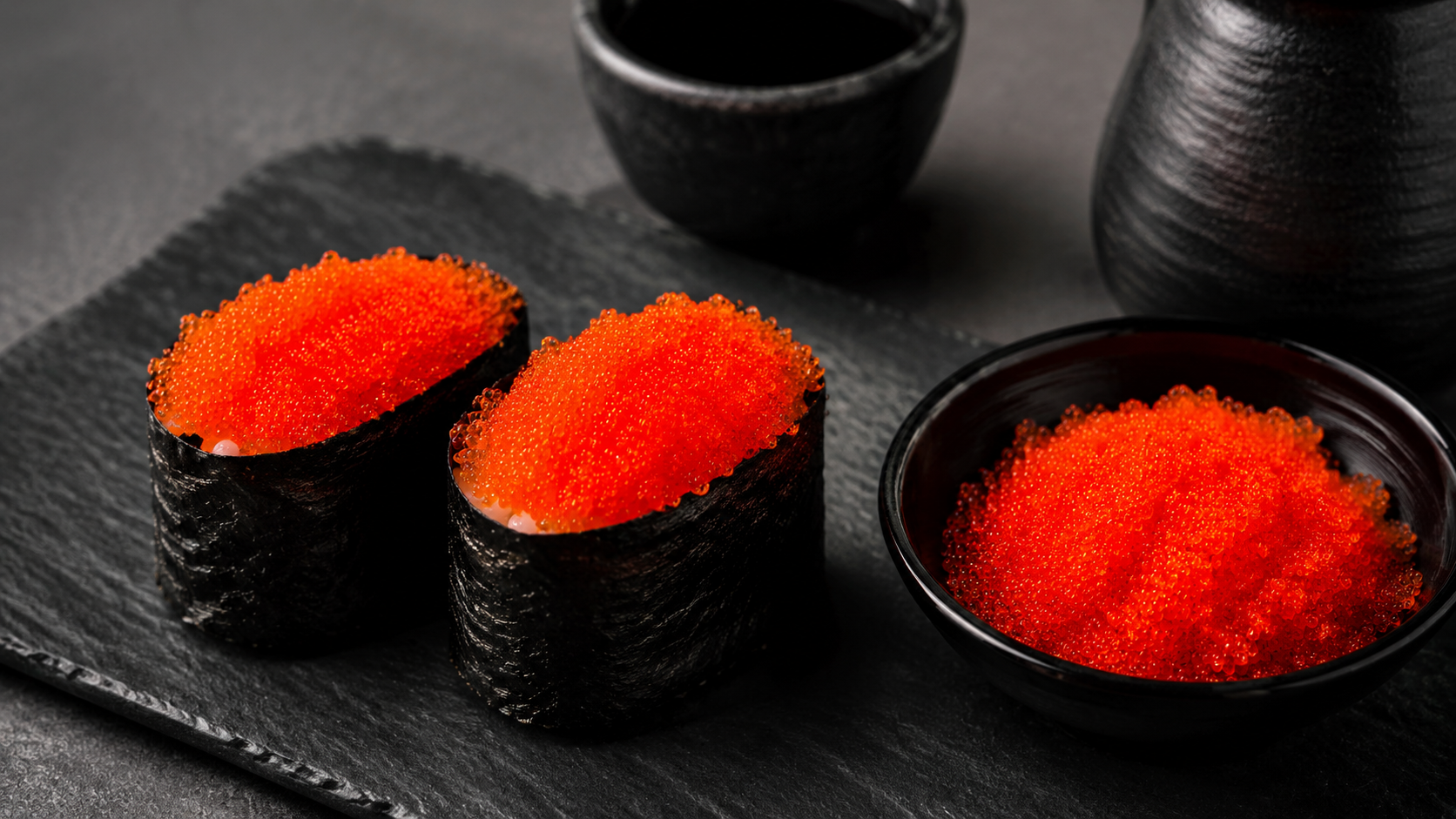
Tobiko is flying fish roe known for its bright color and crunchy pop. Learn how it tastes, how it differs from masago and ikura, and how it is used in sushi.
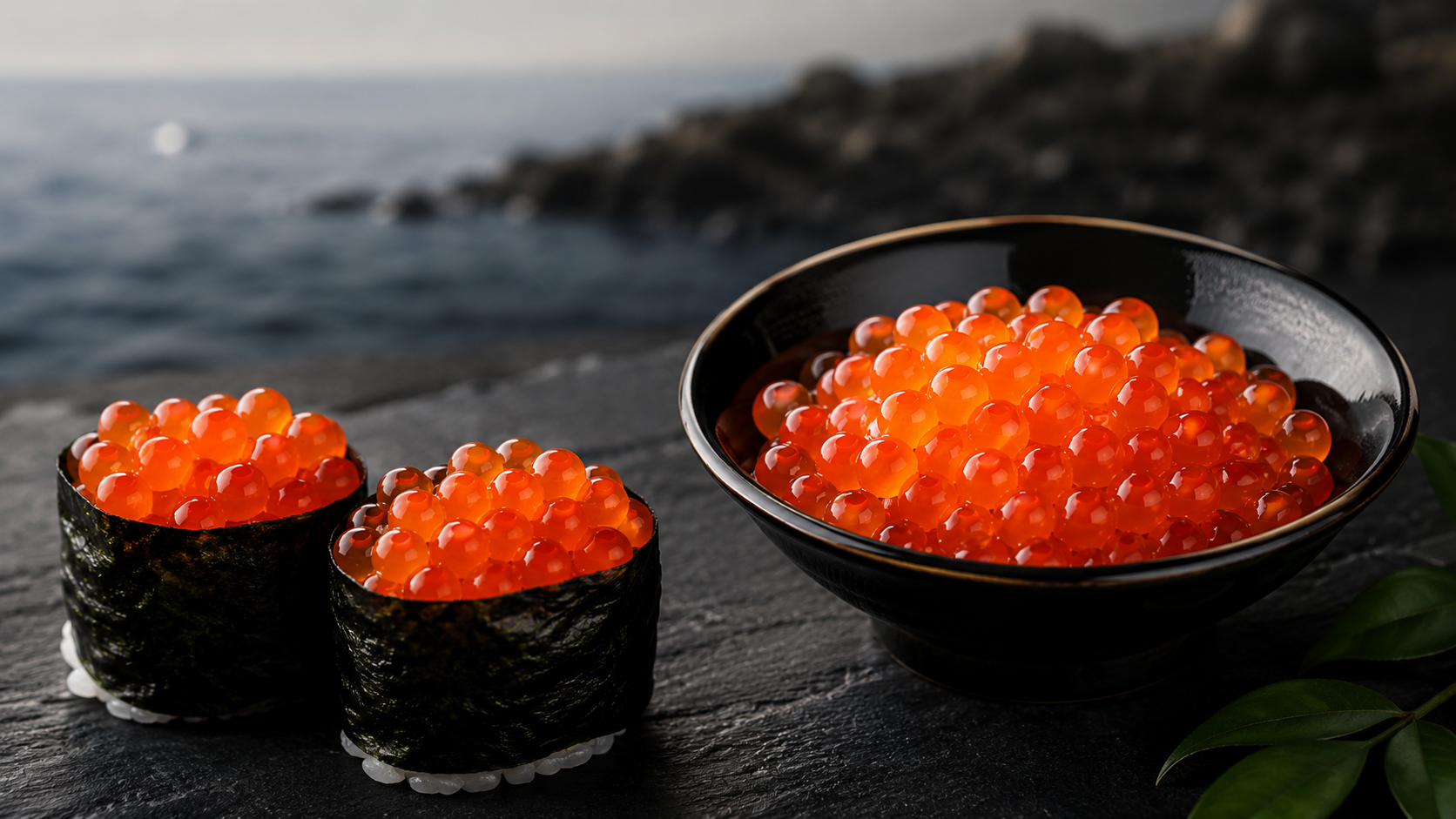
Ikura is Japanese salmon or trout roe known for its glossy appearance, savory flavor, and delicate pop. Learn how it differs from sujiko and how it is used in gunkan sushi, temaki, and rice bowls.
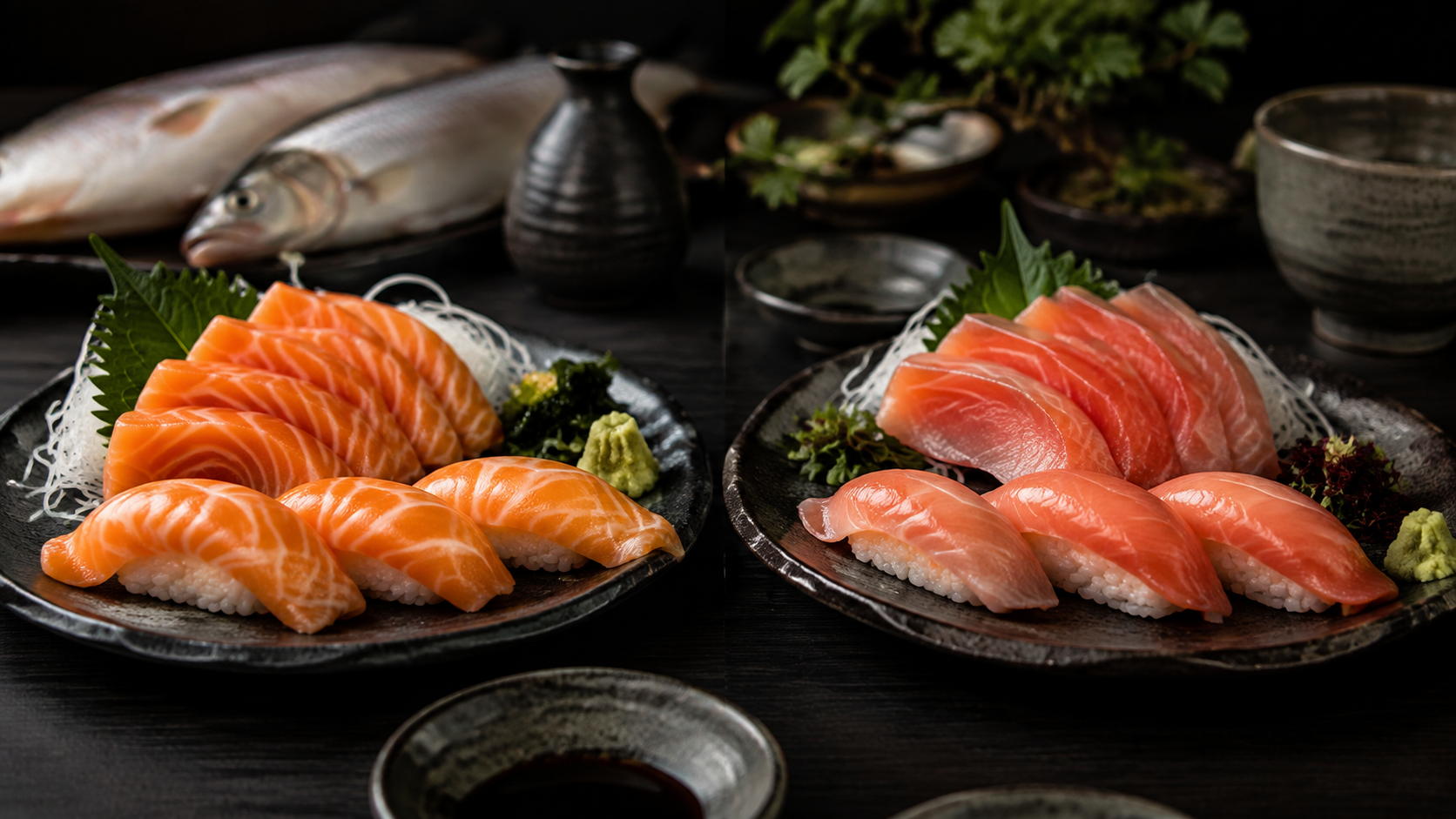
Salmon and trout are closely related, but their names and uses can be confusing in Japan. Learn how sake, masu, and trout salmon differ in sushi, flavor, labeling, and preparation.
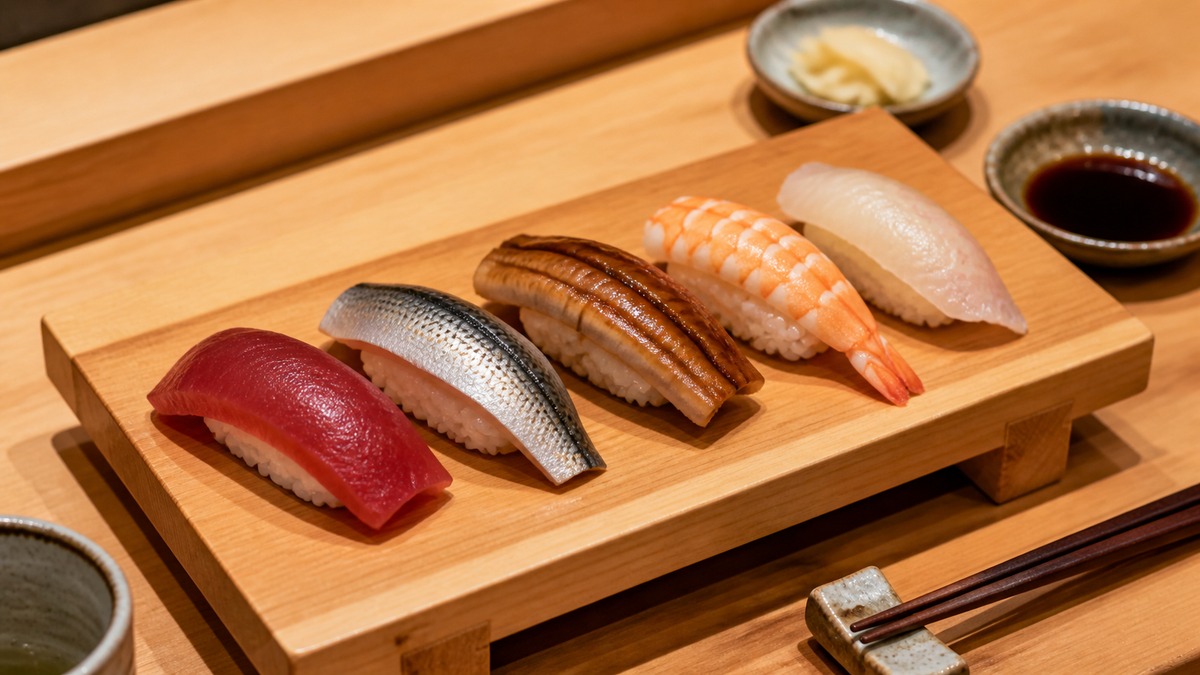
Edomae sushi is the traditional Tokyo style of sushi that helped shape the nigiri enjoyed around the world today. It developed in Edo, the former name of Tokyo, as a quick meal made with vinegared rice and seafood from nearby waters. Edomae sushi is not simply raw fish placed on rice. A chef may cure … Read more
Learn the difference between sushi and sashimi, including vinegared rice, raw and cooked ingredients, nigiri, serving styles, and how to order both in Japan.
Eating sushi in Japan is not an etiquette test. A sushi chef explains one-bite nigiri, hands versus chopsticks, counter communication, fragrance, photography, and dietary requests.