Edomae sushi is the traditional Tokyo style of sushi that helped shape the nigiri enjoyed around the world today. It developed in Edo, the former name of Tokyo, as a quick meal made with vinegared rice and seafood from nearby waters.
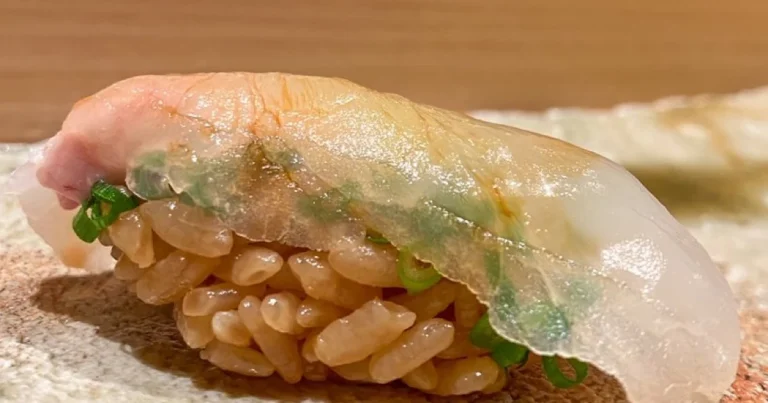
Edomae sushi is not simply raw fish placed on rice. A chef may cure fish with salt or vinegar, marinate it in soy sauce, simmer it, steam it, or brush it with a seasoned sauce. These techniques once helped preserve seafood and now define the style’s flavor and craftsmanship.
What Does “Edomae” Mean?
Edo was the name of Tokyo until 1868, and mae can mean “in front of.” Historically, Edomae referred to the waters in front of Edo, including what is now Tokyo Bay. Seafood caught in this area supplied the growing city.
The term later became associated with the preparation methods developed by Edo’s sushi chefs. Today, Edomae sushi can use seafood from elsewhere while still following this Tokyo tradition.
How Edomae Sushi Developed
Earlier forms of sushi relied on fermentation to preserve fish. During the Edo period, vinegar made faster forms possible. Nigiri became popular in the early nineteenth century as convenient food for busy townspeople.
Without modern refrigeration, chefs developed ways to preserve seafood while improving its taste and texture. The result was a complete, seasoned bite rather than plain raw fish requiring heavy dipping at the table.
For a broader introduction to sushi rice, toppings, and the main sushi styles, read What Is Sushi?
Traditional Edomae Sushi Techniques
The word shigoto, meaning “work,” describes preparation applied to an ingredient. The method depends on the fish, season, and desired balance with the rice.
The Shari Is the Foundation of Edomae Sushi
From the counter, the topping is only half of the calculation. The rice must support the fish without disappearing beneath it or dominating it. A chef adjusts the vinegar, salt, firmness, temperature, and size of the shari according to the topping and the pace of the meal.
Red Vinegar, Rice Vinegar, and House Style
Many Edomae-style restaurants use akazu, a reddish-brown vinegar traditionally made from matured sake lees. It can bring savory depth and a rounded aroma that works especially well with tuna, cured silver-skinned fish, and simmered toppings. Some chefs use akazu alone, while others blend it with rice vinegar to create a cleaner or brighter finish. Red shari is therefore an important Edomae expression, but it is not a compulsory rule for every authentic counter.
Temperature, Firmness, and Mouthfeel
Shari is commonly served warm rather than refrigerator-cold. The exact temperature changes with the restaurant, the rice batch, and the topping; the practical aim is to keep the rice fragrant and help the topping and shari open together in the mouth. Very cold rice can make fish fat feel firmer and mute aroma.
The rice is generally cooked firmer than ordinary table rice because the grains must absorb seasoned vinegar without becoming wet or sticky. During shaping, the chef applies enough pressure to hold the piece together while preserving small spaces between the grains. The ideal bite keeps its form on the way to the mouth, then loosens without turning into a dense lump. See our guide to sushi rice temperature for a closer look at how chefs adjust shari for different fish.
Season Changes the Chef’s Work
A useful principle of Edomae sushi is that preparation is never separated from condition. The same species may carry more fat, water, or firmness at a different point in the season, so a fixed curing time is less important than reading the fish in front of you. The romantic claim that “nothing is served untouched” is too absolute, but classic Edomae thinking does ask what—if any—work will improve the ingredient and its balance with rice.
- Spring: young sea bream such as kasugo may receive delicate salting and vinegar curing. Mature tai may be served fresh, rested, or lightly kombu-cured according to moisture and texture.
- Summer: tiny shinko, the juvenile form of kohada, demands especially careful trimming and brief, closely watched curing. The chef judges thickness and condition rather than following one universal number of seconds or minutes.
- Autumn: richer fish can support smoke, searing, ginger, or stronger vinegar. Fresh salmon roe may be separated from the membrane and seasoned so the eggs remain soft and balanced with shari.
- Winter: fatty tuna, yellowtail, simmered anago, and shellfish allow deeper savory notes. Lean tuna may be prepared as zuke, while the fattier cuts need careful temperature control so their richness remains clean rather than heavy.
Seasonality is not simply a list of fish by month. It is the daily decision to cure more lightly or firmly, rest a fish, sear its skin, use citrus, or leave a particularly good piece relatively simple. That judgment is part of the craft explored in our guide to seasonal sushi in Japan.
Zuke: Marinating
Zuke usually refers to fish briefly marinated in a soy-based mixture. Tuna is a classic example. The marinade seasons the fish, changes its surface texture, and historically helped it keep longer.
Shime: Curing with Salt and Vinegar
Silver-skinned fish such as kohada and mackerel may be salted and cured with vinegar. This controls moisture, softens strong aromas, and creates a bright flavor that complements the rice.
Nikiri and Tsume: Finishing Sauces
A chef may brush a piece with nikiri, a prepared soy-based sauce, immediately before serving. Simmered anago is commonly finished with tsume, a glossy sweet-savory sauce. Because the seasoning is already balanced by the chef, additional soy sauce is often unnecessary.
Simmering, Steaming, and Cooking
Edomae sushi includes cooked ingredients as well as fish that appears raw. Anago may be simmered until tender, shrimp may be steamed or boiled, and tamagoyaki is cooked as a seasoned omelet. Kombu curing, aging, and light searing may also be used to change texture and deepen umami.
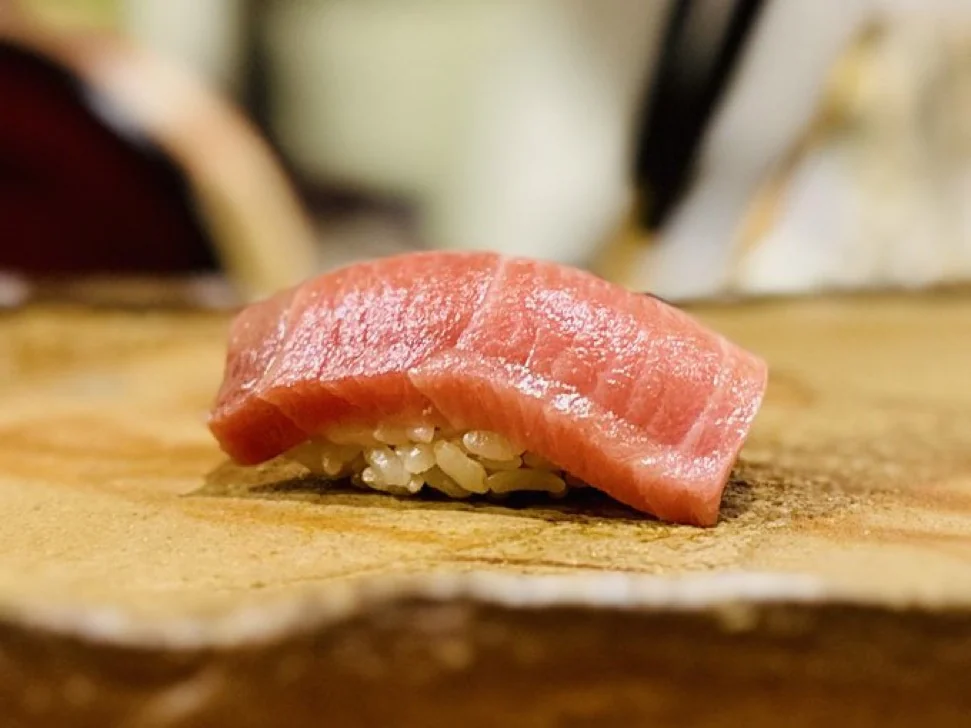
Classic Edomae Sushi Toppings
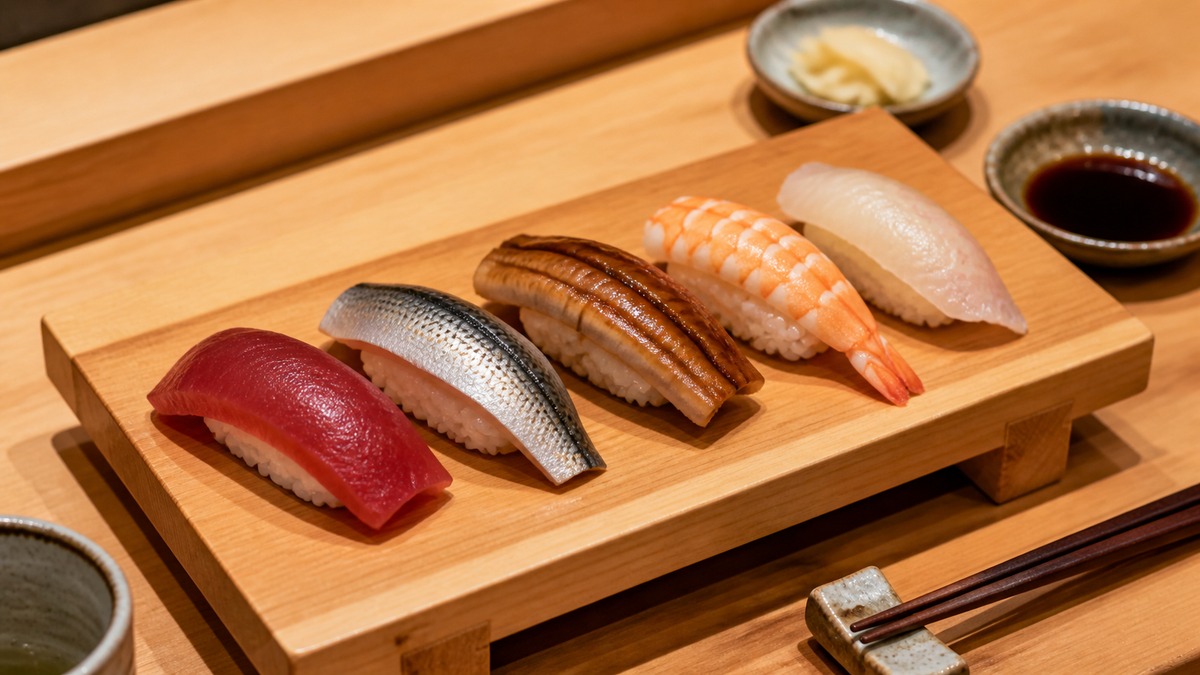
The selection changes with the season and the restaurant, but several toppings are closely associated with Edomae tradition:
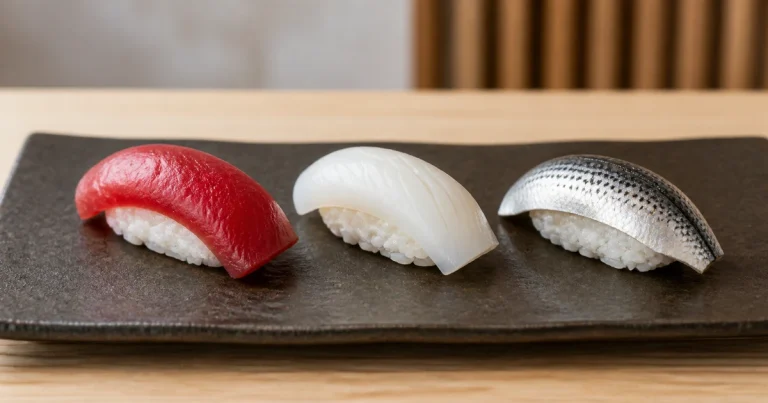
- Kohada: gizzard shad cured with salt and vinegar
- Akami zuke: lean tuna marinated in a soy-based sauce
- Anago: sea eel simmered until tender and finished with sauce
- Ebi: shrimp served cooked rather than raw
- Hamaguri or other shellfish: prepared according to texture and season
- Tamagoyaki: a seasoned Japanese omelet that can reveal a chef’s style
These examples also show why sushi and sashimi are not interchangeable. Sushi is built around seasoned rice and a prepared topping, while sashimi is served without sushi rice. Our guide to sushi vs. sashimi explains the distinction in more detail.
How Is Edomae Sushi Different from Other Sushi?
Edomae sushi is mainly associated with hand-shaped nigiri and Tokyo’s culinary history. Other Japanese regions developed their own styles, including pressed sushi, fermented sushi, and local varieties made with regional seafood or vegetables.
Modern nigiri served outside Tokyo may use Edomae techniques without being described explicitly as Edomae. Likewise, not every piece at an Edomae restaurant must come from Tokyo Bay. The style is better understood through its approach: preparing each ingredient so that the topping, rice, wasabi, and seasoning work together as one bite.
How an Edomae Omakase Builds Flavor
An Edomae omakase is not required to follow one fixed order, but many chefs build a progression from delicate to rich and then toward a calm finish. The day’s fish, the restaurant’s style, and the guest’s appetite can change the sequence.
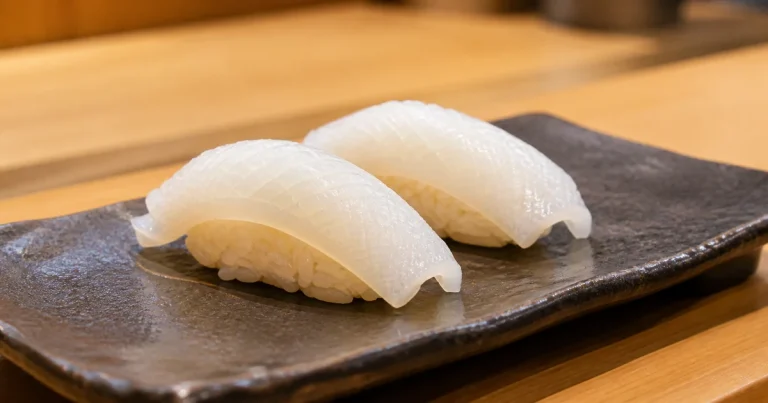
- Lean white fish and squid: tai, hirame, or ika introduce the rice, knife work, and restrained seasoning.
- Cured and silver-skinned fish: kohada, aji, or saba add vinegar, aroma, and a sharper rhythm.
- Tuna and richer pieces: akami zuke may lead into chutoro or otoro, followed by concentrated toppings such as uni. The progression is managed so fat does not flatten the palate too early.
- Simmered toppings: warm or gently reheated anago, finished with tsume, creates a soft landing after the richest fish.
- Tamagoyaki and soup: the final courses settle the meal and leave the aroma of egg, dashi, or miso rather than another peak of raw seafood.
This is a framework, not a law. A chef may place a shellfish between tuna courses, use a cucumber roll to refresh the mouth, or return to a lean fish after a rich piece. Read more about the distinction between cuisine and ordering format in What Is Omakase?
What Is Edomae Sushi Like Today?
Modern distribution allows Tokyo chefs to source seafood from around the world. Traditional techniques remain valuable because they concentrate flavor, control texture, and express seasonality.
Edomae sushi may be served as part of an omakase meal, but the terms are different. Edomae describes a sushi tradition; omakase means leaving the selection to the chef.
Traditional Edomae and Modern Casual Sushi
| Point | Traditional Edomae approach | Common casual or conveyor-belt approach |
|---|---|---|
| Main emphasis | Preparation and integration of topping, shari, wasabi, and seasoning | Accessibility, variety, recognizable toppings, and customer choice |
| Seasoning | The chef often applies nikiri, salt, citrus, or tsume before serving | The diner commonly adjusts soy sauce and wasabi |
| Rice | House vinegar blend, carefully controlled firmness and serving temperature | More standardized rice designed for consistency and volume |
| Ingredients | Strong association with cured, marinated, simmered, steamed, and seasonal toppings | May include salmon, mayonnaise, cheese, meat, and globally influenced combinations |
| Pacing | Pieces are commonly shaped and served one at a time | Several plates can be chosen and eaten in the diner’s preferred order |
These are tendencies rather than quality rankings. Conveyor-belt restaurants can handle fish carefully, and contemporary high-end chefs may use salmon or international ingredients. What makes a piece recognizably Edomae is the chef’s preparation logic and the intended unity of the bite—not nostalgia alone.
What the Chef Watches Across the Counter
At a small counter, service and cooking happen together. I watch how quickly a guest finishes each piece, whether conversation has slowed the meal, which hand reaches toward the plate, and whether the shari size appears comfortable. These observations are not a test of manners; they help me keep each piece close to its intended condition.
- Pacing: a guest eating quickly can be served with a brisker rhythm. A couple absorbed in conversation may need more space so the next piece does not wait too long on the counter.
- Shari size: a guest drinking sake or approaching fullness may receive a slightly smaller portion, while a hungry diner may prefer a more substantial piece.
- Seasoning: wasabi, salt, citrus, and nikiri can be adjusted when the chef understands a guest’s preference. Allergies and major restrictions, however, should be communicated when booking because much of the preparation begins well before service.
- Placement: some chefs angle a piece for a left-handed guest or position it so it can be lifted comfortably without squeezing the rice.
A freshly placed nigiri gradually changes as the rice settles, the topping warms, and the seasoning penetrates. There is no universal ten-second stopwatch, but eating it promptly preserves more of the texture and temperature the chef intended. If you need time for a photograph or conversation, a brief word to the chef is enough.
How to Enjoy Edomae Sushi
Taste each piece before adding soy sauce or wasabi because it may already be seasoned. Eat it reasonably soon to preserve the intended temperature and texture.
You may use your hands or chopsticks for nigiri. See How to Eat Sushi in Japan for a practical etiquette guide.
Questions Diners Ask About Traditional Edomae Sushi
Is Edomae sushi always raw?
No. Classic Edomae toppings may be marinated, cured, simmered, steamed, boiled, or cooked as an omelet. Even fish that looks raw may have received careful preparation.
Does Edomae sushi have to use fish from Tokyo Bay?
Historically, Edomae referred to seafood from the waters near Edo. Today, the term commonly describes the traditional Tokyo style and its techniques, even when ingredients come from elsewhere.
Is Edomae sushi the same as omakase?
No. Edomae is a style of sushi rooted in Tokyo. Omakase is a way of ordering in which the chef chooses what to serve. An omakase course may feature Edomae sushi, but the terms describe different things.
Edomae Sushi Is a Tradition of Preparation
Edomae sushi began as practical food for the people of Edo, but its preparation methods developed into a refined craft.
Every piece can reflect decisions about texture, temperature, rice, and balance—work connecting a modern sushi counter with the food culture of old Tokyo.
If this look behind the sushi counter deepened your appreciation of the craft, you can support Japan Food Compass on Ko-fi and help us continue sharing carefully researched guides and original kitchen stories.