Yuzu in Japanese Cooking: Aroma, Varieties, and Uses

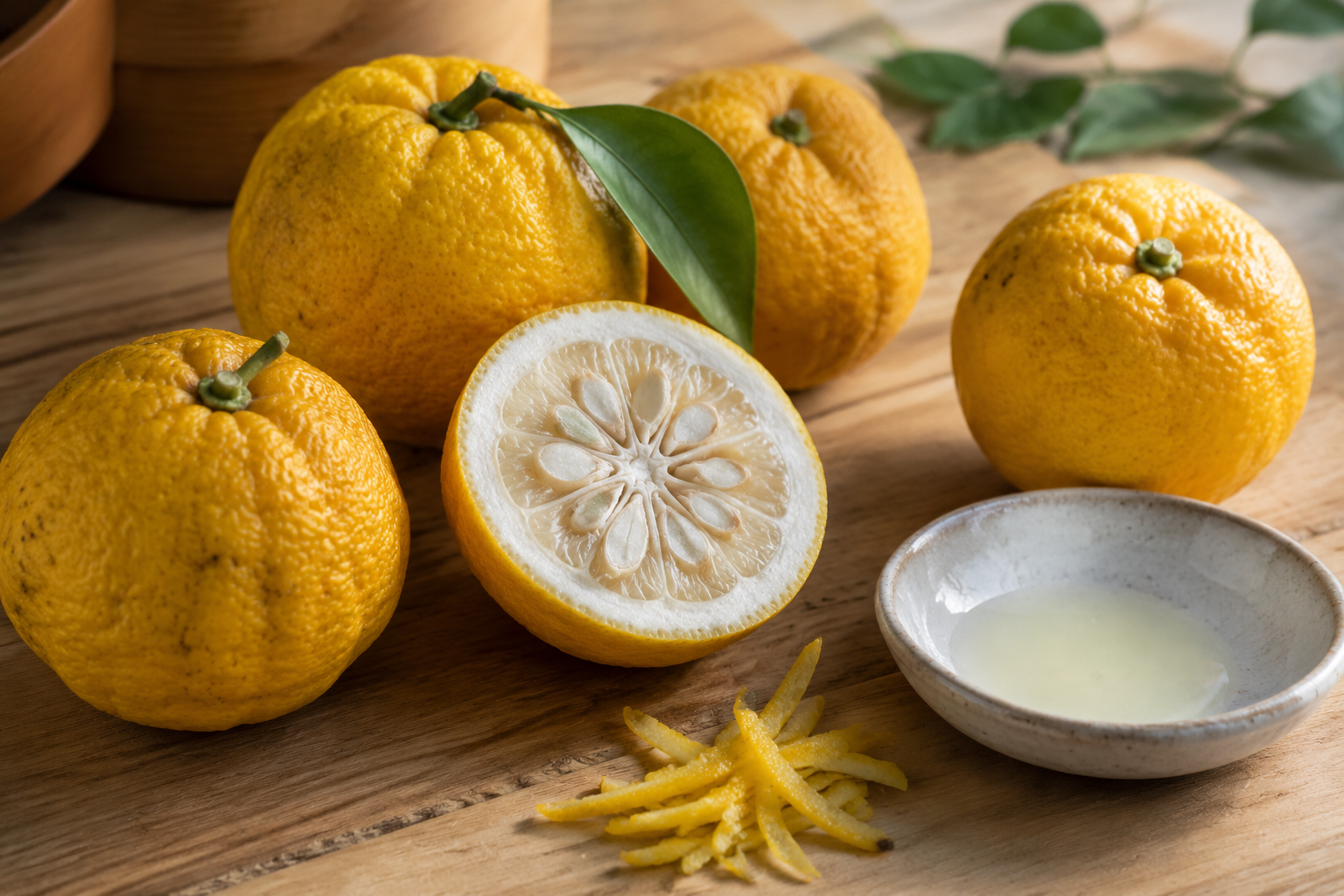
Fresh yellow yuzu fruits, including one cut open, with aromatic peel and yuzu juice

Yuzu is a highly aromatic citrus fruit used throughout Japanese cooking. Its juice is sharply tart, while its peel has a floral fragrance that can transform a clear soup, grilled fish, sauce, dessert, or drink with only a small amount. Unlike oranges and mandarins, fresh yuzu is rarely eaten by itself. The fruit contains relatively … Read more

Ponzu Explained: Citrus, Soy Sauce, and Practical Uses

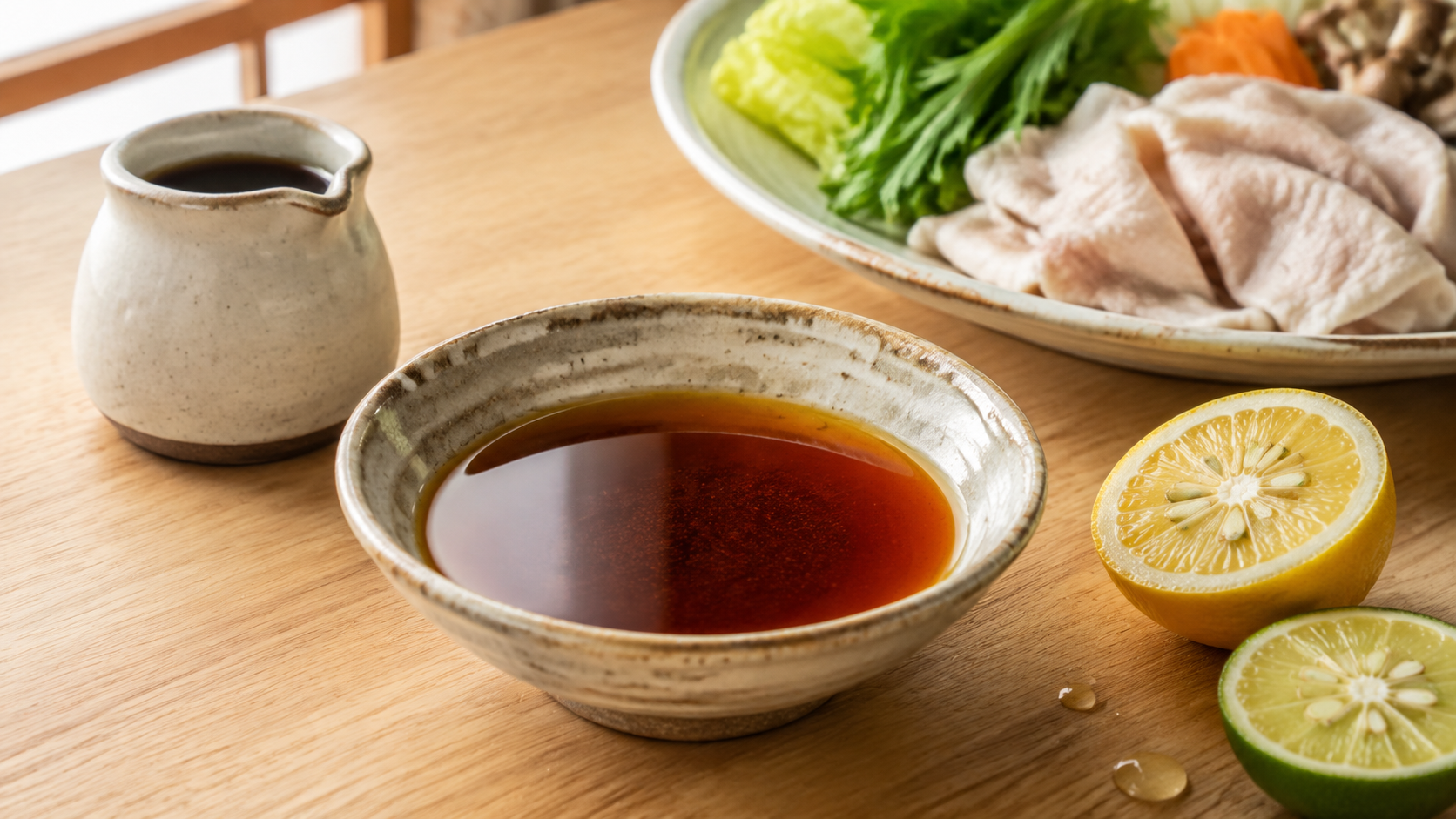
Ponzu sauce with Japanese citrus and cold shabu-shabu vegetables

Ponzu is a Japanese citrus seasoning known for refreshing acidity and aroma. The version most commonly sold outside Japan is a dark, soy-based sauce used with hot pot, sashimi, dumplings, cold meat dishes, vegetables, and salads. However, the word ponzu does not always describe exactly the same product. In a narrow sense, ponzu is a light citrus … Read more

Katsuobushi: How Bonito Flakes Build Japanese Dashi

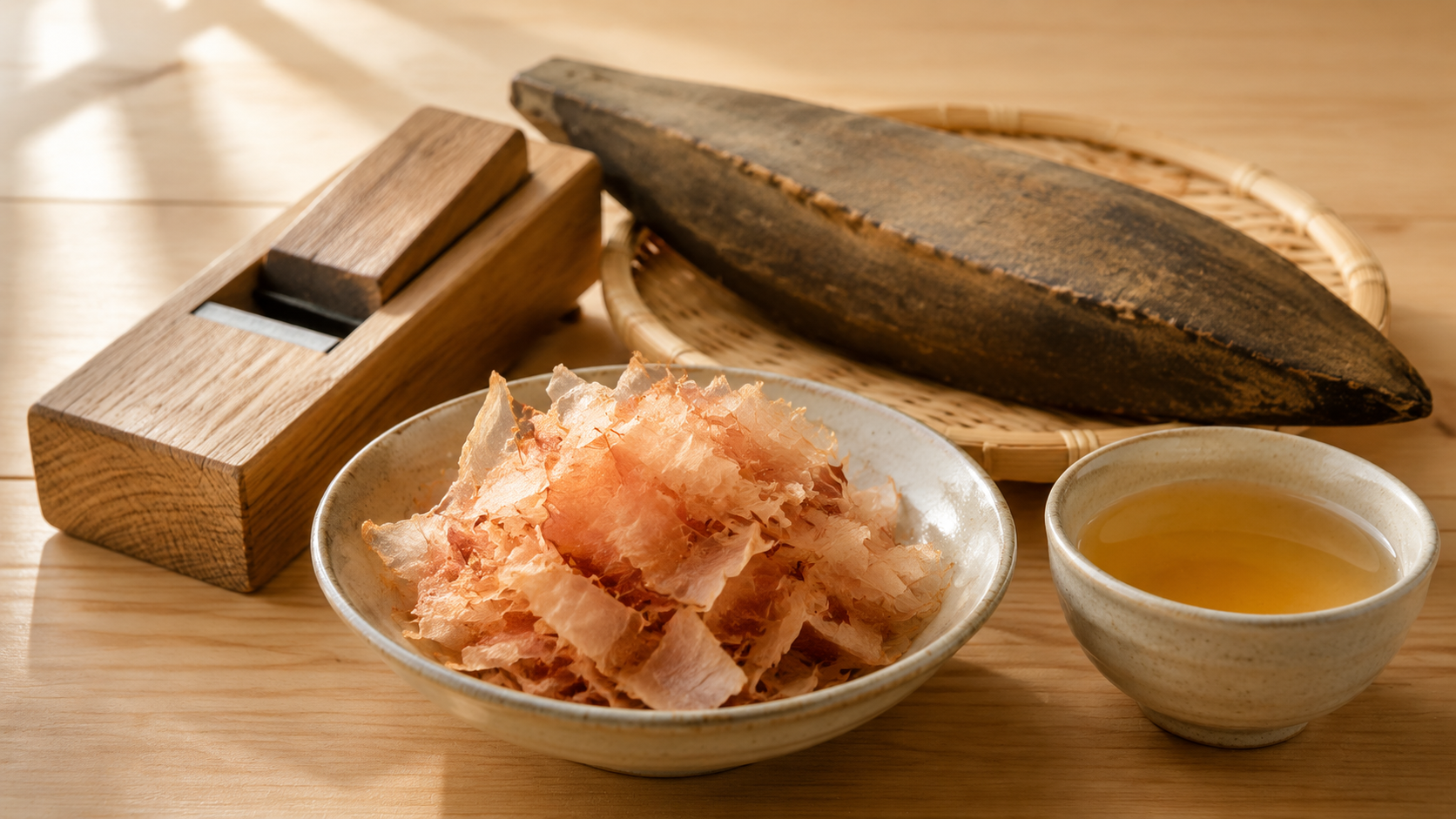
Katsuobushi block, wooden shaving tool, bonito flakes, and Japanese dashi

Katsuobushi is dried, smoked, and sometimes mold-matured fish shaved into the delicate pieces called bonito flakes. The flakes flavor Japanese dashi and are also eaten on tofu, rice, vegetables, noodles, and savory pancakes. Similar-looking packages may contain smoky arabushi, refined karebushi, or mixed flakes made with other fish. Shaving thickness also changes how the product … Read more

Kombu: The Kelp Behind Dashi and Umami

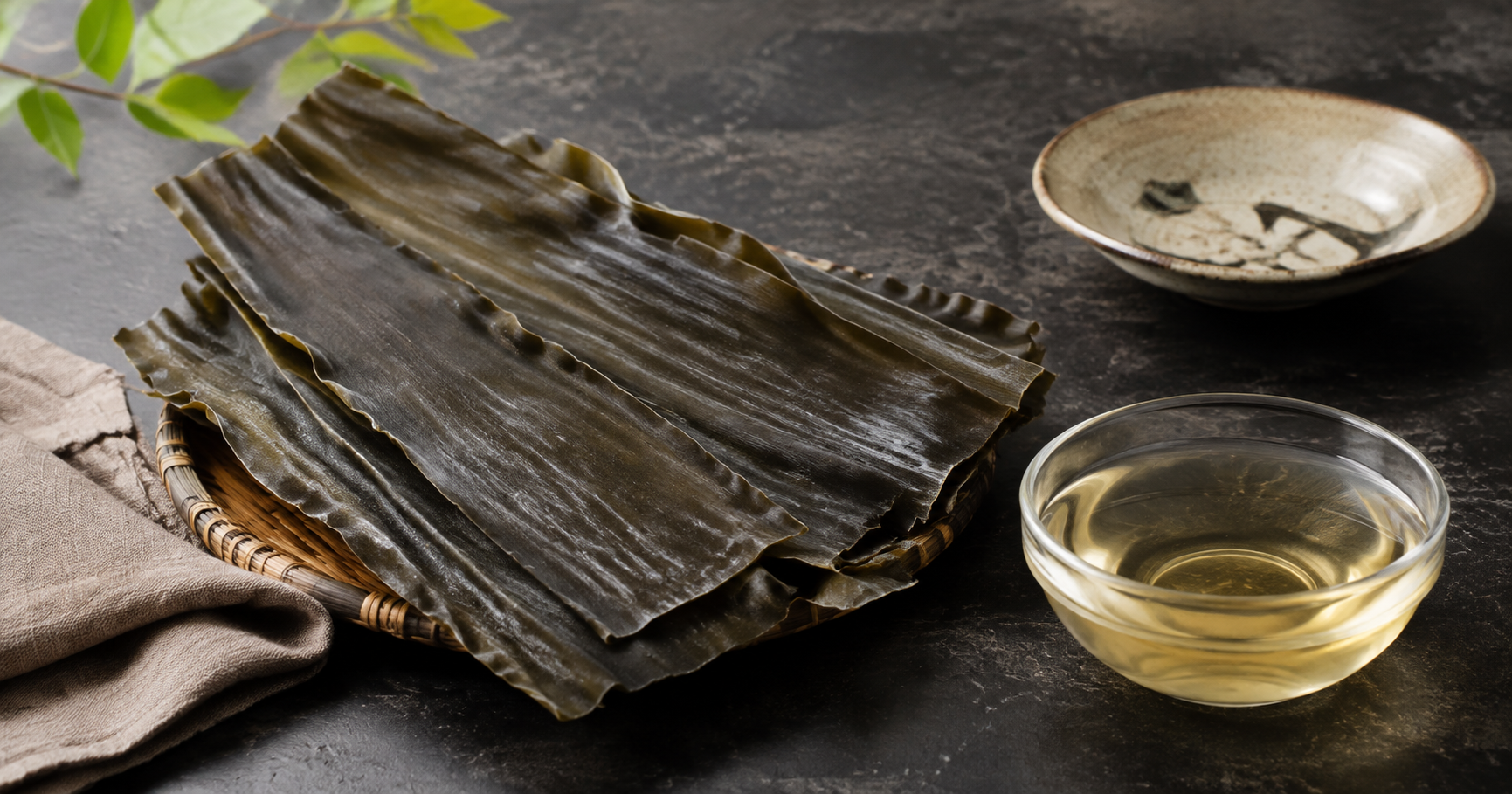
Dried Japanese kombu seaweed beside a bowl of pale golden kombu dashi

Kombu is the thick, dried kelp that gives many Japanese dishes a deep but unobtrusive savory flavor. It is best known as an ingredient in dashi, but it is also simmered, wrapped around fish, cut into fine shavings, and used to season rice and vegetables. Major growing areas produce varieties with different thicknesses, textures, and … Read more

Nori Guide: Types, Quality, and Uses in Japanese Food

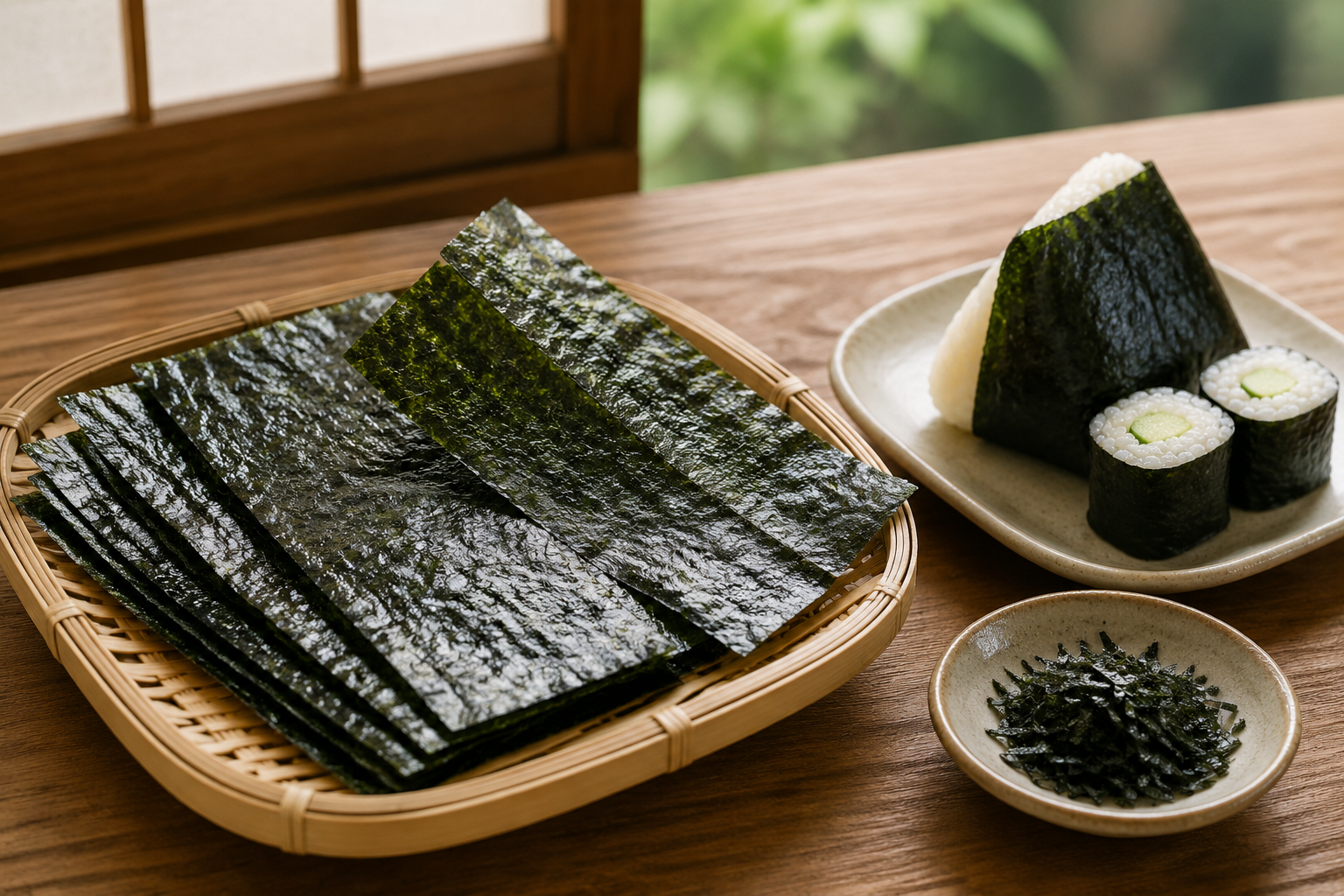
Roasted Japanese nori sheets with onigiri, maki sushi, and shredded nori

Nori is the thin, dark seaweed most closely associated with sushi rolls and onigiri. When it is fresh and dry, it can be crisp, delicate, and aromatic, with a mild ocean flavor and noticeable umami. However, the word nori can describe several products. Some sheets are dried, some are roasted, and others are seasoned with … Read more

Mirin Explained: Hon Mirin, Seasonings, and Cooking Uses

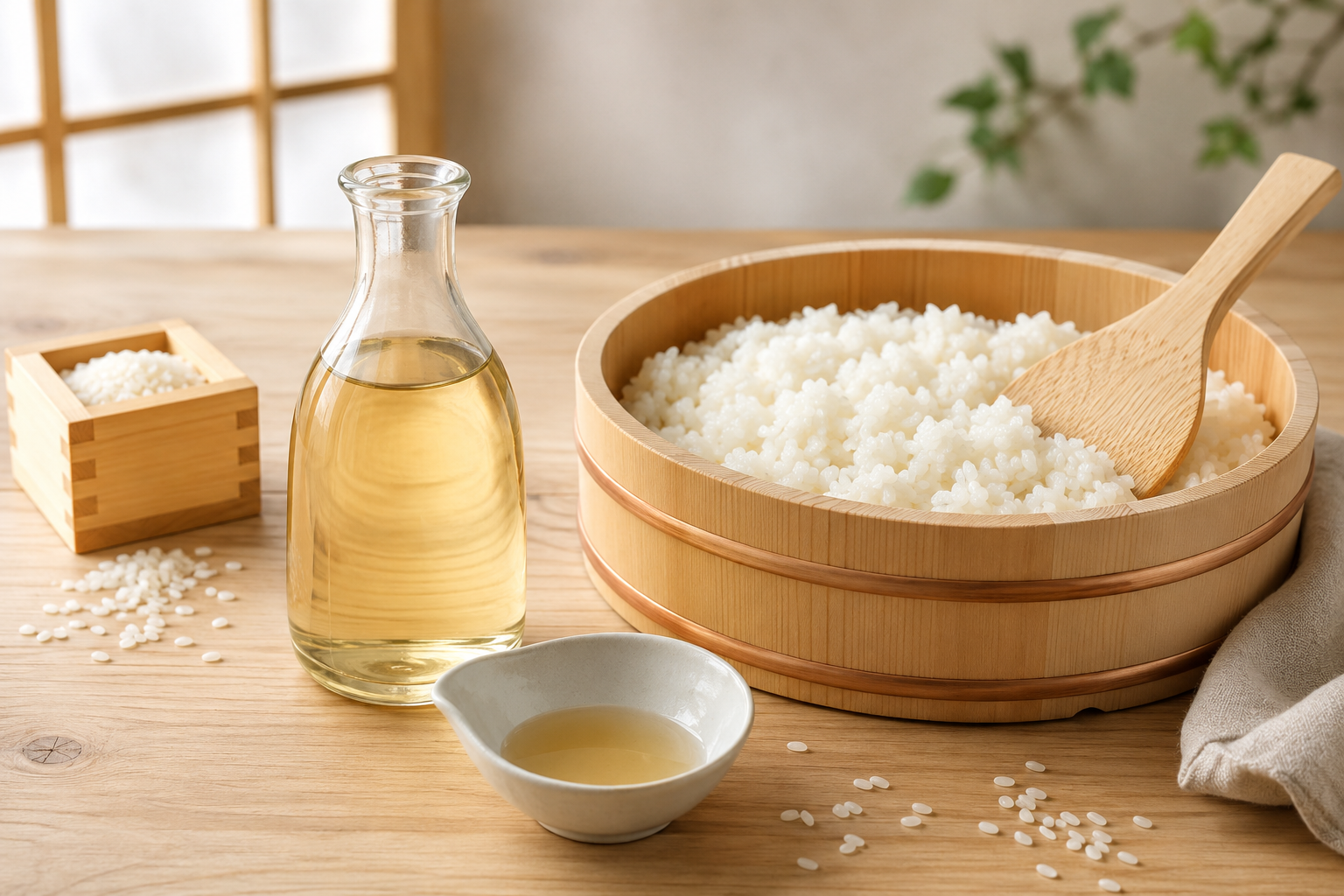
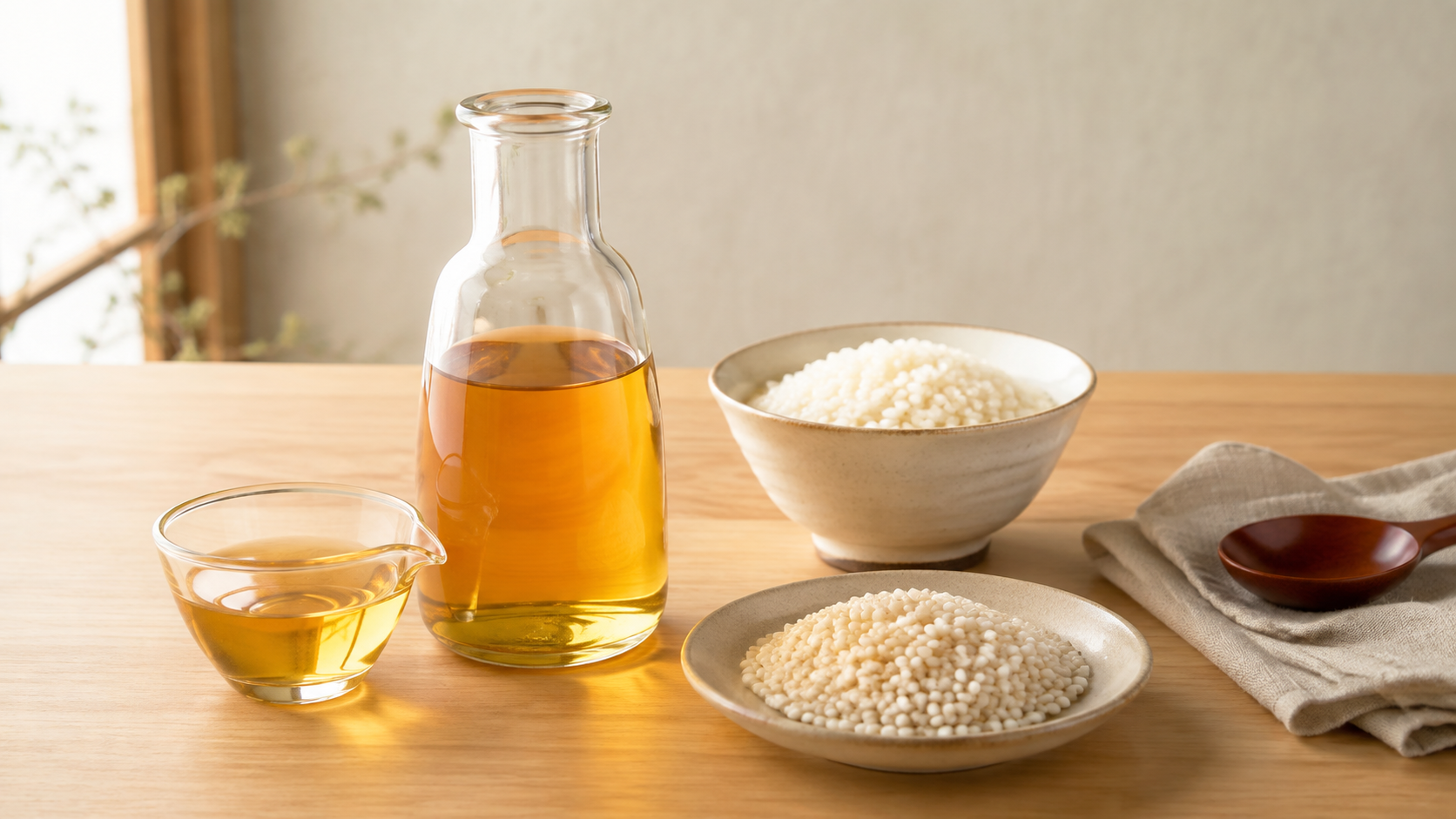
Traditional hon mirin with glutinous rice and rice koji on a wooden table

What is mirin? Mirin is a sweet Japanese rice seasoning used to add depth, aroma, and a glossy finish to cooked food. Authentic hon mirin contains alcohol and is traditionally made from glutinous rice, rice koji, and shochu or another distilled alcohol. It is not simply sugar water, sweet soy sauce, or a type of sake. Products sold … Read more

Koji: The Fermentation Culture Behind Miso, Sake, and More

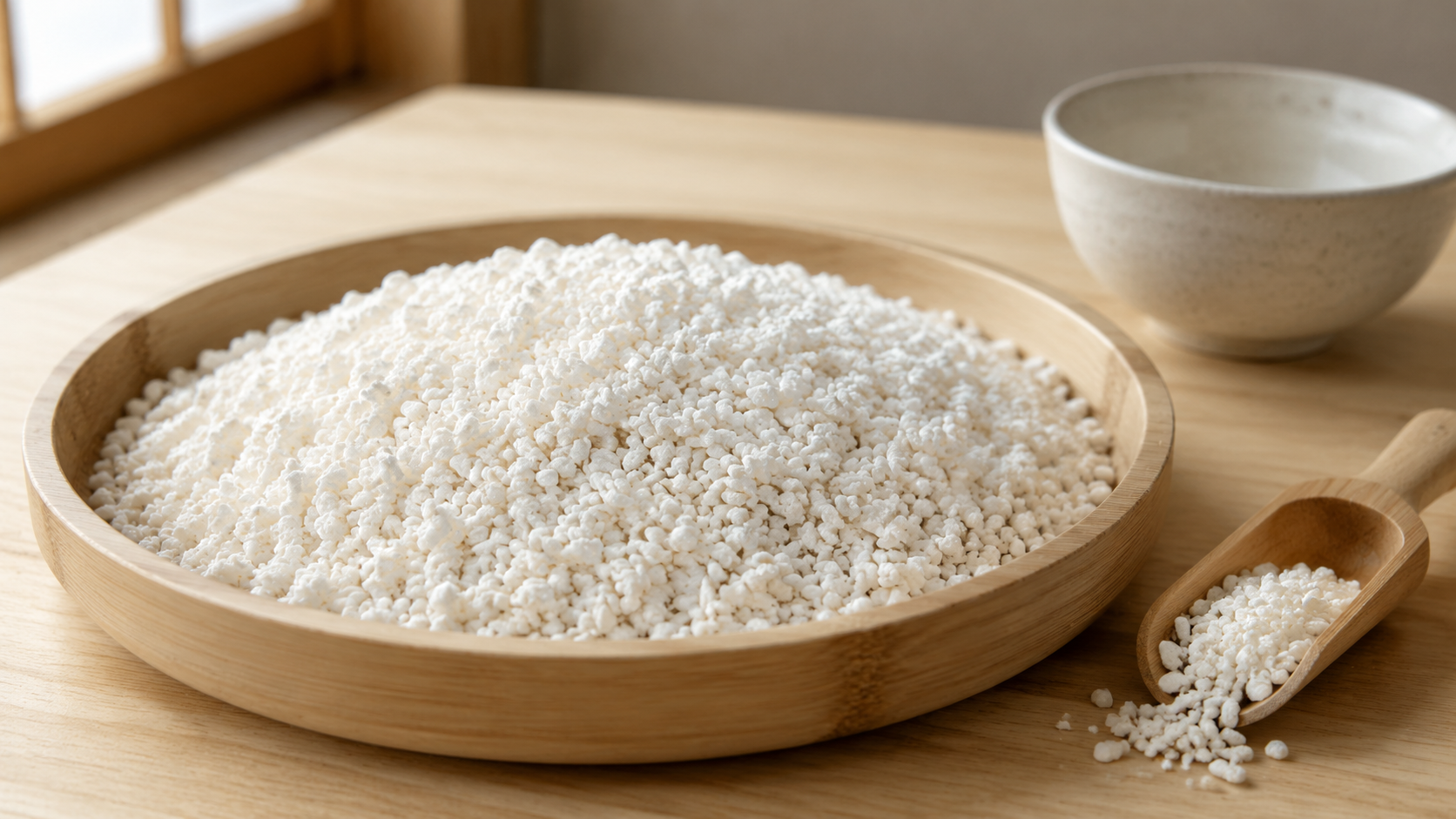
White rice koji in a wooden tray with a small wooden scoop

Koji is rice, barley, or soybeans cultivated with a food-safe mold, most commonly Aspergillus oryzae. It is one of the foundations of Japanese fermentation and helps create miso, soy sauce, sake, mirin, amazake, and many other foods. Koji is sometimes described as a fermentation starter, but it is more precise to think of it as an enzyme-rich … Read more