Learning how to eat sushi in Japan should make a meal more comfortable, not turn it into an etiquette test. At a sushi counter, the most useful habits are simple: choose a way of eating you can control, eat a piece while it is in its intended condition, and tell the chef about anything you cannot eat.
I have served guests with very different levels of experience, including travelers who were worried about making a mistake. From the chef’s side of the counter, rigid rules matter far less than clear communication.
Good Sushi Manners Protect the Intended Bite
From my side of the counter, manners are useful when they preserve flavor, temperature, texture, or consideration for another person. They are not a collection of traps for inexperienced diners. If a custom makes someone anxious, causes them to drop the sushi, or prevents them from explaining an allergy, it has stopped serving its purpose.
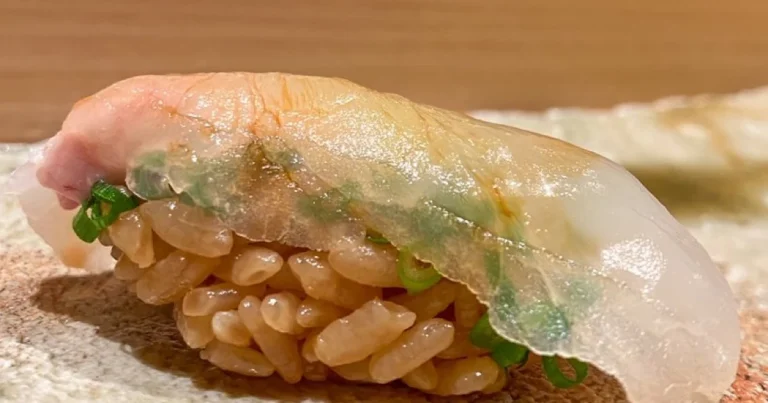
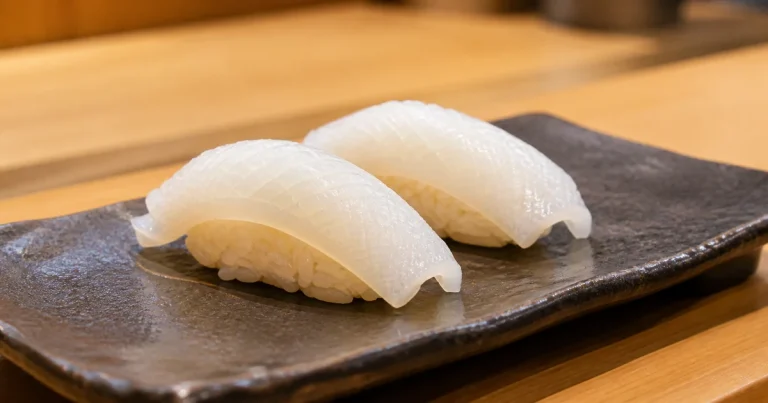
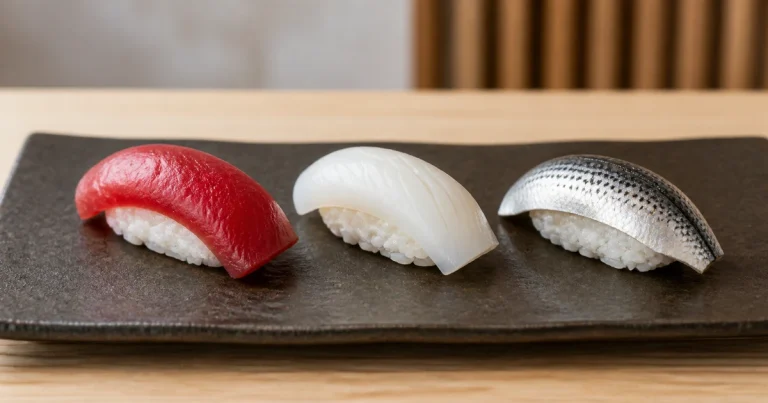
A piece of nigiri is a small composition. The topping’s thickness, the rice volume, the air held between the grains, the amount of wasabi, and the surface seasoning are planned to meet in the mouth. This is the practical reason behind many familiar suggestions: lift it gently, avoid soaking the rice, eat it while its condition is right, and try to take the piece as one bite when comfortable.
Begin With the Piece the Chef Has Just Served
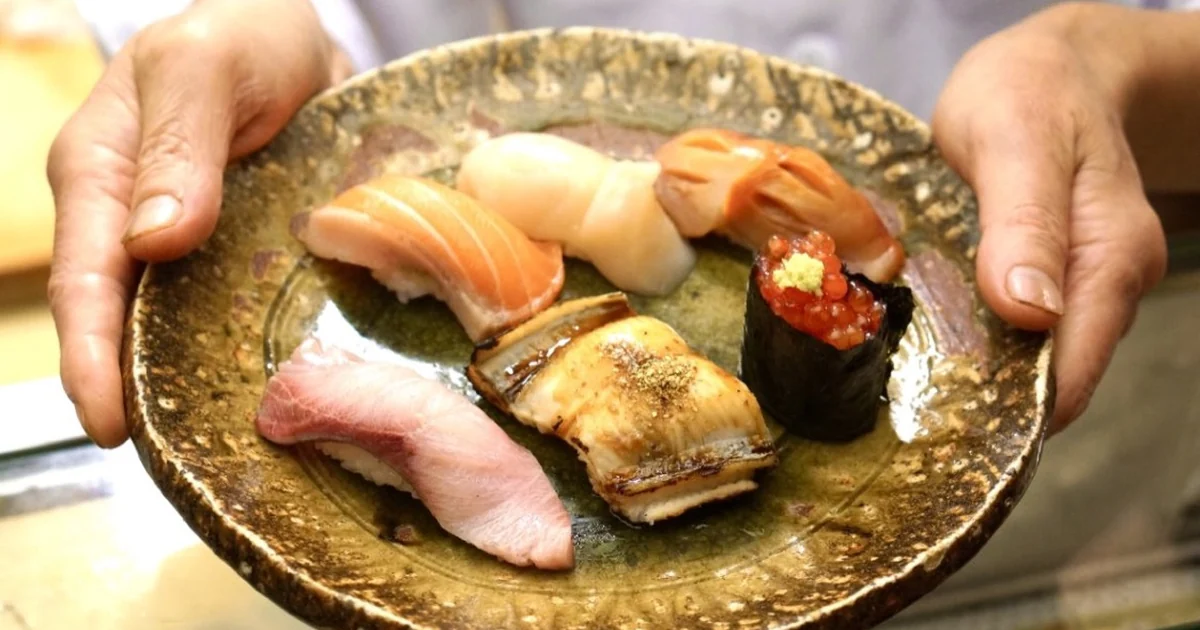
At a counter, nigiri may be placed directly in front of you one piece at a time. Try to eat it reasonably soon. The chef may have considered the temperature of the shari, the texture of the topping, and the timing of a brushed sauce or a crisp sheet of nori. Leaving the piece for a long conversation or a series of photographs can change that balance.
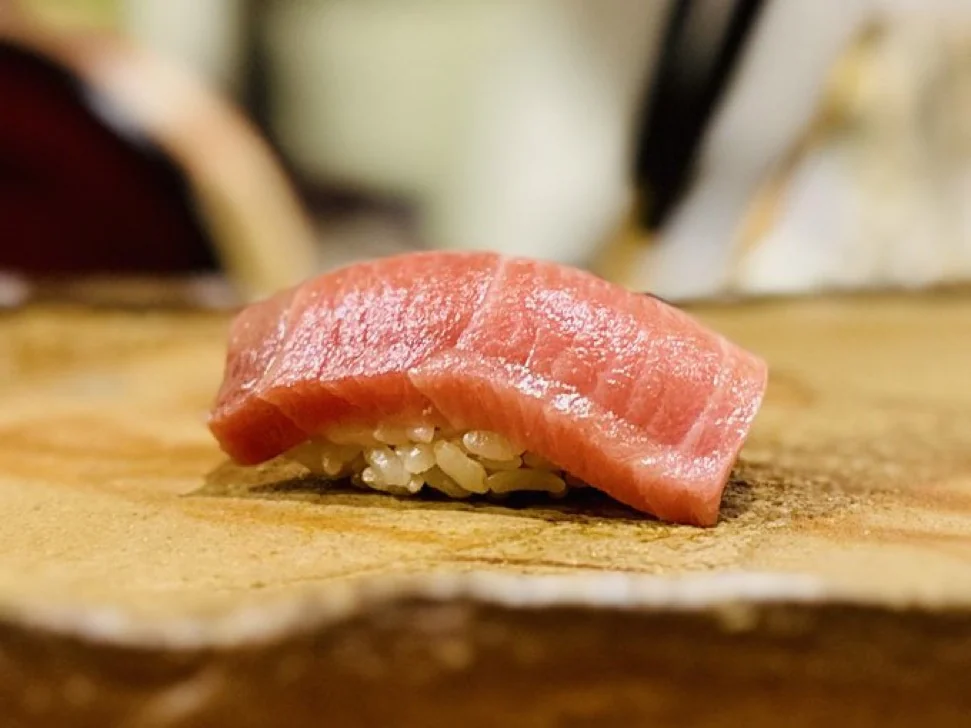
A common difficulty is taking half a bite and trying to cut through the sushi with your teeth. The topping can pull away, rice can fall, and the second half may no longer have the same balance. Nigiri is generally shaped to be eaten in one bite. However, forcing down a piece that feels too large is not the answer.
Ask for smaller rice portions: “Shari o sukoshi chiisaku dekimasu ka?” means “Could you make the rice a little smaller?” In my own service, I sometimes begin with slightly smaller shari when a guest has requested lighter portions or seems more comfortable with a smaller first piece, then ask whether they would like the next pieces larger. This is one way of adjusting service; the important principle is to shape sushi for the individual diner rather than making assumptions based on gender.
Hands or Chopsticks: Use the Method You Control
Nigiri can be eaten with clean fingers or chopsticks. I do not mind which method a guest chooses. Use the one that lets you lift the piece without squeezing the rice or dropping the topping.
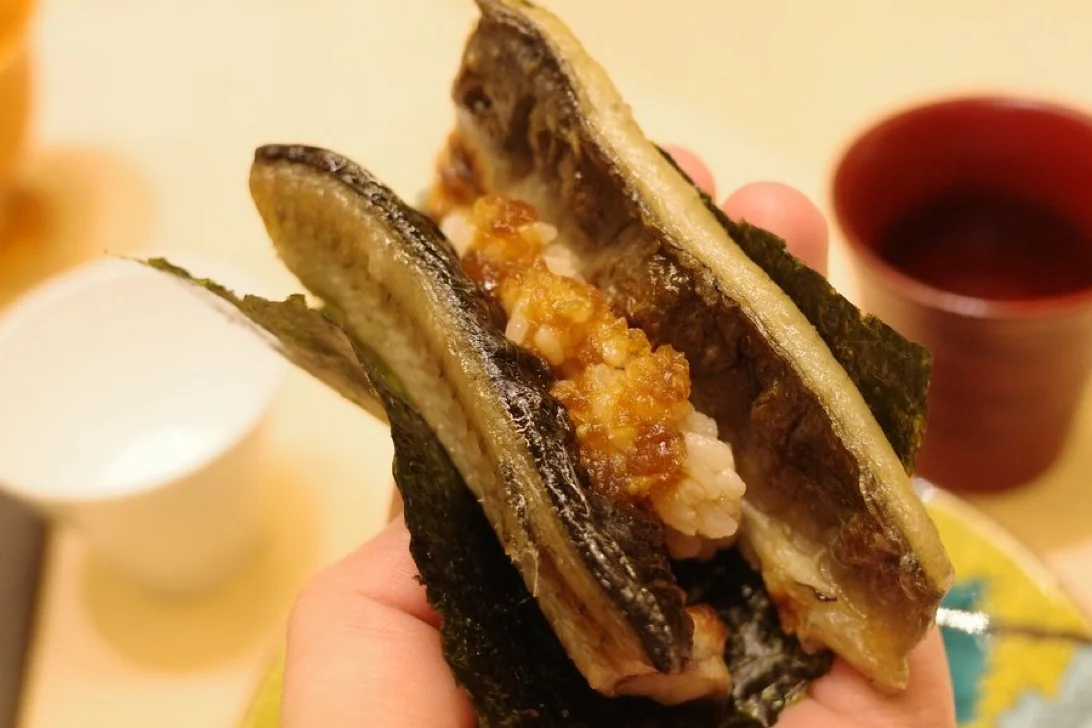
Sushi wrapped in nori is often especially easy to eat by hand. Pick it up gently and eat it before the seaweed loses its crispness. If chopsticks feel more comfortable, use them. A fork can also be requested when needed; enjoying the meal neatly is more important than pretending to have a skill you do not have.
How I Recommend Lifting Nigiri
With clean fingers, touch the sides lightly with the thumb and middle finger and steady the topping with the index finger if necessary. The goal is not to pinch the center of the rice. The slight warmth of the shari can be felt at the fingertips, but this is an added sensory detail rather than a requirement for appreciating sushi.
With chopsticks, pushing down from the top can separate the topping or compress a loosely formed shari. A practical method is to roll the nigiri gently onto its side, then support the topping and rice together between the chopsticks. Use only enough pressure to keep the piece secure. If that maneuver feels less stable than lifting it normally, choose the method you control; there is no prize for an elaborate grip.
For either method, bring the whole piece steadily to the mouth rather than holding it in the air. Some diners turn the topping toward the tongue, while others eat it in the orientation in which it was lifted. Both can work. The important result is that the topping and rice arrive together without being crushed.
Let the Existing Seasoning Guide You
Before reaching for soy sauce, look at the sushi. At many chef-led counters, a piece arrives already brushed or otherwise seasoned. Taste it as served unless the chef says otherwise. Adding more soy sauce immediately can hide a delicate topping and change the balance of the rice.
When soy sauce is provided for dipping, touch the topping to it lightly rather than soaking the rice. Rice absorbs liquid quickly and may fall apart. Gunkan and loose toppings can be awkward to turn over; follow the restaurant’s setup or ask rather than dismantling the piece.
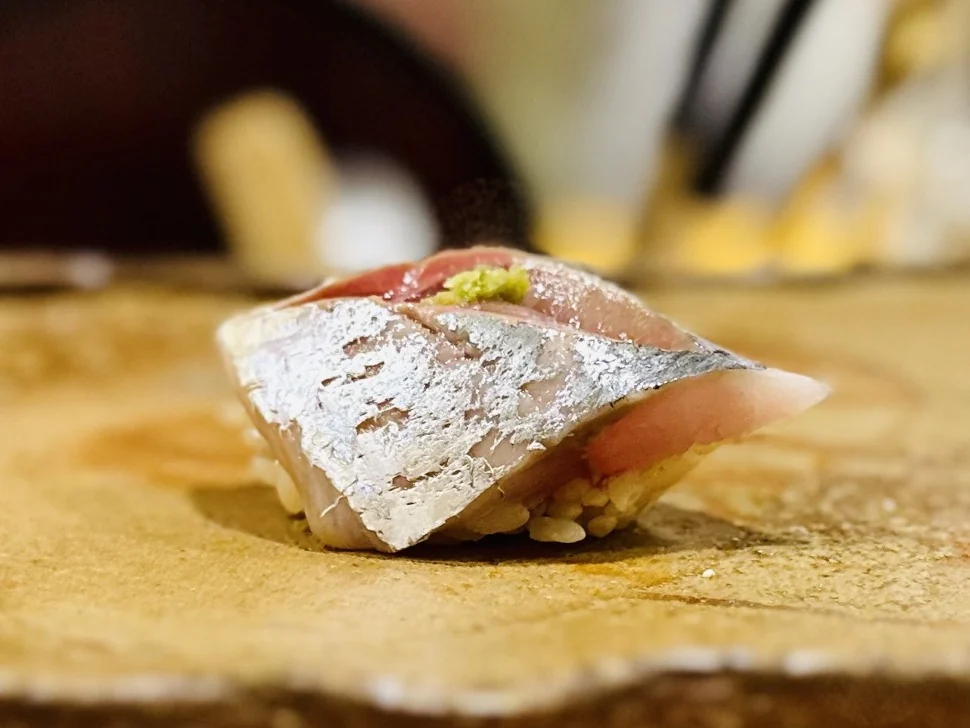
Wasabi is commonly placed between the topping and rice, and the amount may change with the fish. Pickled ginger, or gari, refreshes the palate between pieces rather than serving as a topping. The chef can adjust wasabi when you ask.
Why One Bite Usually Works Best
When I shape a piece, I am not measuring with a ruler, but I am continuously judging millimeters: how far the topping extends, how thickly it is cut, how much rice it can carry, and when the two will begin to break apart. Biting a piece in half can pull the topping away and leave the second half with a different ratio of rice, wasabi, and sauce.
“One bite” is therefore guidance for experiencing the composition, not a demand to overfill the mouth. Ask for smaller shari before the next piece if needed. Cutting nigiri in half is sometimes possible, but it is better to ask the chef because very soft fish, loose rice, gunkan, and crisp nori may not divide cleanly.
Gari and Tea Reset the Palate in Different Ways
Gari is best eaten in a small amount between pieces. Its sweetness, acidity, ginger aroma, and crispness can clear the lingering impression of fatty fish or sauce before a more delicate topping arrives. I do not recommend piling it onto every nigiri because its flavor can overpower the seasoning already chosen for that piece. Although ginger and vinegar have antimicrobial properties, table-side gari should be understood as a condiment and palate refresher—not as protection against unsafe fish.
Warm green tea provides a different reset. Heat, slight bitterness, and astringency can make the mouth feel refreshed after toro, uni, anago, or another rich item. Take a sip when it helps; drinking after every piece is unnecessary and may interrupt the flavor progression.
The restaurant term agari is sometimes introduced to travelers as the “correct” word for tea, but guests do not need to use kitchen or service jargon. Asking for ocha is natural and clear. At some counters tea is brought near the end, while at others it is available throughout the meal.
The First Moments Matter, but There Is No Ten-Second Test
In service, I want a guest to eat soon after the piece reaches the counter. During those first moments, warm rice still holds its intended structure, brushed nikiri has not soaked too far into the surface, and freshly wrapped nori remains crisp. A long photo session can change all three.
Ten seconds is a useful image for immediacy, not an etiquette stopwatch. Finish chewing safely, listen if the chef is explaining the topping, and wait if you need to. One quick photograph is usually easy to accommodate when the restaurant permits it; the practical aim is simply not to leave a completed piece waiting while its temperature and texture decline.
The Counter Is a Conversation
An omakase meal is not a silent examination. The chef watches how quickly you eat, whether the rice size suits you, and which flavors you enjoy. You can say that a piece is too large, request less wasabi, or explain that you dislike shellfish or oily fish. Guests tell us those preferences fairly often.
State an allergy separately from a dislike. “I do not like mackerel” and “I have a fish allergy” require very different responses. If an allergy is serious, contact the restaurant before booking and ask whether separate tools and surfaces are possible. A small sushi counter may use the same knives, boards, hands, sauces, and workspace for many ingredients.
Religious Diets and Vegan Requests Need Advance Planning
Visitors may come from cultures where religion and food are closely connected. Many people in Japan will try to communicate flexibly and welcome overseas guests. Still, goodwill is not the same as halal certification, a vegan kitchen, or freedom from cross-contact.
A conventional sushi restaurant is built around seafood. Even vegetable sushi may share preparation surfaces or contain seasoning made with fish-based dashi. Mirin, sake, gelatin, meat products, and other ingredients may matter for religious or ethical diets. Requirements also differ among Muslim, Hindu, vegetarian, and vegan diners, so a broad label is less useful than a precise list of ingredients you avoid.
Speaking honestly, a request for a fully vegan course can be difficult for an ordinary sushi counter to accommodate without notice. Choose a restaurant that explicitly offers the service, contact it in advance, and explain whether your concern includes broth, sauces, alcohol used in cooking, shared utensils, or cross-contact. The Japan National Tourism Organization provides planning guides for vegetarian and vegan travelers and Muslim travelers.
Photography and Fragrance Affect Other People
Photography is usually manageable when it does not interrupt service or capture other guests’ faces. Keep the camera within your own space, avoid making the chef wait, and ask before photographing staff or a restaurant that appears private. Individual house rules always come first.
Strong perfume can be more disruptive than a small etiquette mistake. Sushi depends on subtle aromas, and a heavy fragrance can affect the person seated beside you. Avoid strong perfume or cologne when visiting a serious counter.
Casual Sushi Gives You More Room to Explore
Conveyor-belt restaurants and casual shops are generally more relaxed. Follow the ordering screen or the restaurant’s instructions, do not return a plate after taking it from the belt, and keep used dishes where staff expect them. At any restaurant, ask before assuming that a custom is universal.
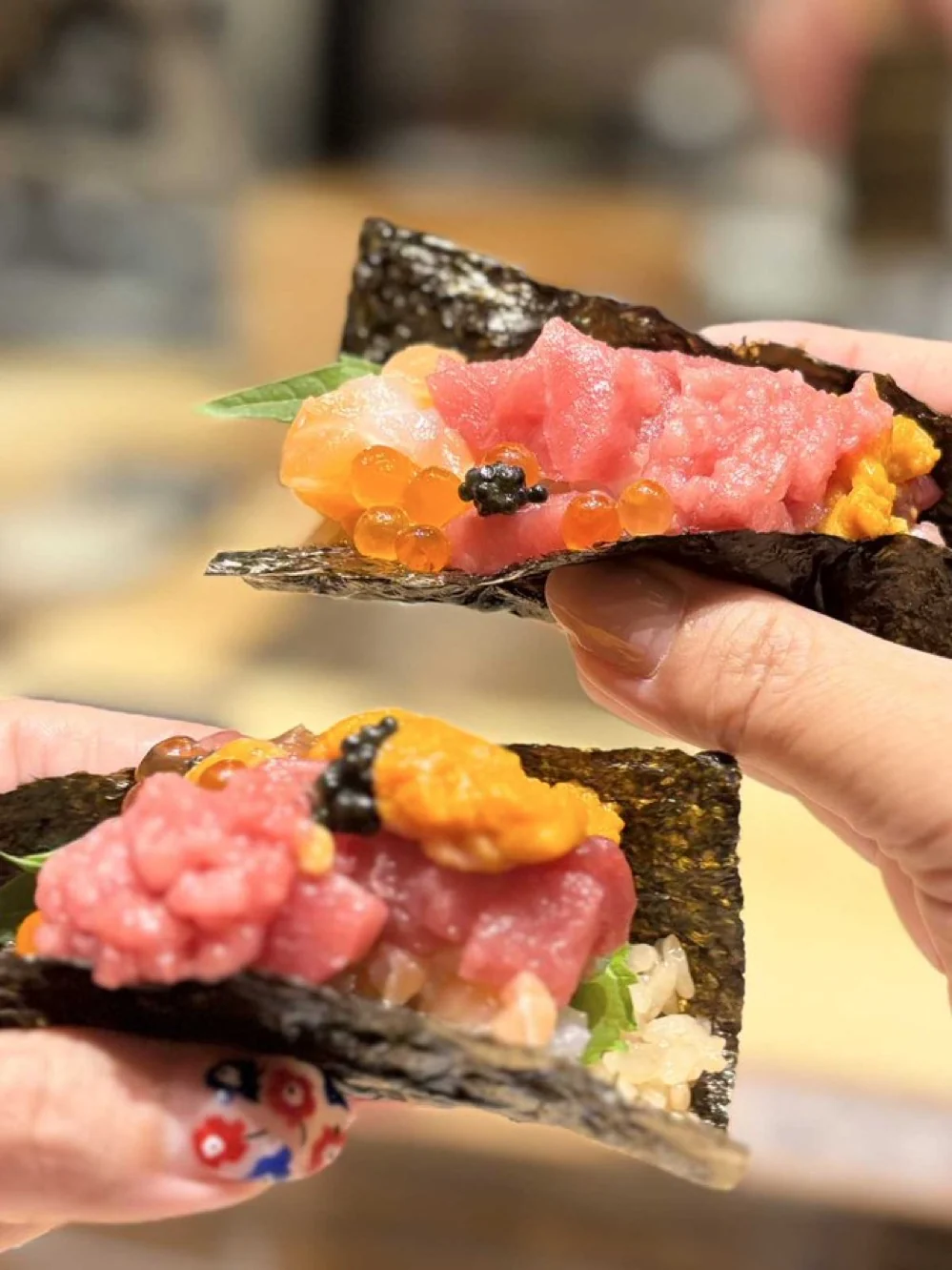
Understanding what makes sushi different from sashimi and how chefs manage sushi rice temperature will help you notice more than manners. The rice, topping, seasoning, texture, and timing are meant to meet in one bite.
What I Hope Overseas Guests Remember
You do not need to arrive knowing every rule. Eat in the way you can manage, say what you cannot eat, and let the restaurant tell you what it can provide. If a piece feels too large, ask for smaller shari rather than struggling to bite it in half. If a requirement is essential, discuss it before the meal instead of relying on assumptions.
Japan’s dining culture can feel unfamiliar, but many chefs and restaurant staff genuinely want visitors to enjoy their food. Clear communication gives both sides the best chance to create a comfortable meal. Come with curiosity rather than fear, and remember that consideration for the food, the staff, and the people beside you matters more than perfect technique.
Related Guides for a Better Sushi Counter Experience
- How sushi changes from spring kasugo to winter buri
- Why sushi chefs adjust shari temperature
- How knife work changes squid texture
If this look behind the sushi counter deepened your appreciation of the craft, you can support Japan Food Compass on Ko-fi and help us continue sharing carefully researched guides and original kitchen stories.