Omakase is not a request for the chef to make whatever you order, one piece at a time. The word comes from the Japanese verb meaning “to entrust.” At a sushi restaurant, you entrust the selection, sequence, seasoning, and timing of the meal to the chef.
That trust does not make the diner invisible. From my experience serving sushi guests, a good omakase is planned around the day’s ingredients and then adjusted by watching the person at the counter. The chef considers flavor intensity, appetite, eating pace, conversation, rice size, wasabi, and any restrictions disclosed before the meal.
What Omakase Means at a Sushi Counter
In practical terms, omakase means that the chef decides what to serve from the ingredients available that day. It may be a nigiri-only sequence, or it may include small dishes, sashimi, grilled or simmered food, soup, a roll, and tamagoyaki. The format varies by restaurant, so the word alone does not tell you the number of courses or the price.
Japan’s official tourism guidance describes omakase as giving the chef control of the meal. Web Japan goes one step further and describes the idea as a relationship of trust. That is a useful distinction: you are not only buying individual pieces of seafood. You are asking the chef to connect them into a meal.
The Course Begins Before the Guest Sits Down
From the chef’s side of the counter, omakase begins long before the words “I’ll leave it to you” are spoken. The first draft is written during purchasing and preparation. I examine fat, moisture, firmness, aroma, and how each fish has changed since it was landed. That condition—not prestige or price alone—determines whether a fish should be served today, cured more firmly, marinated, rested, or saved for another service.
A mackerel with more moisture may need a different salting and vinegar time from the previous day. A sea bream that is still very firm may be useful for its clean texture, while another fish may become more expressive after controlled resting. The rice, nori, simmered items, sauces, and warm dishes also have their own service windows. By opening time, I therefore have a set of prepared “cards,” but not one unchangeable script.
This is why a same-day request has practical limits. Fish already bought and work that requires hours cannot instantly be replaced. I will use the available preparations to accommodate a guest where I reasonably can, but promising unlimited substitution would be dishonest—especially at a small counter with little excess inventory.
Omakase as a One-Night Improvisation
I think of the service as a live performance with a rehearsed structure. The day’s preparation provides the score; the guests provide the tempo. The broad flavor arc may already be decided, but the size of the rice, strength of wasabi, spacing between pieces, and sometimes the order of two suitable items can change after I see how the meal is being received.
| Stage of the meal | Typical role | What I am judging |
|---|---|---|
| Tsumami and warm dishes | Settle the guest into the counter, support drinks, and introduce the day’s ingredients | Appetite, drinking pace, conversation, and response to seasoning |
| Delicate nigiri | Establish the rice and begin with clarity | Rice size, wasabi tolerance, chewing pace, and preferred texture |
| Cured and aromatic pieces | Add acidity, fragrance, and rhythm | Whether the diner enjoys brighter salt and vinegar or needs restraint |
| Rich and concentrated pieces | Create the flavor peak with tuna, uni, roe, sauce, or fat | Whether richness still feels exciting or the palate needs relief |
| Roll, anago, tamago, and soup | Bring the course to a comfortable landing | Fullness and whether the guest wants an additional piece |
This sequence is my working image, not a universal law. Some restaurants begin directly with nigiri; some interweave cooked dishes; some save uni for a different point or omit it entirely. A convincing omakase has an intelligible progression even when its exact order differs.
How a Chef Builds the Flavor Progression
There is no single compulsory order for every sushi restaurant. My own working image is a progression from delicate flavors toward greater fat, seasoning, and impact, followed by items that settle the meal.
1. Begin With Delicate Flavors
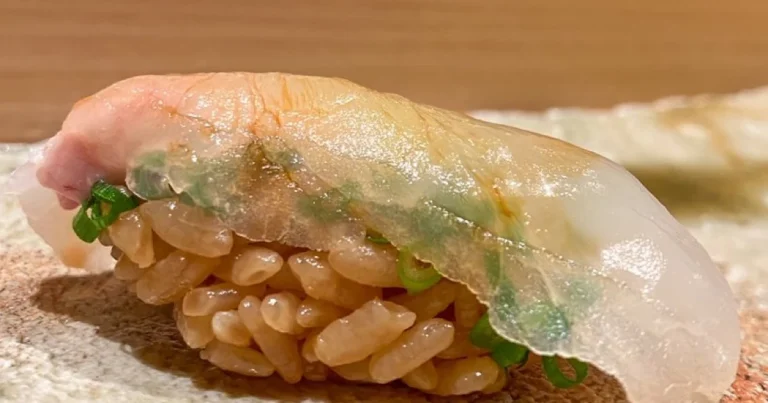
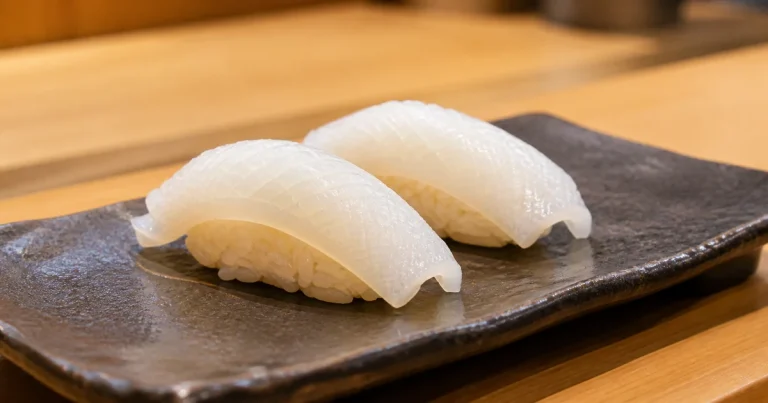
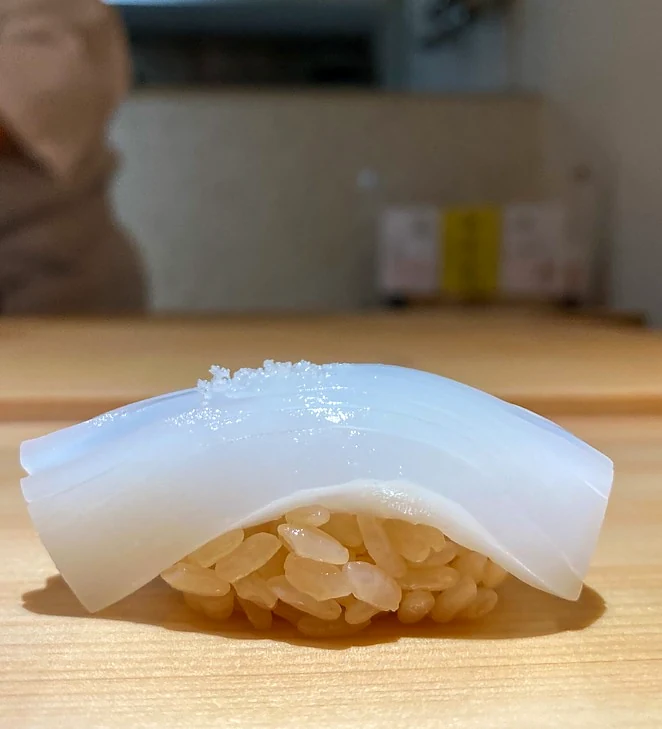
The opening should let the diner notice the rice and the restrained sweetness or texture of a light topping. Squid, white fish, or another mild ingredient may work here, depending on the season and preparation. A quiet first piece also gives the chef an early chance to see whether the rice size and wasabi level suit the guest.
2. Add Brightness With Silver-Skinned, Lean, or Vinegar-Cured Fish
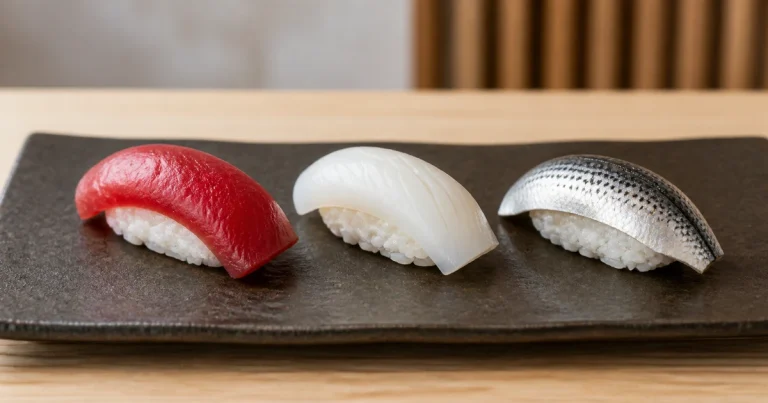
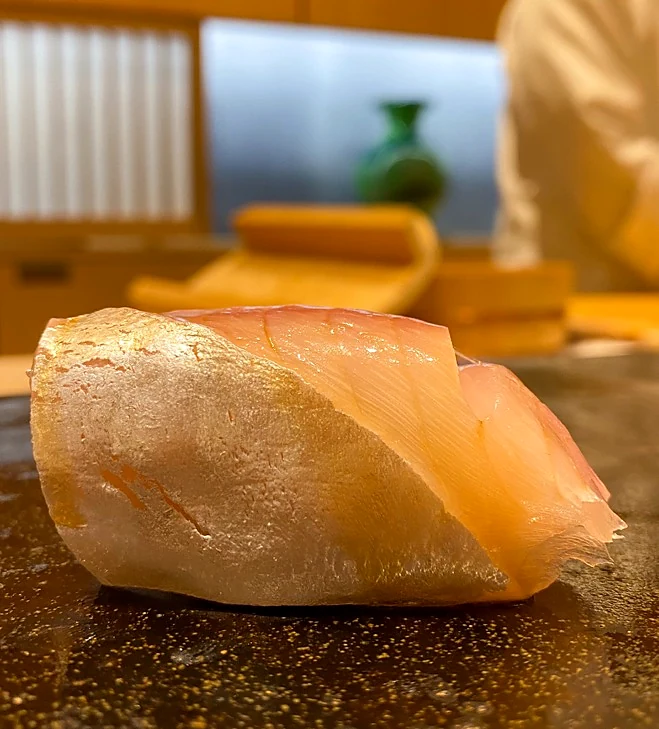
The next part can become more appetizing and vivid. Silver-skinned fish, lean red fish, or seafood cured with vinegar may bring acidity, aroma, and a sharper finish. Salting, curing, marinating, aging, scoring, and brushing are part of the chef’s work; “fresh” does not simply mean placing an untouched slice of raw fish on rice.
3. Move Toward Fat, Sauce, and Strong Umami
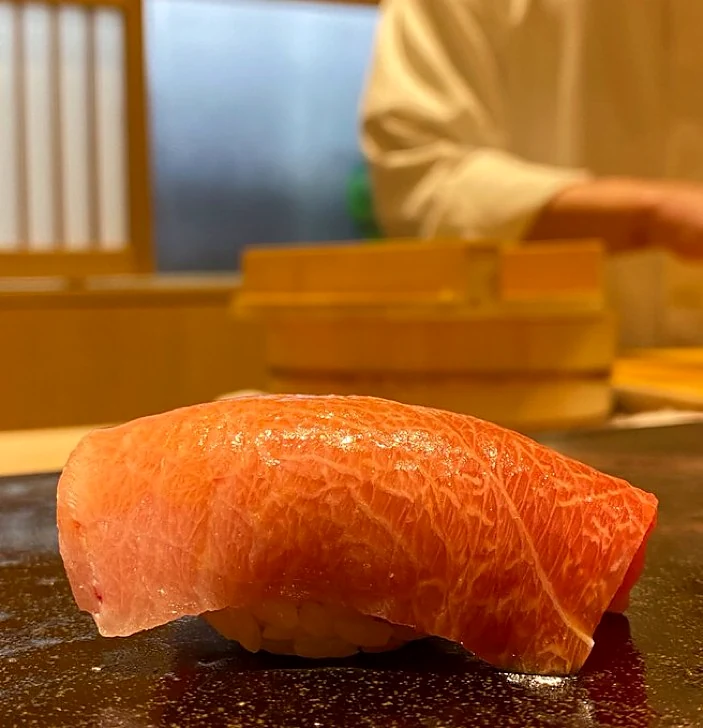
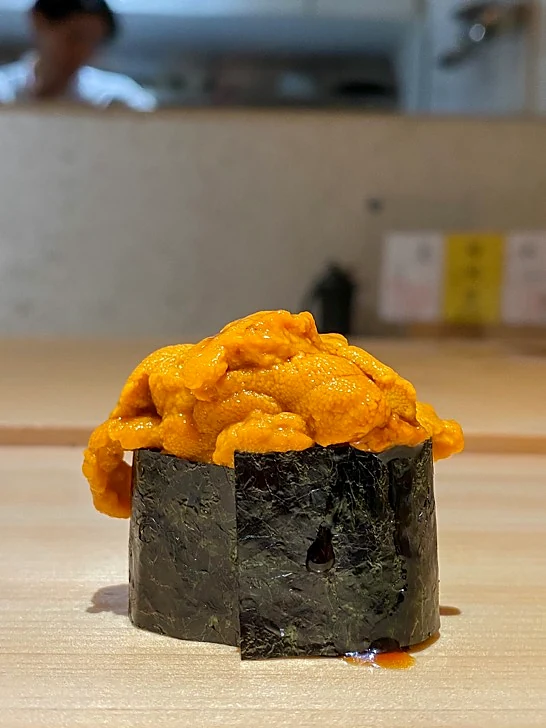
Rich tuna, sea urchin, eel, or a piece finished with a concentrated sauce can form the peak of the course. These are not automatically the “best” pieces; they simply occupy a different position in the flavor arc. Serving the most fatty or heavily seasoned item too early can make the delicate pieces that follow seem flat.
4. Guide the Meal Toward Its Finish
A roll, tamagoyaki, soup, or another calming final item can signal that the course is approaching its end. This is less about following a rigid script than managing appetite. The chef wants the diner to finish satisfied rather than discover too late that the meal was either too short or too heavy.
The Menu Is Planned, but the Service Is Personal
Two diners may receive the same ingredients without having exactly the same experience. If someone eats quickly, I increase the serving pace so the next piece does not arrive long after the previous one. When a couple is enjoying a conversation, I leave enough space for them to talk without allowing prepared sushi to sit unnecessarily.
The same attention applies to seasoning and portion size. In my own service, I have sometimes begun with less wasabi for female guests because of patterns I had observed, then adjusted after seeing the response. That is a personal service habit, not a rule about gender. The more reliable principle is to read each diner and ask when necessary. For some guests arriving after outdoor work, I may make salt or vinegar slightly more assertive where the preparation allows. A good adjustment responds to the person, not a stereotype.
The Japan National Tourism Organization likewise notes that an observant chef may moderate serving pace and adjust the amount of rice. Our guide to sushi rice temperature explains why timing and shari are not minor details.
What I Read at the Counter After the First Piece
The first few bites tell me more than a long questionnaire. I notice whether the guest lifts a piece immediately or waits, whether it is eaten in one bite, whether rice falls away, and whether the reaction to wasabi or acidity is comfortable. I also listen to what the guest says, but silence is not dissatisfaction; many diners simply concentrate on the food.
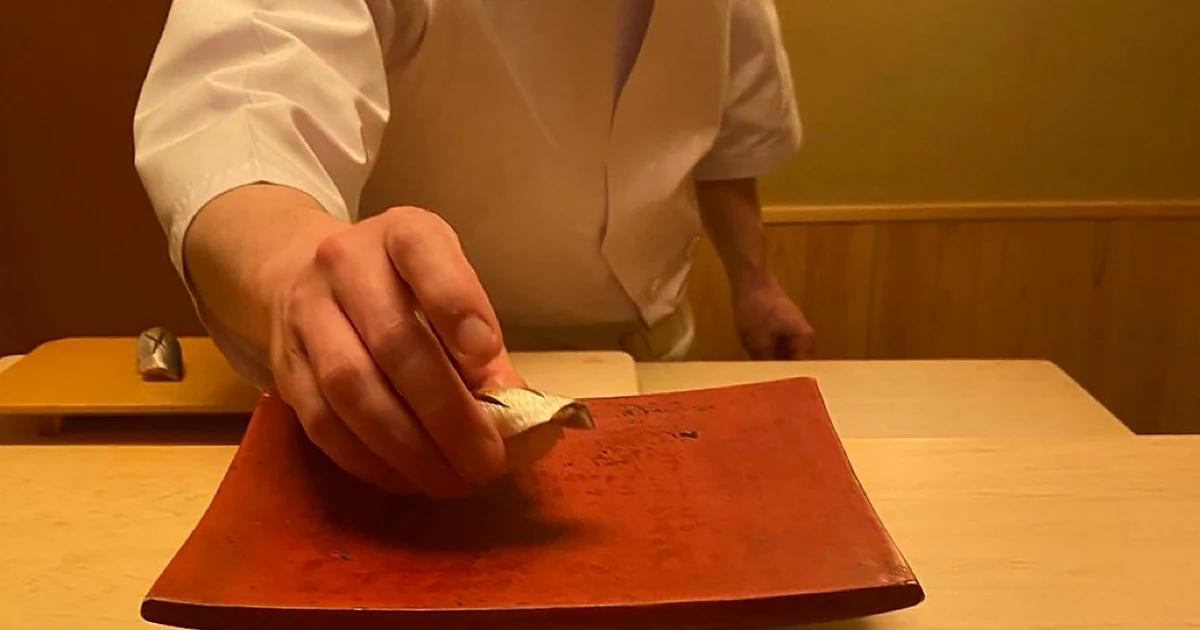
Handedness is one small example of counter awareness. If a guest consistently reaches with the left hand, I may angle the nigiri or place its easiest side toward that hand. The purpose is comfort and a clean lift, not ceremonial correctness. Shapes and placement differ among chefs, and a guest may gently rotate a piece if needed.
Portion control is more consequential. For someone drinking steadily or eating lightly, I can reduce the shari from an early stage rather than make the guest struggle at the end. For a diner with a larger appetite, I may keep a fuller rice portion while preserving the topping-to-rice balance. Changing only the rice without reconsidering seasoning can distort the piece, so wasabi, nikiri, salt, citrus, and topping thickness may need to move with it.
Pacing is equally personal. A fast eater often wants the next piece while the previous flavor is still present. A couple in conversation may prefer more space. I try to enter a natural pause rather than interrupt a sentence, while also avoiding the opposite mistake: preparing a piece and leaving it to lose temperature, nori crispness, or the air held in the rice.
The adjustment should remain discreet. Hospitality is not showing the guest how closely they are being analyzed. It is allowing the meal to feel natural while dozens of small decisions happen on the other side of the counter.
Requests Are Welcome, but Omakase Is Not Unlimited Customization
One misunderstanding I have seen among overseas guests is treating omakase as if it meant ordering every item à la carte. Another is expecting to redesign each piece individually. Neither matches the basic exchange. The chef should listen, but the diner is still entrusting the structure of the meal to the restaurant.
Tell the restaurant about allergies, religious restrictions, and ingredients you cannot eat when booking—not after the course has started. With a same-day reservation, the chef is limited to fish already purchased and preparations already underway. We try to accommodate requests, but a small counter may not have enough suitable substitutions to rebuild an entire course.
A dislike may be easy to work around; a serious allergy can require separate tools, surfaces, sauces, and advance preparation. The restaurant must be honest about what it can safely provide. For broader guidance on communicating food restrictions, see how to eat sushi in Japan.
Know What the Fixed Price Includes
At the restaurant practice described here, the price of the omakase course itself did not change from guest to guest. Near the end, I would ask how full the diner felt. If the guest wanted more, I could mention toppings that had not appeared in the course and offer them as additional orders.
Travelers should never assume that extra pieces are included. Ask whether drinks, tax, service charges, and additions are covered by the displayed price. Omakase ranges from approachable neighborhood meals to expensive destination restaurants, and the format is not standardized.
How I Evaluate a Small Omakase Restaurant
I notice the counter before the first piece arrives. A carefully maintained hinoki cypress counter often suggests that the owner has invested in the room and values traditional counter service. However, the material alone cannot guarantee skill, hospitality, or value. Cleanliness, rice condition, ingredient handling, communication, and consistency matter more than any single design feature.
I also tend to trust focused, counter-only restaurants where the head chef and one other sushi chef handle a small number of guests. In my experience, fewer hands can mean less variation in how pieces are shaped and seasoned. Again, this is an experienced cook’s useful clue rather than a promise: a tiny restaurant can still disappoint, and a larger team can be excellent.
For a first visit, confirm the course price, approximate duration, cancellation policy, language support, and whether the restaurant can handle your dietary needs. Then look for a place whose style matches what you want. Our guide to seasonal sushi in Japan can help you recognize why the available fish may change with the day and location.
Omakase Works When Trust Goes Both Ways
The diner trusts the chef to choose and sequence the meal. The chef, in return, must watch, listen, explain limits, and avoid surprising the diner about essential restrictions or extra charges. That relationship is what separates omakase from a fixed assortment placed in front of everyone without attention.
You do not need expert knowledge to enjoy it. Arrive with your restrictions already communicated, understand what the price includes, and allow the course to unfold. The most interesting part may be not one luxurious topping, but how the chef moves you from a quiet first bite to a satisfying finish.
If this look behind the sushi counter deepened your appreciation of the craft, you can support Japan Food Compass on Ko-fi and help us continue sharing carefully researched guides and original kitchen stories.