What does sushi actually mean?
The word sushi refers to dishes made with seasoned sushi rice. This rice is called shari in sushi restaurants and is typically seasoned with rice vinegar, salt, and sugar. The topping or filling is often called neta. Neta may be tuna, sea bream, shrimp, squid, sea urchin, egg, vegetables, or many other ingredients. This means that raw fish by itself is not sushi. Thinly sliced raw fish served without sushi rice is called sashimi.Sushi is about the balance between rice and topping
From a sushi chef’s perspective, the central test is whether the neta and shari feel like one complete bite. Fresh fish placed on rice is not automatically good sushi. The texture, temperature, seasoning, size, and timing must work together.The bite should come apart at the right moment
The firmness and thickness of the topping affect how tightly the rice should be shaped. The chef leaves air between the grains so the nigiri holds together on the way to the mouth but loosens without becoming a dense lump. Ideally, the topping and rice release together, allowing their flavors to spread at the same time.Temperature changes flavor and texture
Rice is generally served warm rather than refrigerator-cold. The exact temperature varies by restaurant, vinegar blend, room conditions, and topping. The aim is not to reach one universal number but to avoid a cold bite that dulls aroma and keeps fish fat firm. A fatty tuna topping, for example, often becomes more expressive when paired with warm shari.Seasoning is adjusted one piece at a time
A chef may change the amount of nikiri soy sauce, salt, wasabi, sudachi, kabosu, or another citrus according to the topping’s fat, moisture, aroma, and preparation. Seasoning should connect the fish and rice rather than sit on top as a separate flavor.The main types of sushi
There are many regional and traditional forms of sushi, but beginners will encounter several major styles most often.Nigiri
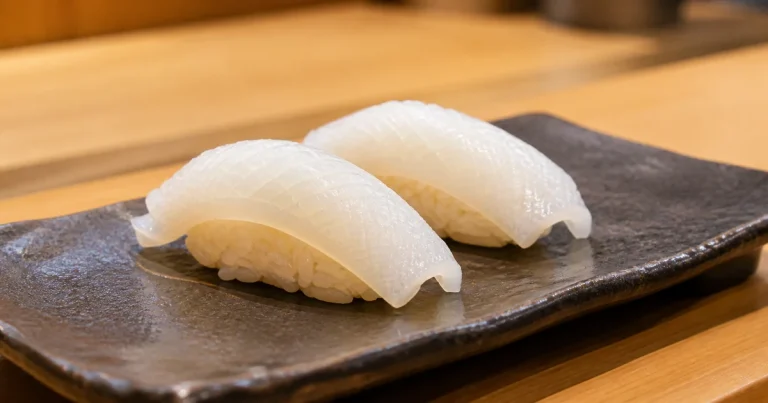
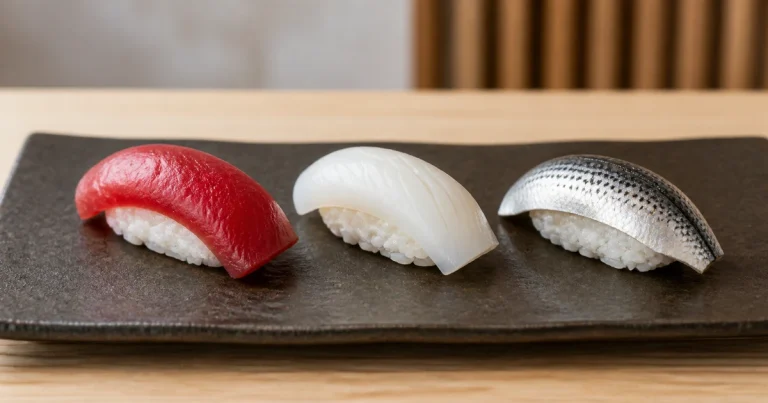
Nigiri is probably the style most people imagine when they think of traditional sushi. A small portion of sushi rice is shaped by hand and topped with an ingredient such as tuna, white fish, shrimp, squid, or eel. Wasabi may be placed between the rice and topping, and the chef may apply soy sauce or another seasoning before serving it.Maki
Maki, or rolled sushi, is made by rolling sushi rice and ingredients together, usually with a sheet of nori seaweed. There are thin rolls called hosomaki and thicker rolls called futomaki. Common fillings include tuna, cucumber, pickled vegetables, and many other ingredients.Temaki
Temaki is hand-rolled sushi. Nori is formed into a cone and filled with sushi rice and ingredients. It is normally eaten with the hands soon after it is made so that the nori remains crisp.Gunkan
Gunkan, meaning “battleship,” uses a small mound of sushi rice wrapped around the sides with nori. This shape is useful for soft or loose toppings such as sea urchin, salmon roe, or chopped seafood that cannot easily sit on top of ordinary nigiri.Chirashi
Chirashi sushi is a bowl or box of sushi rice topped with a variety of ingredients. The exact style differs by region and restaurant. It can be an easy way to enjoy several types of seafood and seasonal ingredients in one dish.Is all sushi raw?
No. Sushi does not have to contain raw fish. Inari sushi uses seasoned rice inside sweet-savory tofu pockets. English menu names can also blur species, as explained in our salmon and trout comparison. Some classic sushi ingredients are cooked, simmered, grilled, steamed, or cured. Examples include cooked shrimp, eel, octopus, egg, and various vegetables. Even fish that appears raw may have been prepared before serving. Traditional sushi techniques include salting, marinating, curing with vinegar, aging, and kombu curing. Preparation is an important part of sushi craftsmanship.What sushi chefs mean by “work”
At a traditional counter, the preparation applied before service is often called the chef’s “work.” Its purpose is not decoration. It changes moisture, texture, aroma, preservation, and the way the topping meets the rice.- Salt and vinegar curing: Kohada and mackerel are salted to draw out excess moisture, then treated with vinegar. The timing depends on size, fat, season, and condition; the goal is concentration and balance, not simply a sour taste.
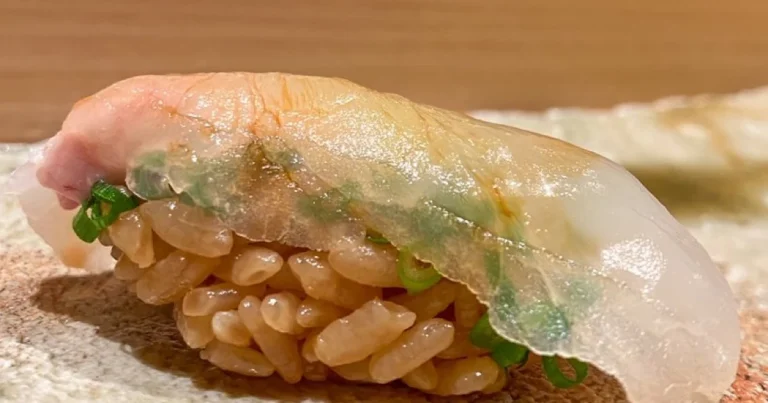
- Kombu curing: White fish such as sea bream or flounder may be lightly salted and rested with kombu. This removes some moisture while adding savory depth and a supple texture.
- Zuke: Lean tuna may be briefly marinated in prepared soy sauce. The surface firms slightly, the flavor deepens, and the topping becomes more integrated with the shari.
- Simmering and cooking: Anago, octopus, clams, shrimp, and other toppings may be simmered, steamed, or boiled. A finishing sauce such as tsume can then complete the seasoning.
- Seared and rested preparations: Light searing can make skin and fat more aromatic. Resting or aging suitable fish under controlled conditions can change texture and increase savory flavor as naturally occurring compounds in the flesh break down. It is a deliberate handling decision, not a claim that older fish is always better.
Sushi and sashimi are not the same thing
The difference is simple:- Sushi includes seasoned sushi rice.
- Sashimi is sliced seafood or other ingredients served without sushi rice.
What is shari?
Shari is the seasoned rice used for sushi, and it is the foundation of a sushi restaurant’s style. Fish may change with the season, but the rice determines the acidity, sweetness, aroma, temperature, and rhythm that connect the whole meal.Rice and cooking
The rice must retain the outline of each grain while remaining cohesive enough to shape. Sushi chefs often control the water carefully and cook it firmer than ordinary table rice so that it can absorb the vinegar mixture without turning soft or muddy.White vinegar, red vinegar, and blends
A lighter rice-vinegar seasoning can give shari a clean, bright profile. Red vinegar made from matured sake lees adds deeper color, aroma, umami, and weight. Some restaurants use one style; others blend vinegars to suit their fish and the character of the course.Warmth matters more than a fixed number
Shari should not be treated like refrigerated rice. Many counters keep it close to a comfortable, warm serving temperature, but the precise target is part of each restaurant’s method. What matters is how that warmth works with the topping: it can soften fish fat, release aroma, and help the piece come apart naturally in the mouth.What is neta?
Neta refers to the ingredient paired with the sushi rice, particularly the topping used for nigiri. Tuna, sea bream, mackerel, squid, shrimp, shellfish, sea urchin, and eel are familiar examples, but the possibilities are much broader. For one approachable shellfish example, see our guide to hotate scallop sushi. Seasonality matters. Many sushi chefs change their selections throughout the year according to which fish and seafood are at their best.Season changes the chef’s work
Sushi expresses season through more than a list of fish. The same species can change in fat, firmness, moisture, and size during the year, so the chef may alter the cut, curing time, seasoning, and amount of rice. Spring may bring sayori and early-season bonito; summer can highlight small silver-skinned fish and horse mackerel; autumn brings returning bonito and new-season salmon roe; winter is associated with rich yellowtail and tuna. Availability still depends on region, weather, fishing conditions, and the market, so these examples are guides rather than a rigid national calendar. Shinko and kohada show the judgment clearly. Very small, delicate shinko can require an extremely light application of salt and vinegar, while larger, fuller fish later in the season can tolerate a stronger cure. A chef watches the individual fish rather than following one fixed time.Four pieces that show the chef’s intention
Kohada: controlling salt and acidity
Kohada is salted to remove moisture, rinsed, and cured with vinegar. The chef balances the fish’s oil and characteristic aroma with the acidity of the cure and the seasoning of the shari. Small changes in size and season can require different timing.Akami zuke: creating unity with lean tuna
Lean tuna may be used as it is or briefly blanched before being placed in a prepared soy marinade, depending on the chef’s method. A short marinade draws seasoning into the surface, creates a smoother texture, and can make the tuna feel more connected to the rice.Anago: softness, warmth, and finishing sauce
Conger eel is gently cooked until tender, then commonly warmed and brushed with a sweet-savory tsume. The target is a soft topping that releases with the rice rather than requiring a separate, forceful chew.Hirame kombujime: adding depth to delicate white fish
Flounder may be lightly salted and rested between kombu. Time varies with the thickness and condition of the fish. The process reduces surface moisture, concentrates the texture, and adds savory depth without covering the fish’s clean character.How sushi is eaten in Japan
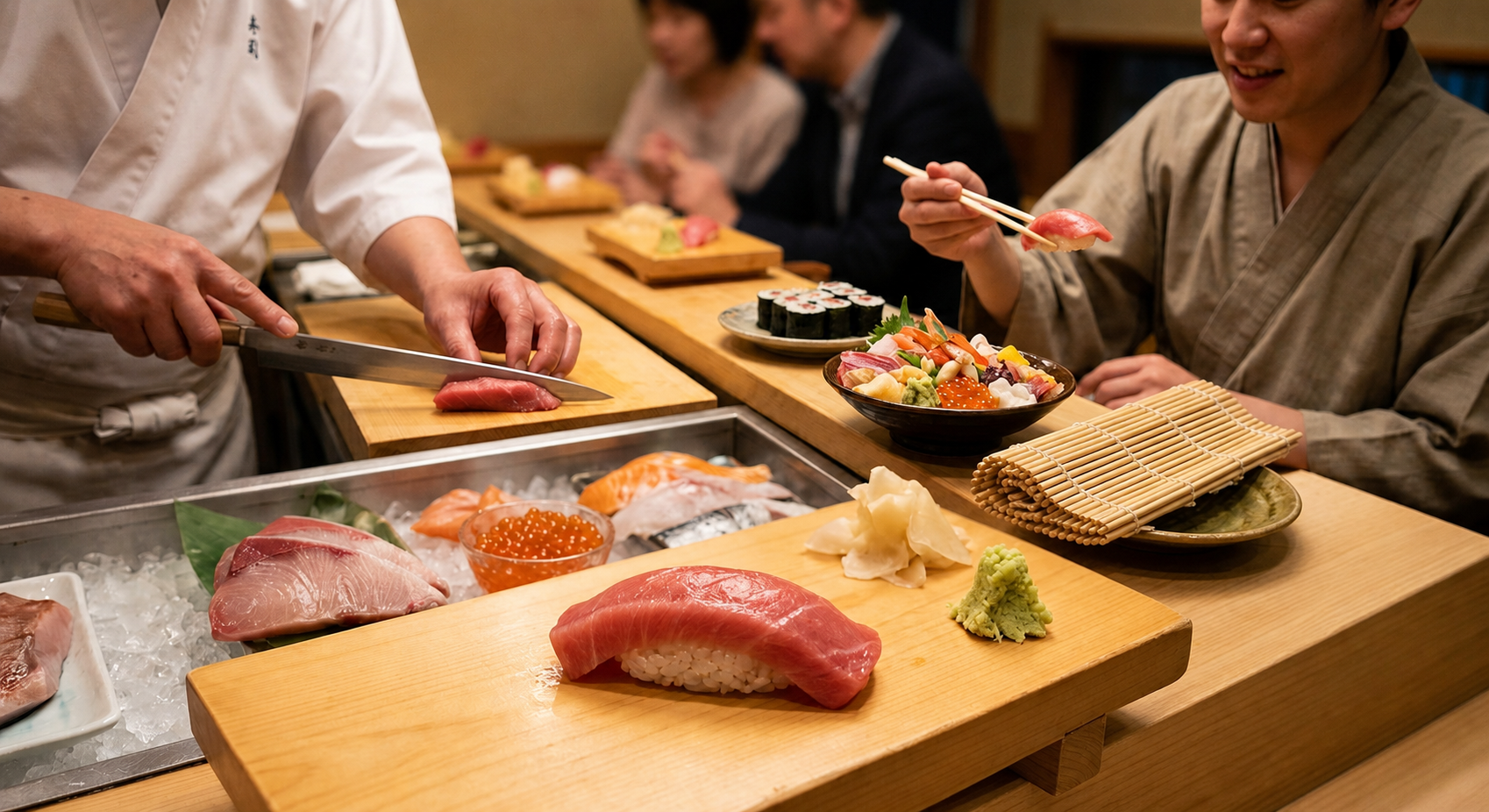
Both chopsticks and your hands are acceptable for eating nigiri sushi. At traditional sushi counters, eating nigiri with your fingers is completely normal. If the chef has already brushed the sushi with sauce, you generally do not need to add more soy sauce. When soy sauce is provided, avoid soaking the rice in it. Too much soy sauce can overpower the balance created by the chef and may cause the rice to fall apart.What about wasabi?
At many traditional sushi restaurants, the chef places an appropriate amount of wasabi between the topping and the rice. The amount may vary depending on the type of fish and its preparation. In casual restaurants, additional wasabi may be provided separately. It is fine to adjust the flavor to your preference, but at a chef-led sushi counter it is worth tasting the sushi as served first.What is gari?
The thin slices of pickled ginger served with sushi are called gari. Gari is generally eaten between pieces of sushi rather than placed directly on top of them. Its sharp, refreshing flavor helps cleanse the palate before the next piece.Do you need to eat sushi in a particular order?
There is no universal rule requiring every diner to follow the same sequence. However, an omakase course is usually arranged deliberately by the chef. Lighter flavors may appear before richer fish, and temperature, fat content, texture, and seasoning can all influence the order. When eating an omakase meal, following the chef’s serving order is usually the best approach.What is omakase sushi?
Omakase means roughly “I leave it up to you.” At a sushi restaurant, an omakase meal allows the chef to select and serve the dishes based on the season, available ingredients, and the progression of the meal. An omakase course may include appetizers, sashimi, grilled dishes, nigiri, soup, and other items. It does not necessarily mean nigiri only.Is expensive sushi always better?
Price can reflect ingredient quality, location, sourcing, preparation time, service, and the chef’s experience, but price alone does not determine whether sushi is good. Excellent sushi depends on many details: the rice, preparation of the fish, knife work, temperature, seasoning, timing, and balance of each bite. Japan also has many enjoyable casual sushi options, including neighborhood sushi restaurants, standing sushi counters, and conveyor-belt sushi.What beginners should pay attention to
If you are trying good sushi for the first time, do not focus only on whether the fish tastes fresh. Pay attention to:- the temperature and texture of the rice
- the balance between rice and topping
- how the fish has been cut or prepared
- the amount of soy sauce and wasabi
- differences between lean and fatty fish
- seasonal ingredients
- how the flavor changes from one piece to the next
Sushi is both food and craftsmanship
Sushi can be simple, casual food or a highly refined dining experience. At its core, however, the idea remains surprisingly straightforward: seasoned rice combined with carefully chosen ingredients. What makes sushi special is the precision behind that simplicity. Rice, seafood, seasoning, temperature, knife work, and timing all come together in a single bite. Once you understand that sushi is not simply “raw fish,” it becomes much easier to appreciate the different styles, ingredients, and traditions found across Japan.Continue With Seasonal and Chef-Led Sushi Guides
- How sushi changes through the seasons
- Why chefs adjust sushi rice temperature
- How Japanese chefs cut squid for texture
- How sanma changes from grilled fish to sushi
If this look behind the sushi counter deepened your appreciation of the craft, you can support Japan Food Compass on Ko-fi and help us continue sharing carefully researched guides and original kitchen stories.
Editorial Sources
- Ministry of Agriculture, Forestry and Fisheries: Nigiri zushi
- Ministry of Agriculture, Forestry and Fisheries: Tokyo regional cuisine and Edomae techniques
- Ministry of Agriculture, Forestry and Fisheries: Traditional Japanese seasonings and vinegar
- U.S. Food and Drug Administration: Selecting and serving seafood safely