Japanese Egg Dishes: 8 Popular Ways Eggs Are Eaten in Japan
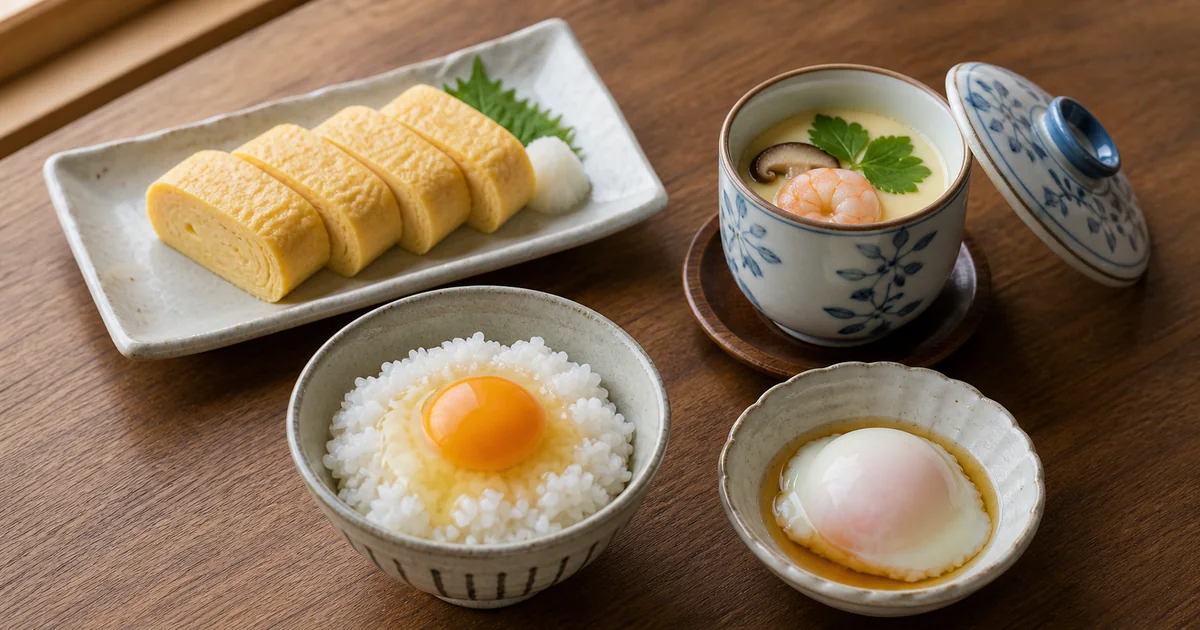
Explore eight Japanese egg dishes and compare their flavors, textures, cooking styles, and where you are likely to encounter them in Japan.
JAPANESE FOOD CULTURE
Explore the traditions, customs, history, and everyday ideas that shape the way food is prepared and enjoyed in Japan.
Explore eight Japanese egg dishes and compare their flavors, textures, cooking styles, and where you are likely to encounter them in Japan.
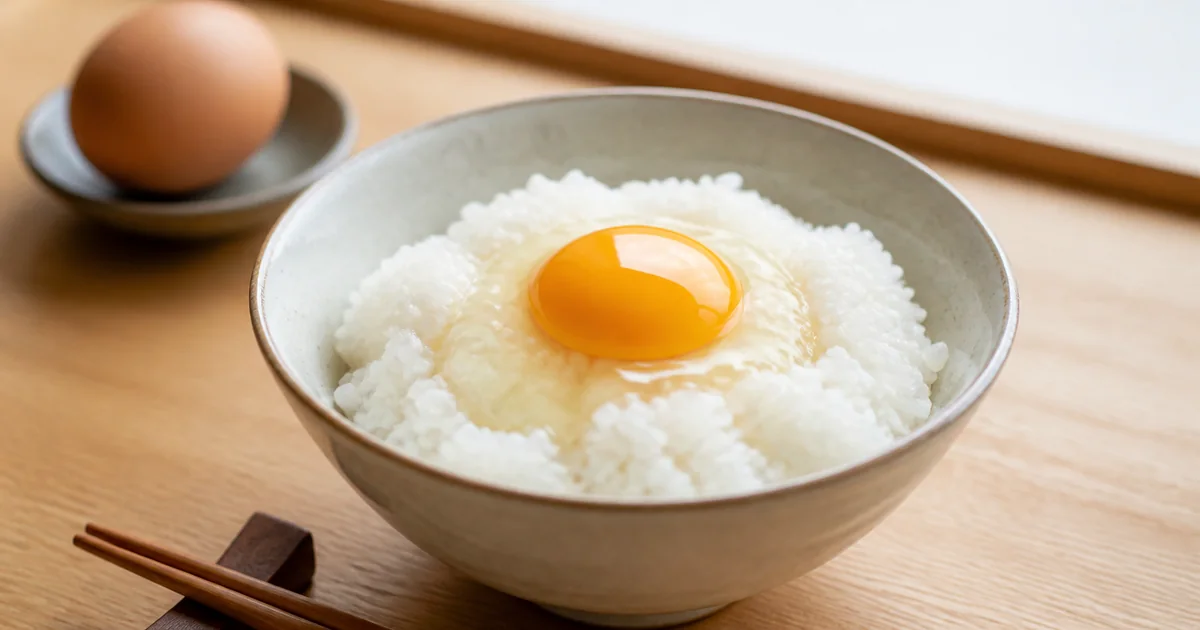
Raw eggs are widely eaten in Japan, but the risk is not zero. Learn how to read egg labels, store and handle eggs, and decide when to choose cooked eggs.
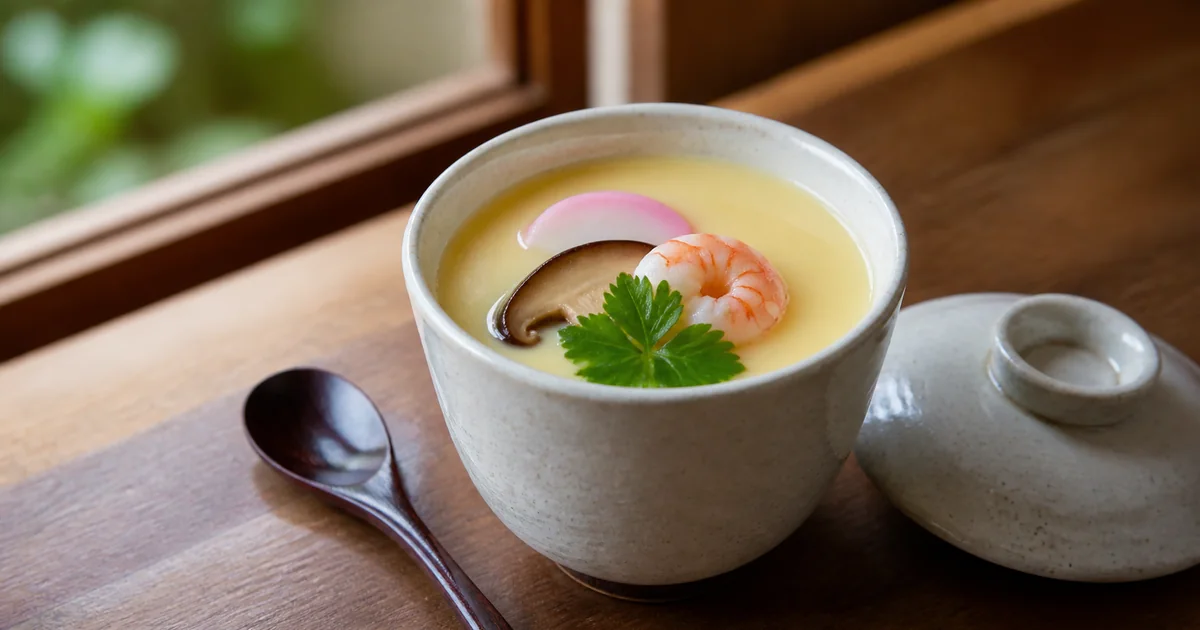
Chawanmushi is a silky Japanese steamed egg custard flavored with dashi. Learn about its savory taste, common ingredients, texture, and how to eat it.
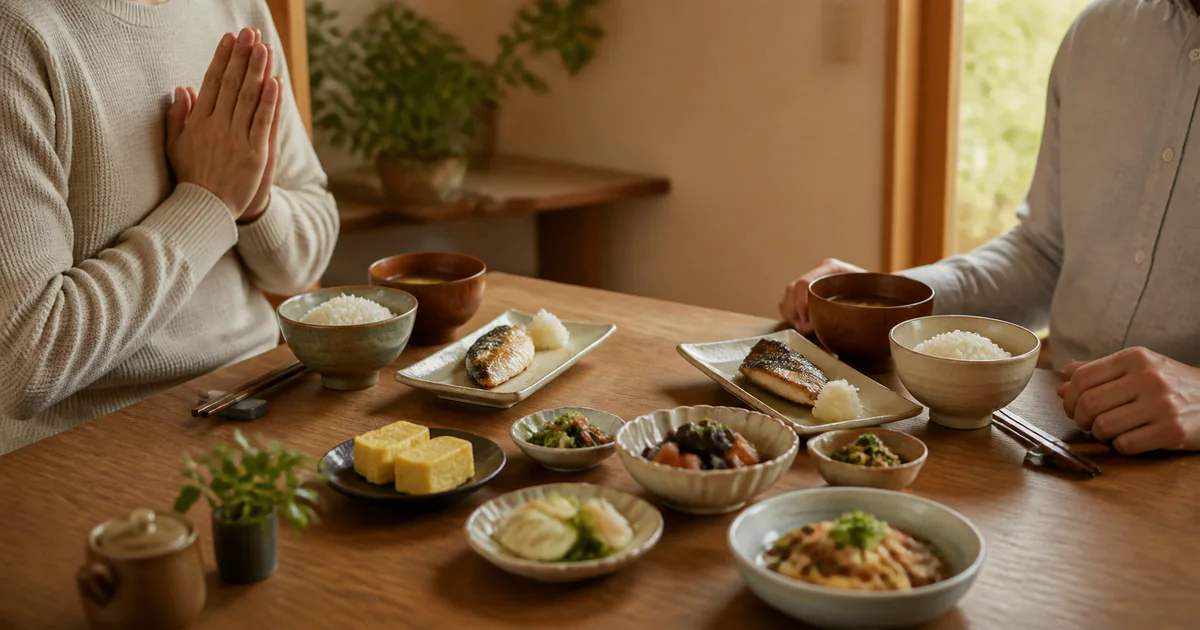
Itadakimasu is said before eating and gochisousama after the meal. Learn what these Japanese expressions mean and how visitors can use them naturally.
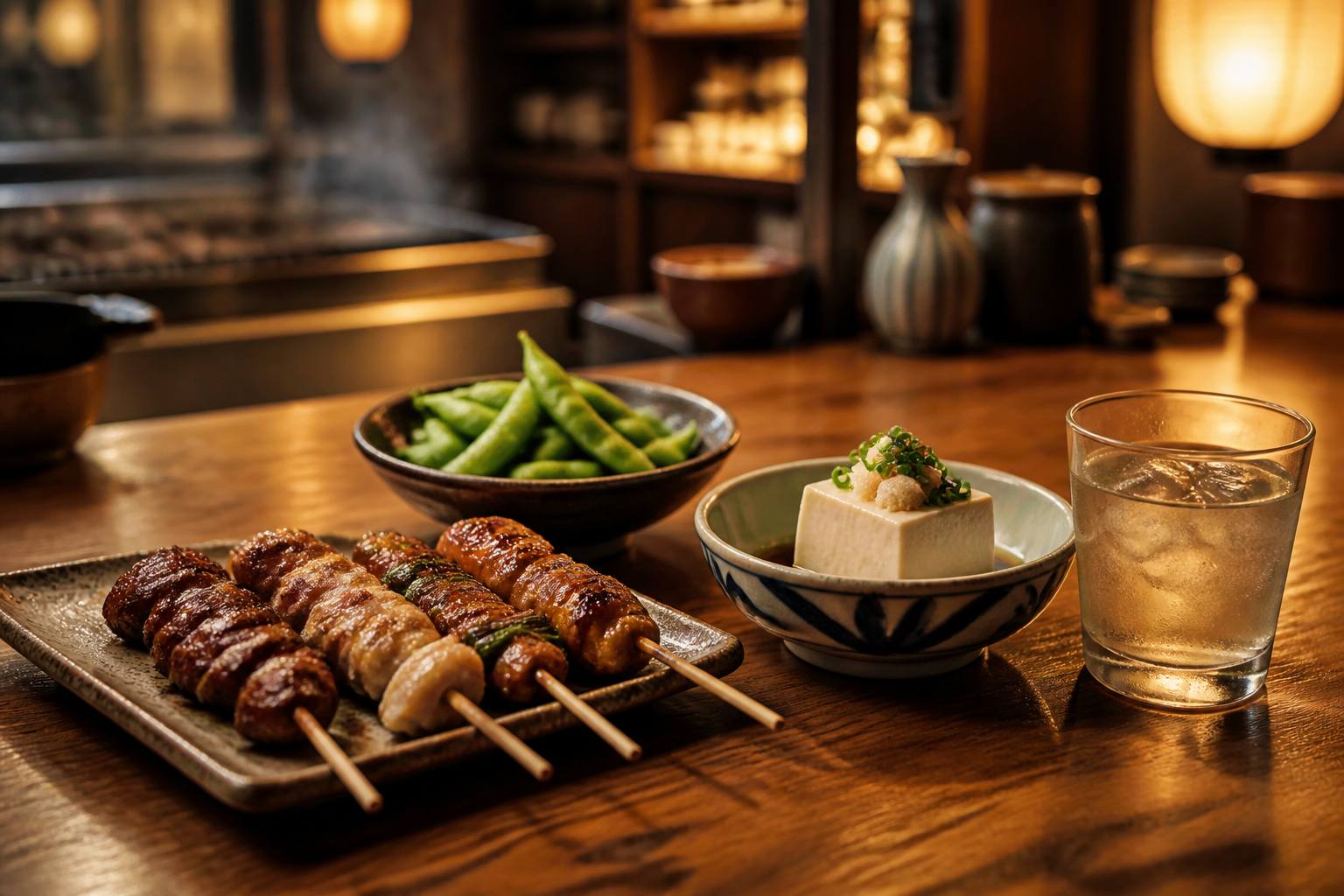
An izakaya is a casual Japanese dining pub built around drinks and shared small plates. Learn about its menus, otoshi charges, ordering, and etiquette.
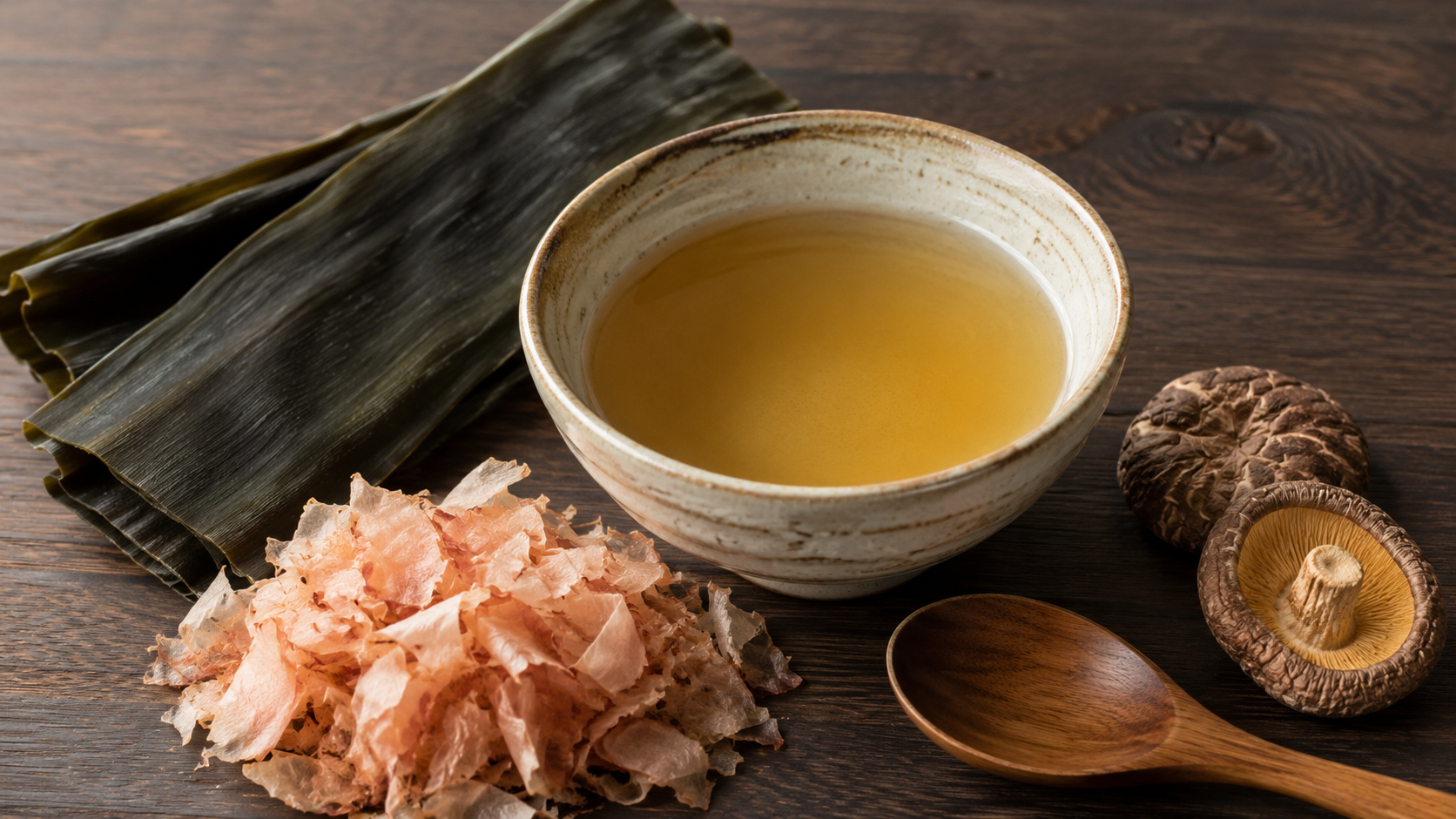
Umami is a basic taste, but a memorable dashi also depends on aroma, clarity, temperature, and restraint. A Japanese cook explains kombu, katsuobushi, synergy, and a lesson learned by squeezing first dashi.
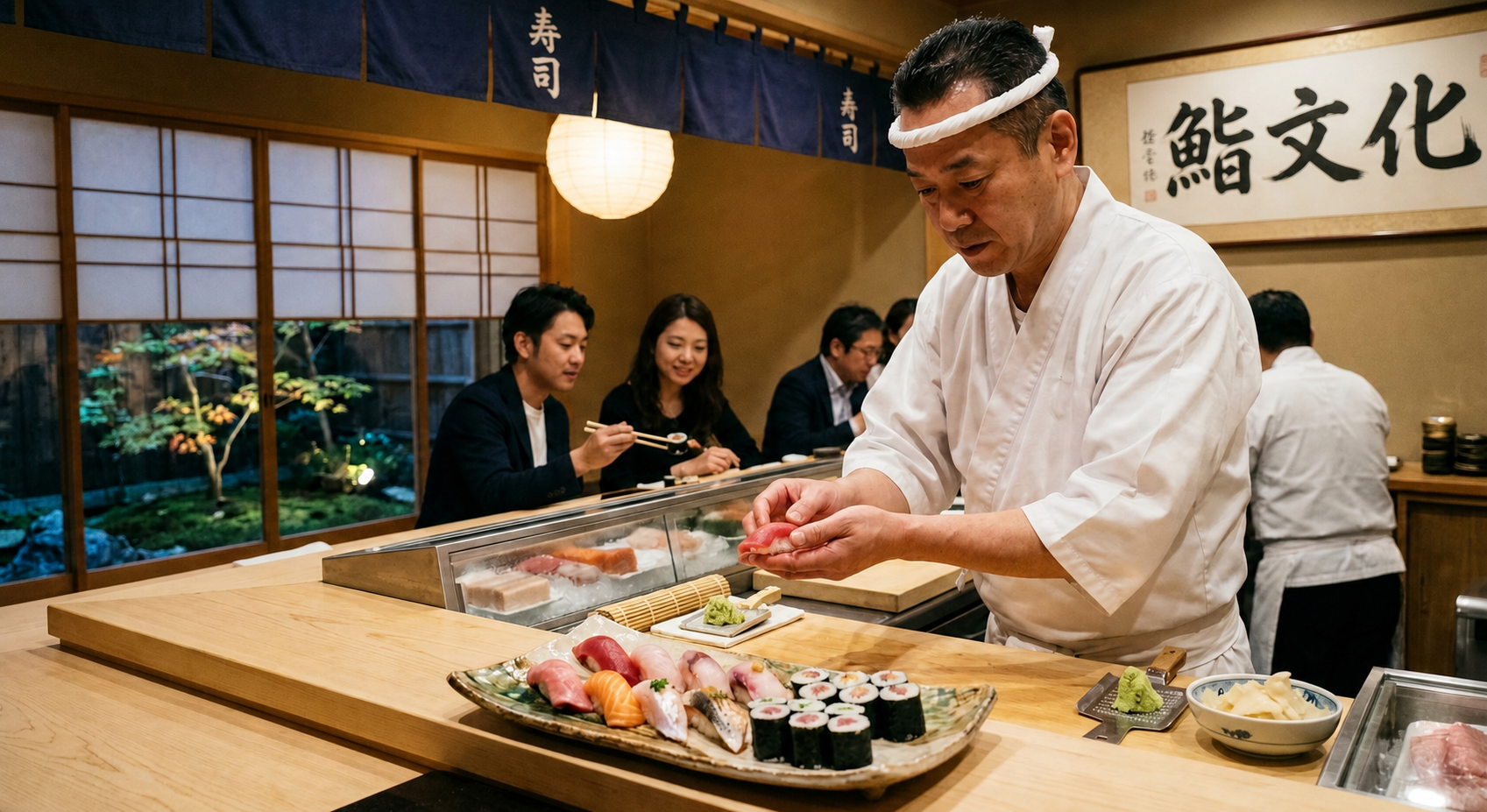
Sushi culture in Japan is not defined by raw fish alone. It grew from preservation, regional ingredients, urban food stalls, specialized craft, and everyday ways of sharing a meal. Modern nigiri is one important expression, but fermented sushi, pressed sushi, rolls, boxed meals, neighborhood shops, and celebratory dishes all belong to the wider story. Understanding … Read more
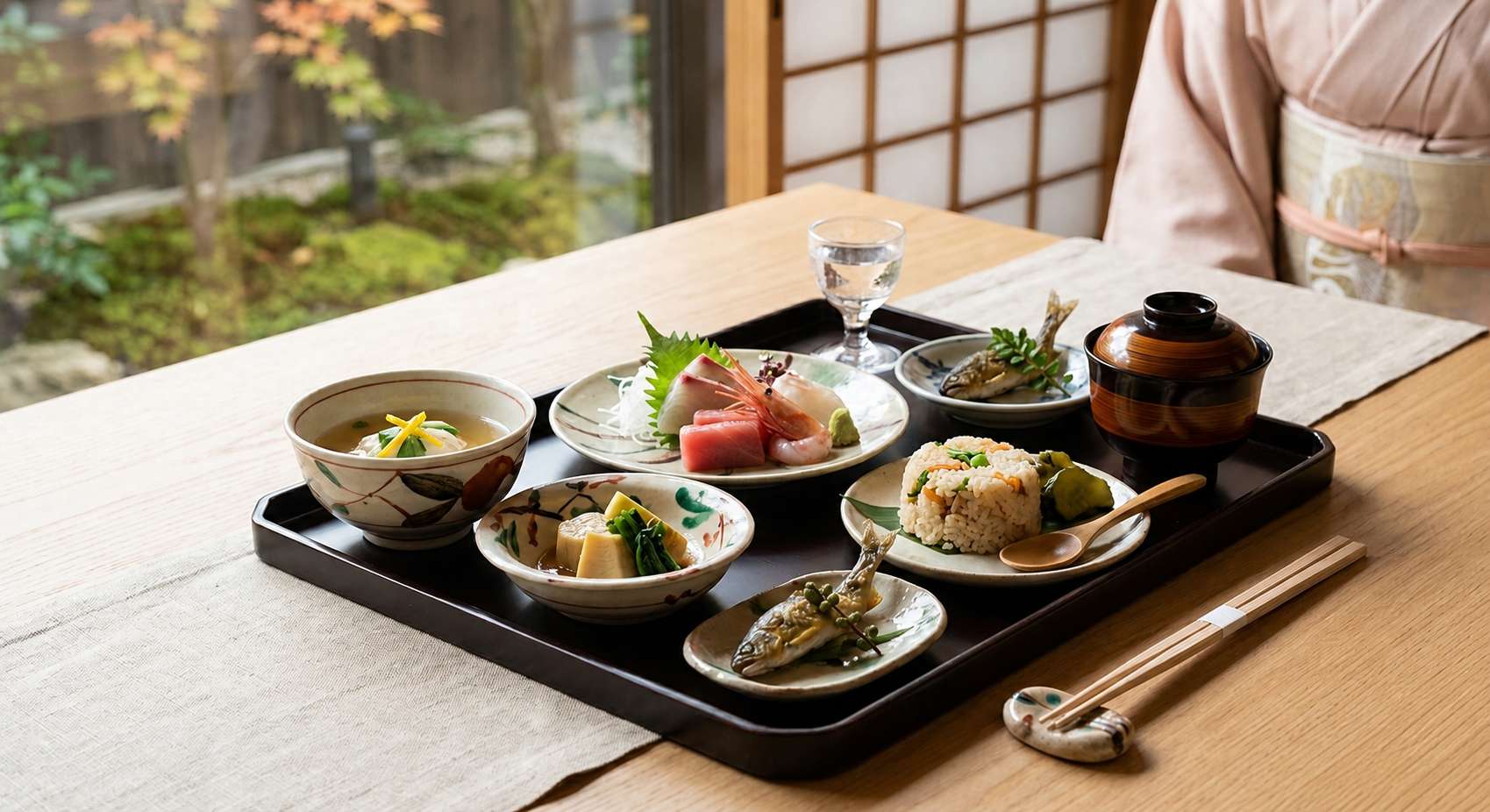
Kaiseki is a Japanese multi-course dining style that expresses season, place, and the chef’s judgment through a sequence of small dishes. It is often translated as Japanese haute cuisine, but that label does not fully explain the experience: tableware, temperature, aroma, negative space, and the rhythm between courses are considered alongside flavor. There is no … Read more
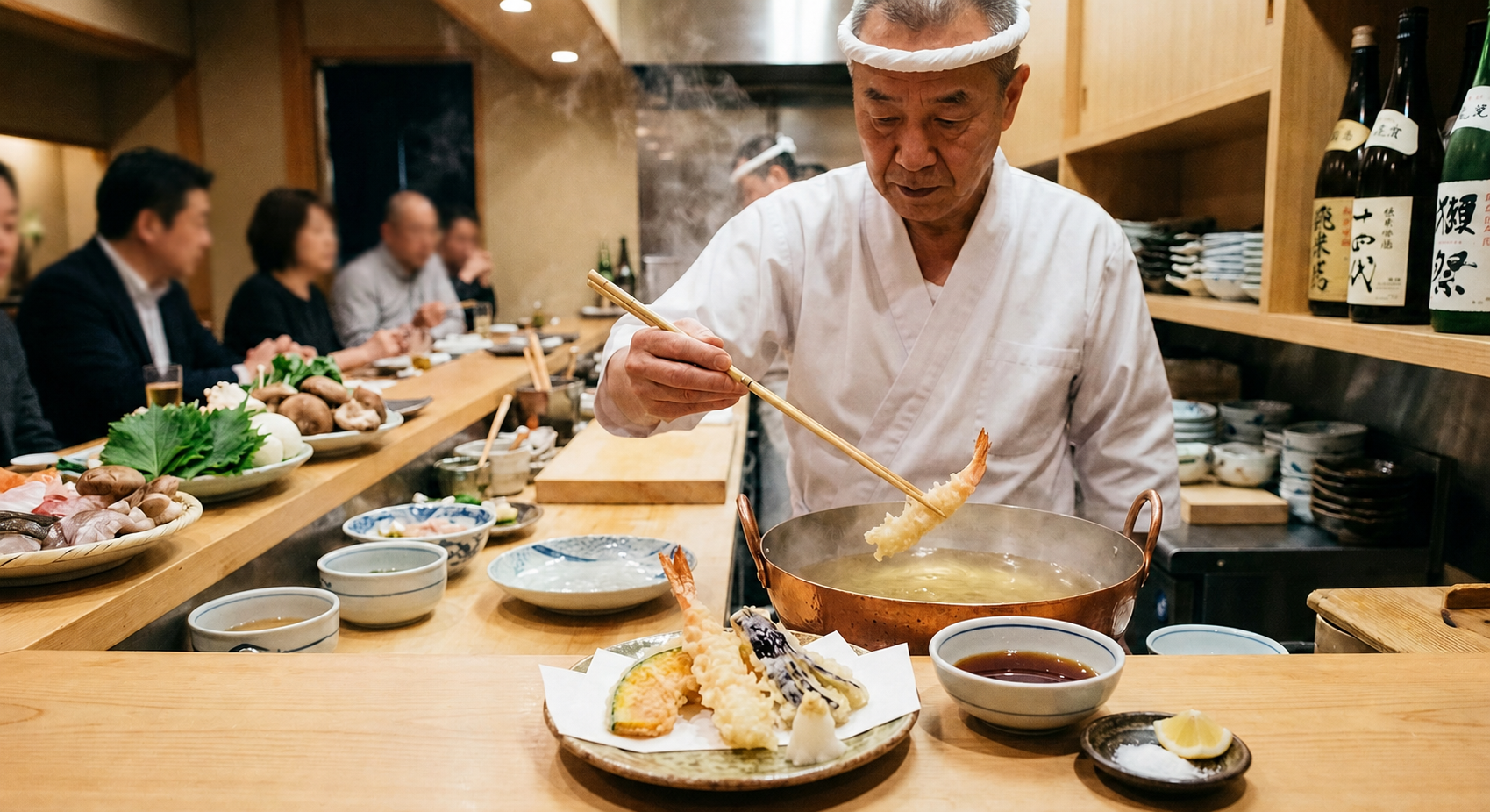
Tempura is seafood, vegetables, or other ingredients coated in a light batter and fried so the exterior becomes crisp while the inside retains its own moisture and character. The technique looks simple, but the result depends on ingredient preparation, batter temperature, oil control, timing, and immediate service. It is therefore misleading to define tempura as … Read more
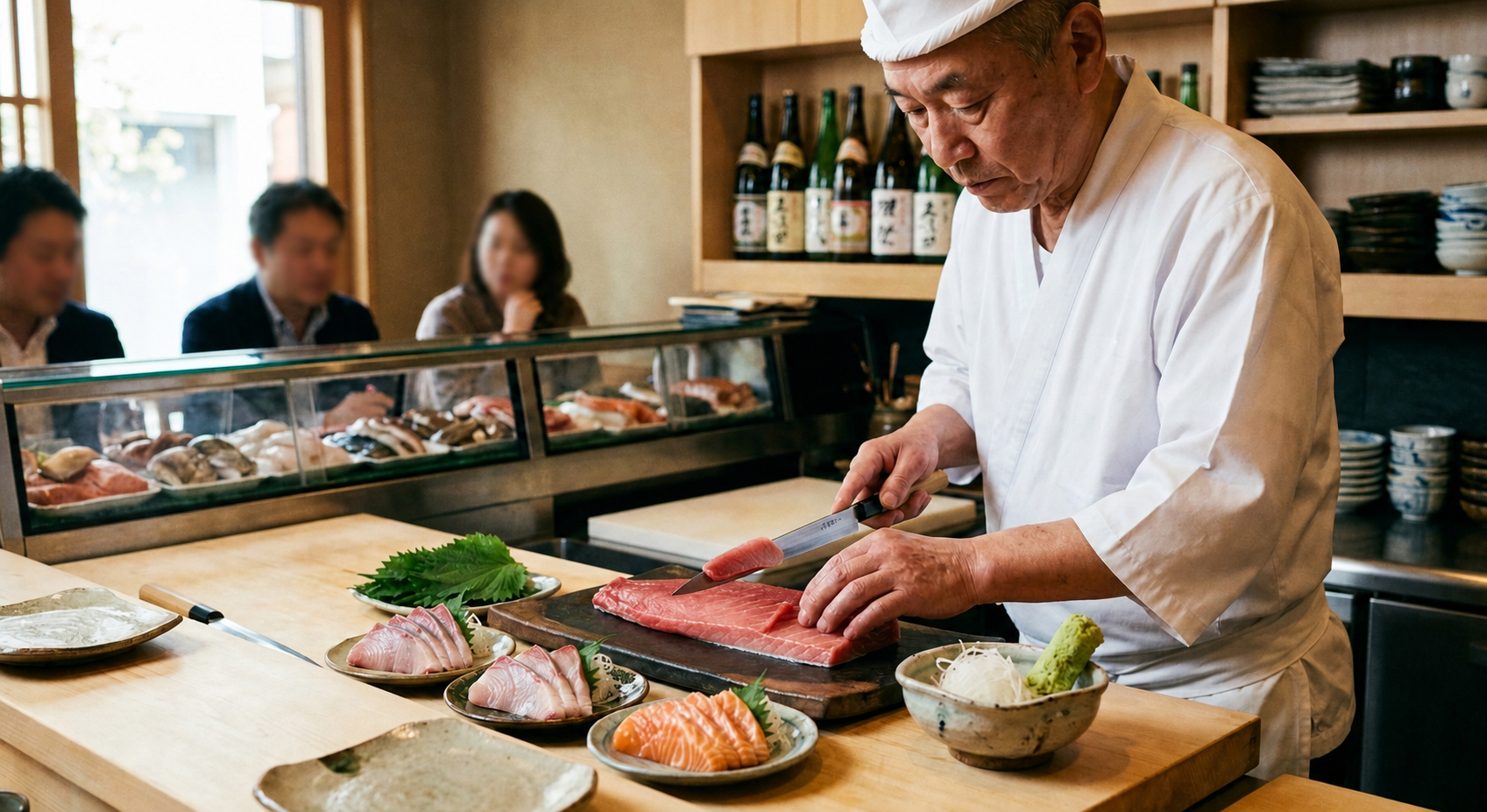
Sashimi is one of Japan’s best-known foods, but it is often misunderstood as simply “raw fish.” In Japanese cuisine, sashimi is a prepared dish in which carefully selected seafood or another ingredient is sliced and served without vinegared rice. The quality of the ingredient matters, but so do the cut, temperature, arrangement, and accompaniments. This … Read more