Ordering yakitori in Japan is easier than a Japanese-only menu may suggest. You do not need to memorize every chicken part or follow rigid rituals. Learn how skewers are counted, what shio and tare mean, and when to ask for a recommendation.
This guide focuses on the practical experience: how to order, how to eat the skewers, and which common assumptions to avoid. For the dish’s definition and background, read our introduction to what yakitori is.
What Happens at a Yakitori Restaurant?
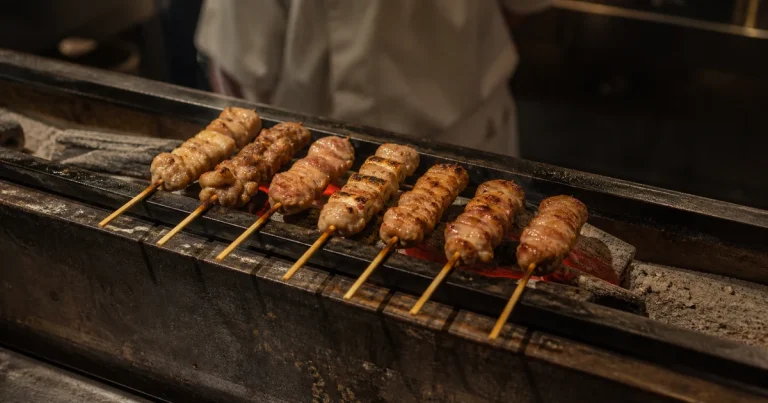
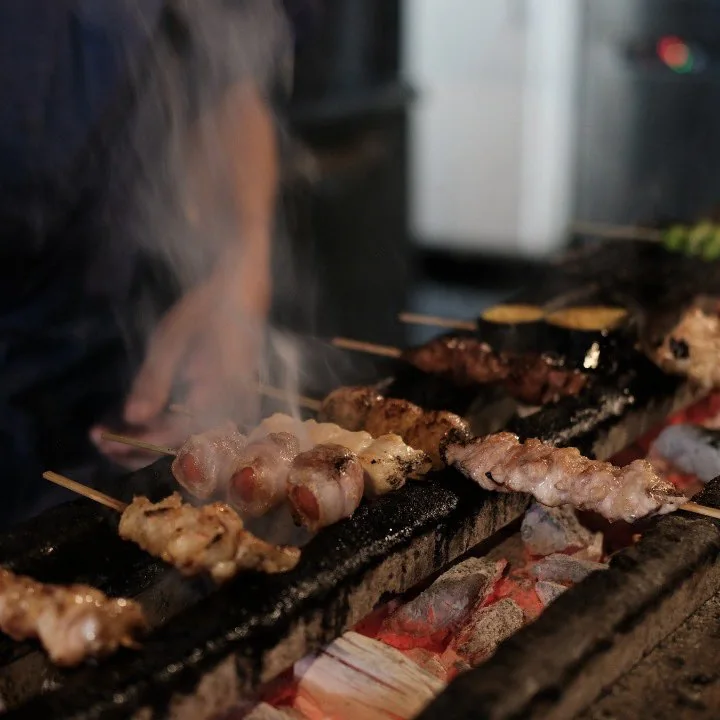
A casual yakitori restaurant may resemble an izakaya, with drinks and small dishes alongside grilled skewers. Specialist restaurants may serve a chef-led course with skewers arriving one at a time.
At a casual shop, you can usually order individual skewers or a mixed plate. Some items have a minimum order of two, so check the menu or ask the staff.
Because yakitori is cooked to order and tastes best hot, order a few skewers at a time. At a course restaurant, follow the chef’s pacing unless invited to add items.
Yakitori Menu Terms You Actually Need
You do not have to learn the entire chicken anatomy. Start with these terms:
- Yakitori: grilled chicken, usually served on skewers
- Kushi: a skewer
- Moriawase: an assorted selection
- Omakase: a selection left to the chef
- Shio: salt seasoning
- Tare: a savory-sweet sauce or glaze
- Hon: the counter commonly used for long objects, including skewers
For a first meal, a mixed selection removes most of the menu-reading pressure.
Shio or Tare: Which Should You Choose?
Shio seasons the skewer with salt. Tare adds a savory-sweet coating, commonly built around ingredients such as Japanese soy sauce. Recipes differ by restaurant.
There is no universal seasoning rule. If the server asks “Shio or tare?” either should work. If they do not ask, the restaurant may already have a preferred preparation.
When unsure, say “Osusume de onegaishimasu”—“Please serve it the recommended way.” This is often more useful than trying to remember an online list of perfect pairings.
Useful Japanese Phrases for Ordering Yakitori
| Japanese phrase | Meaning |
|---|---|
| Osusume wa nan desu ka? | What do you recommend? |
| Moriawase o onegaishimasu. | An assorted selection, please. |
| Omakase de onegaishimasu. | Please choose for me. |
| Momo o ni-hon, shio de onegaishimasu. | Two thigh skewers with salt, please. |
| Kore wa nan desu ka? | What is this? |
| Tare ni wa komugi ga haitteimasu ka? | Does the tare contain wheat? |
| Okaikei o onegaishimasu. | The bill, please. |
Pointing at a menu item and saying “Kore o onegaishimasu” (“This, please”) is useful. Confirm allergies directly rather than relying only on automatic translation.
A Simple First Order
Start with three or four contrasting skewers, then order another round if you are still hungry:
- Momo or negima for familiar, juicy chicken
- Tsukune for a tender minced-chicken preparation
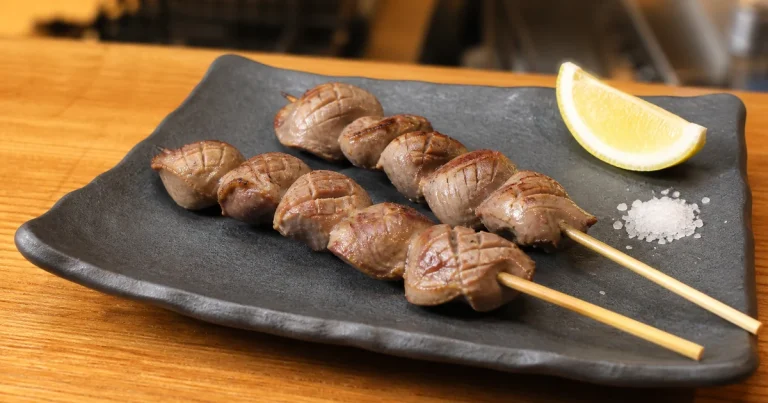
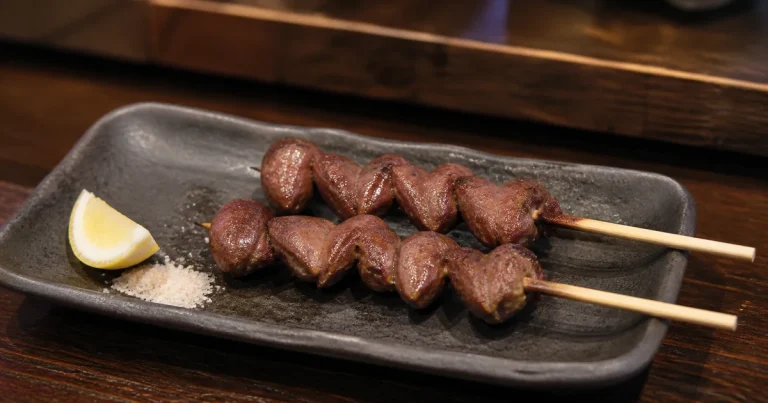
- Sunagimo or hatsu for a firmer texture
- A vegetable skewer or small side dish for contrast
Alternatively, ask for moriawase. Ask how many skewers are included if the menu is unclear.
How to Eat Yakitori Politely
Yakitori is informal food. You may pick up a skewer and eat directly from it with your hands. It is also acceptable to use chopsticks to slide the pieces onto your plate before eating. Choose whichever method is comfortable and suitable for the skewer.
If a small container for used skewers is provided, place empty sticks there. Otherwise, leave them neatly on your plate rather than scattering them across the table. Take care with sharp tips.
When sharing, transfer food to your own small plate before eating. Do not pass a piece directly from your chopsticks to someone else’s chopsticks. General Japanese dining culture values consideration for the other guests and for the way the food has been prepared, but casual yakitori shops are not designed to make visitors anxious about minor mistakes.
Condiments such as shichimi pepper or sansho may be available. Taste the skewer first, then add a small amount if you want more heat or fragrance. Avoid covering every skewer before you know how it has been seasoned.
Common First-Timer Mistakes
Ordering Everything at Once
A large order can cool before you reach the final skewers and may crowd a small counter. A few rounds usually produce a better experience. This is a practical suggestion, not an unbreakable etiquette rule.
Assuming Every Skewer Is Chicken
Yakitori specializes in chicken, but many menus also include pork, beef, vegetables, quail eggs, or other grilled items. Check unfamiliar words if dietary restrictions matter.
Believing You Must Always Choose Shio or Tare
Some restaurants choose the seasoning for each part. If the staff does not offer a choice, accept the house preparation or ask politely rather than treating the omission as an error.
Removing Every Piece for the Whole Table
Some groups share skewers by removing the pieces, but this is not mandatory. Individual skewers preserve the intended balance and are often easier to eat while hot. Order enough for the group when possible.
Mistaking Otoshi for a Free Appetizer
At an izakaya-style establishment, a small dish called otoshi may arrive automatically and function as part of the table charge. It is not necessarily a complimentary sample. Ask the staff if you are unsure about fees.
Adding a Tip
Tipping is not customary in Japan. Pay the amount on the bill and express thanks with “Arigato gozaimashita.”
Allergies and Food Safety
Ask about ingredients before ordering if you have an allergy. Tare may contain soy and wheat, while tsukune recipes may use egg or other binders. Recipes vary, so a general description cannot replace confirmation from the restaurant.
Chicken and chicken organs should be cooked safely. Do not assume that an unfamiliar preparation is risk-free because it is traditional or served by a specialist. Japan’s Ministry of Health identifies raw and undercooked chicken as a major source of Campylobacter food poisoning. If you have concerns about doneness, ask the staff before eating.
Small Decisions That Improve a First Visit
Can you eat yakitori with your hands?
Yes. Eating directly from the skewer by hand is acceptable. Chopsticks are also fine.
How many skewers should one person order?
There is no fixed number. Begin with a few, then add another round according to your appetite and any side dishes.
Do I need to speak Japanese?
No. Pointing to the menu, using a few short phrases, or choosing a mixed plate is usually enough. Communicate allergies clearly.
Should I order shio or tare first?
Choose shio for a direct, salty flavor or tare for a savory-sweet glaze. When in doubt, request the restaurant’s recommendation.
A First Order That Lets the Grill Lead
The easiest way to order yakitori in Japan is to begin small, ask for recommendations, and eat each skewer while it is hot. You can use your hands or chopsticks, choose shio or tare when offered, and order additional rounds as you discover your preferences. Good yakitori etiquette is less about secret rules than paying attention to the restaurant, the food, and the people sharing your table.
Editorial Sources
- Japan National Tourism Organization: Yakitori—A Guide to Chicken Skewers
- Japan Guide: Yakitori and How to Eat It
- Japan National Tourism Organization: Japanese Customs and Etiquette
- Japan National Tourism Organization: Izakaya Dining Guide
- Ministry of Health, Labour and Welfare: Campylobacter Food Poisoning Prevention Q&A