Ginkgo nuts in Japan can make a plate feel unmistakably autumnal. Japanese speakers call them ginnan, and they appear for a short season in dishes that range from lightly fried nuts sprinkled with salt to savory steamed egg custard. Their flavor is subtle, but their color, texture, and association with fall make them memorable.
One of the simplest presentations is a row of ginkgo nuts on a bamboo skewer. It may look as if the cook has merely threaded them together. In practice, this modest skewer reveals a basic yakitori skill: the cook must pierce every piece in the right place so it sits steadily and cooks evenly. A small autumn ingredient can therefore tell travelers something about both seasonality and professional technique.
Ginnan Is the Seed, Not the Smelly Fruit
English menus usually call ginnan a “ginkgo nut,” although botanically it is the seed of the female ginkgo tree. In autumn, soft yellow outer flesh surrounds the seeds. That outer layer produces the powerful smell many people notice near fallen ginkgo fruit on city streets.
The edible part is different. After producers remove the scented outer flesh, a smooth, pale shell remains. Inside that shell is the kernel Japanese cooks use. They serve it cooked, not as the soft fruit found under the tree. Separating these layers explains why the smell outdoors can be much stronger and less inviting than the aroma of ginnan on a restaurant plate.
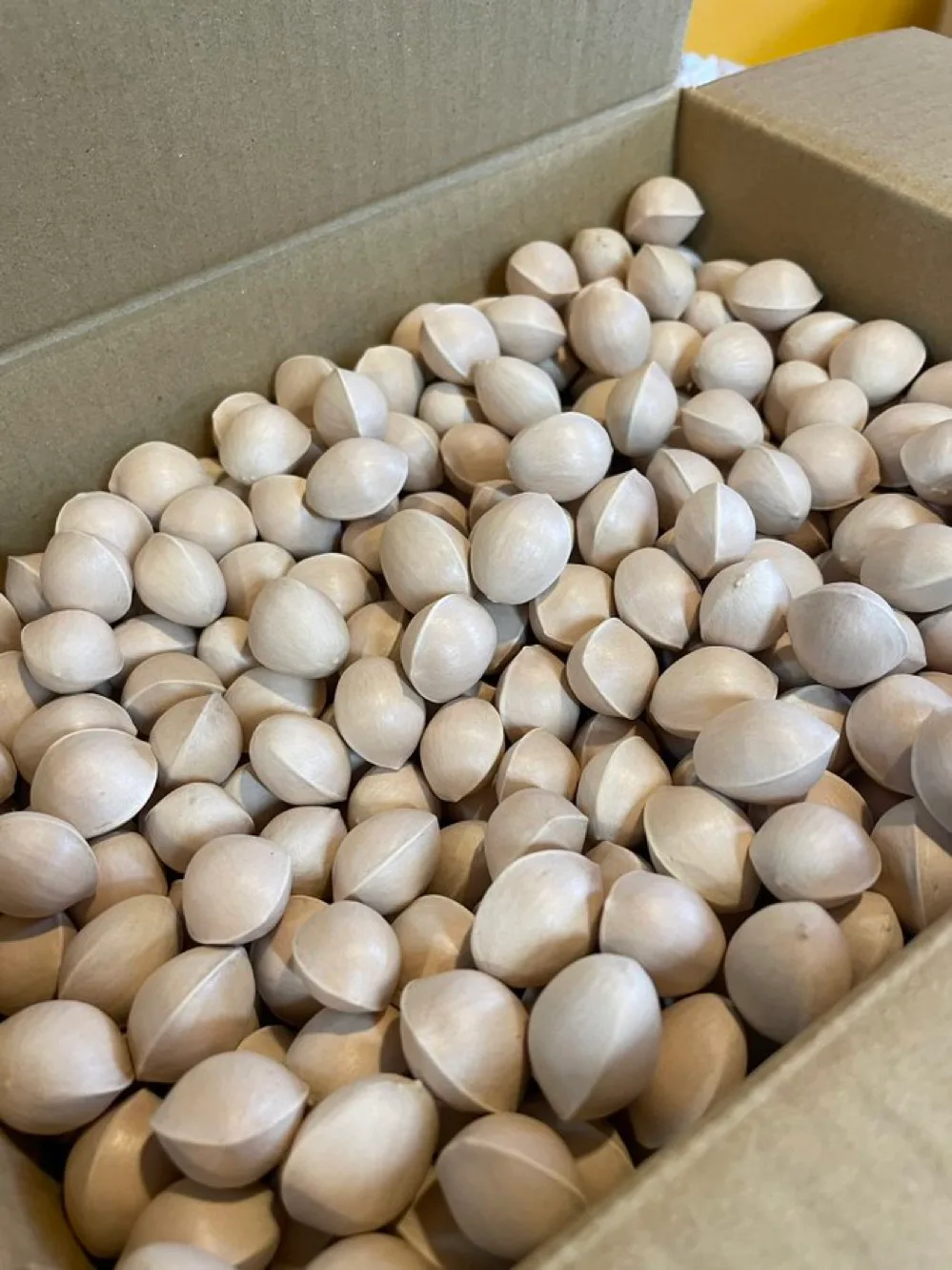
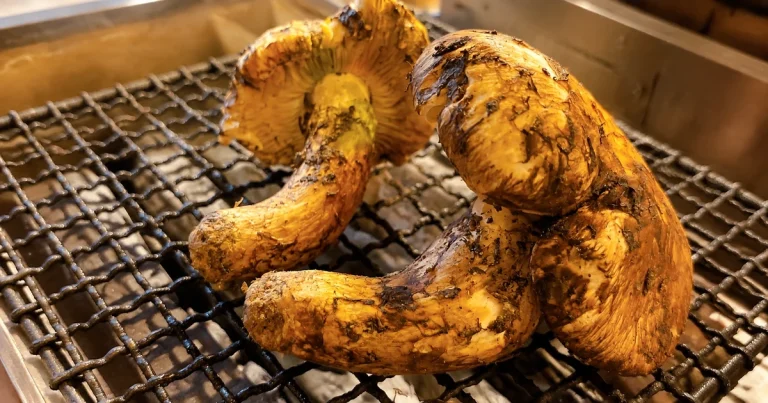
Japan’s Ministry of Agriculture, Forestry and Fisheries identifies September to mid-November as the season for ginnan in one of the country’s best-known producing areas, Sobue in Aichi Prefecture. Like matsutake mushrooms, it remains part of Japan’s culinary language of autumn.
What Do Cooked Ginkgo Nuts Taste Like?
A cooked ginkgo nut has a lightly sweet, earthy flavor with a gentle bitterness. The texture is part of its appeal: firm and slightly chewy, yet also starchy and tender. It is not crunchy like an almond or creamy like a cashew. The closest expectation is a small, resilient bite somewhere between a nut, a bean, and a firm piece of mochi—without tasting exactly like any of them.
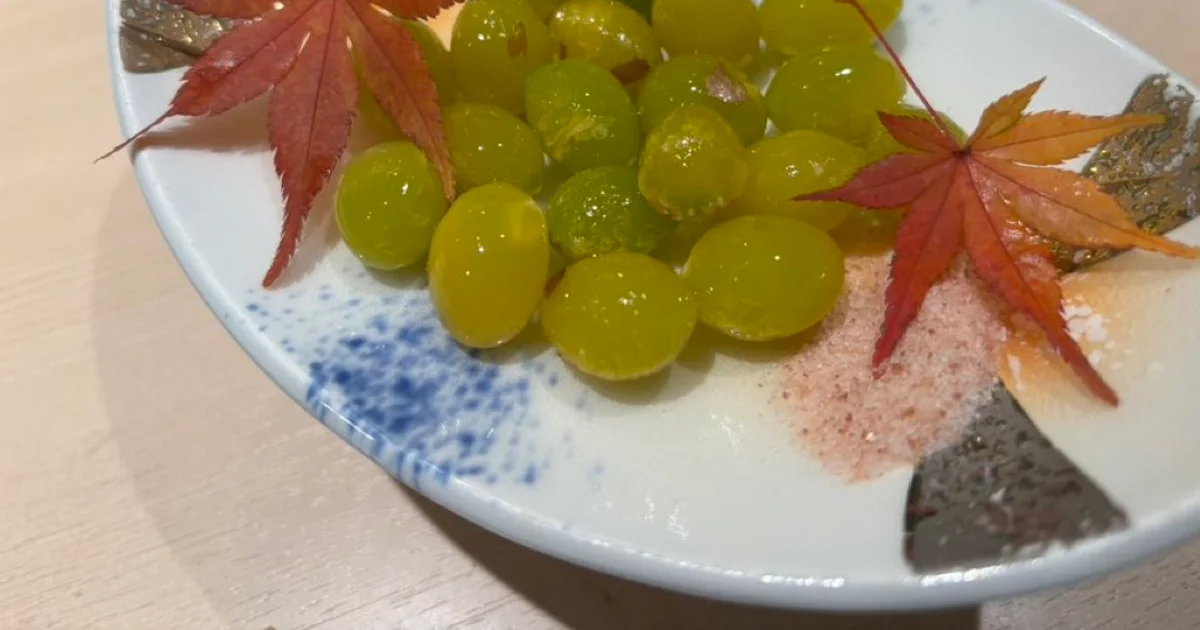
Heat changes the kernel from pale yellow toward a translucent jade or olive green. Salt makes the mild sweetness clearer, while grilling adds browned edges and a faintly roasted aroma. Its restrained taste leads cooks to present ginnan in small quantities rather than make it the main volume of a dish.
Three Common Ways to Eat Ginkgo Nuts in Japan
Fried Ginnan: Glossy, Salty, and Direct
Age-ginnan, or fried ginkgo nuts, is one of the clearest ways to taste the ingredient. Cooks heat the kernels until glossy and tender, then commonly season them with salt. The surface may blister lightly while the center keeps its characteristic chew. Red maple leaves or other seasonal garnishes sometimes reinforce the connection with autumn, though they are decoration rather than part of the flavor.
Ginkgo Nuts in Chawanmushi
A single ginnan is a familiar discovery inside chawanmushi, Japan’s savory steamed egg custard. Its firmness contrasts with the silky egg and warm dashi. Chicken, shrimp, fish cake, mushrooms, and mitsuba may share the same cup, so diners with allergies or dietary restrictions should ask about all the ingredients rather than judging from the smooth surface.
For many diners, the ginkgo nut at the bottom feels like a small seasonal accent rather than the centerpiece. That is typical of the ingredient’s role: a few pieces can add color, texture, and a recognizable autumn note without dominating the entire dish.
Grilled Ginnan on a Skewer
Cooks may serve grilled ginnan loose, but a short bamboo skewer makes the portion easy to cook and present. On a menu, it may appear as ginnan-yaki, ginnan kushi-yaki, or simply ginnan. A little salt is often enough. The direct heat produces small charred spots and a warmer, more concentrated flavor.
Because the skewer contains a plant ingredient rather than chicken, it belongs to kushiyaki rather than yakitori. However, the handling skills overlap with yakitori counter work.
Why a Simple Ginkgo Skewer Requires Real Technique
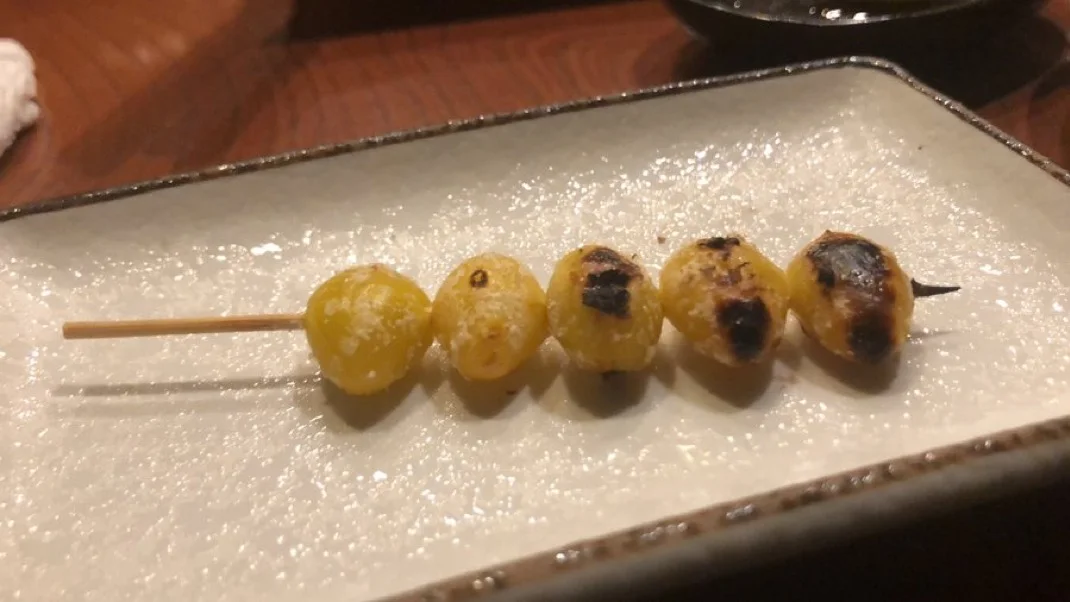
Threading five small nuts in a straight line sounds easier than cutting and arranging chicken. Yet each kernel is rounded, smooth, and slightly different in shape. The cook must find a practical center of gravity and guide the skewer through it. If the weight sits too far to one side, the nuts can rotate when the cook turns the skewer or refuse to hold the position needed over the heat.
Repeatedly pulling out and reinserting the skewer is not a good correction. Each attempt enlarges the hole, weakens the kernel, and makes the finished row look untidy. The goal is to pierce once, preserve the shape, keep an even distance between pieces, and align their broad faces so they meet the heat consistently.
This is one reason cooks practice on ingredients that seem uncomplicated. Skewer work is not only about making food stay on a stick. It determines balance, turning, heat exposure, appearance, and the speed of service. The same fundamentals matter when handling the more varied shapes covered in our guide to yakitori grills and skewer support.
For a guest, the result should look effortless: an orderly row that can be lifted cleanly and eaten one piece at a time. The effort disappears into the presentation. That quiet precision is often a better sign of restaurant craft than an elaborate decoration.
Where Travelers May Find Ginnan in Japan
Travelers find ginkgo nuts in Japan from early to late autumn at seasonal Japanese restaurants, yakitori or kushiyaki counters, and an izakaya serving small dishes with drinks. Kaiseki meals may use it as part of a seasonal course, while sushi restaurants and traditional set menus may include it inside chawanmushi. Supermarkets and produce shops also sell shell-on nuts during the season.
Useful menu words include 銀杏 (ginnan), 焼き銀杏 (yaki-ginnan, grilled ginkgo nuts), 揚げ銀杏 (age-ginnan, fried ginkgo nuts), and 銀杏串 (ginnan-gushi, ginkgo nut skewer). The same kanji 銀杏 can also be read ichō when referring to the ginkgo tree, so the surrounding menu context matters.
Enjoy Ginkgo Nuts in Small Quantities
Treat ginnan as a small seasonal delicacy, not a snack to eat by the handful. The Japan Poison Information Center warns that eating too many can cause poisoning symptoms including vomiting and convulsions. It advises against giving ginkgo nuts to small children and cautions adults not to eat dozens at once or large amounts every day.
There is no need to search for a universal “safe number” while dining, because age, condition, and individual response differ. Enjoy the modest restaurant portion, and do not collect fallen seeds or attempt to process the irritating outer flesh during a trip.
A Small Taste of the Japanese Autumn
Diners value ginkgo nuts in Japan less for intensity than for timing. Their jade color, mild bitterness, chewy texture, and brief season announce autumn in a compact form. Fried nuts show the ingredient directly; chawanmushi hides one within soft egg and dashi; grilling adds char and warmth.
The skewer adds another layer. Five evenly aligned kernels demonstrate how a cook controls balance before the food ever reaches the fire. What looks like a very simple dish can carry the fundamentals of Japanese skewer work—and that makes ginnan worth noticing, not only tasting.