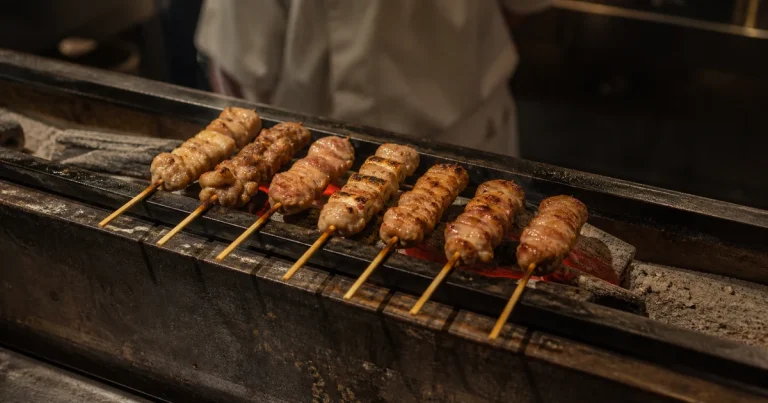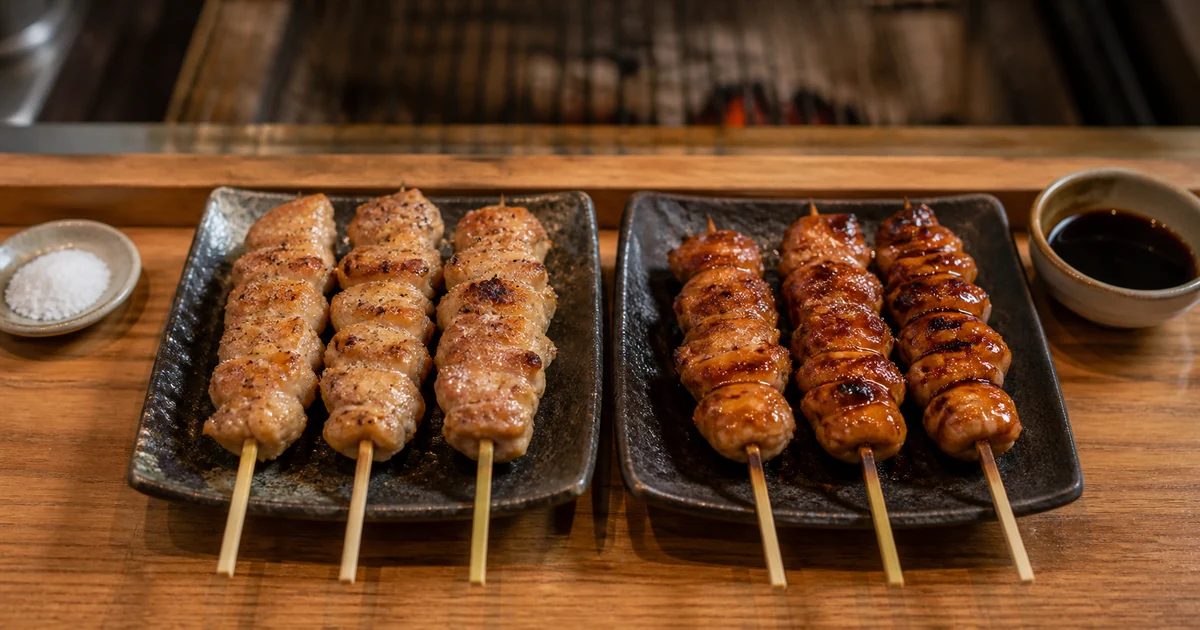
The difference between yakitori tare and shio is simple: tare is a seasoned sauce, while shio is salt. Tare usually gives chicken a glossy, savory-sweet finish. Shio keeps the seasoning lighter and puts the chicken, fat, and grill aroma in the foreground.
Neither is the authentic or superior choice. Some skewers work well with both, while a yakitori restaurant may choose one seasoning for a particular cut. This guide explains what goes into each style, how the flavors differ, and what to say when ordering.
The Same Skewer Changes with Its Seasoning
| Feature | Shio | Tare |
|---|---|---|
| Basic meaning | Salt | Seasoned dipping or basting sauce |
| Flavor | Direct, savory, and relatively light | Savory-sweet, rounded, and richer |
| Appearance | Dry-looking or lightly glossy | Brown, lacquered, and caramelized |
| Highlights | Chicken, rendered fat, and grill aroma | Sauce, browning, and the chicken together |
| Potential allergens | Recipe and cross-contact still need checking | Often soy; may contain wheat and other ingredients |
If you are new to the dish itself, begin with our guide to what yakitori is. It covers the basic cuts, grilling, and dining style without going deeply into this seasoning choice.
What Is Shio Yakitori?
Shio means salt. For shio yakitori, the cook seasons the chicken with salt before or during grilling. The amount, grain size, timing, and distance from which it is applied can all affect how evenly the skewer tastes.
Shio does not mean flavorless. Salt sharpens the chicken’s savory character, while heat browns the surface and renders fat. Smoke from dripping fat or sauce-free juices can add aroma depending on the grill. Pepper, citrus, sansho, yuzu kosho, wasabi, or ume may also accompany certain skewers, but they are additions rather than part of the word shio.
Choose shio when you want to compare the natural flavor and texture of different chicken parts. It can be especially effective with cuts valued for a clean taste, crisp surface, or distinctive bite.
What Is Yakitori Tare?
Tare is a broad Japanese term for a seasoned sauce used for dipping, basting, or glazing. Yakitori tare commonly contains Japanese soy sauce, mirin or sake, and sugar, but there is no single mandatory formula. A restaurant may add aromatics, chicken flavor, or other sweeteners and adjust the balance over time.
The cook may dip or brush a skewer with tare during grilling, allowing thin layers to set and brown. This creates a glossy surface and a deeper combination of saltiness, sweetness, umami, and roasted aroma. Careful application matters because a sugary sauce can darken quickly over high heat.
Tare is not simply bottled barbecue sauce, and it is not necessarily the same as teriyaki sauce. Both may use soy sauce, mirin, sake, and sugar, but tare describes the sauce itself, while teriyaki refers more broadly to a cooking style that produces a glossy grilled or broiled finish.
How Do Tare and Shio Change the Same Skewer?
With shio, the first impression is usually salt, browned chicken, and rendered fat. Differences between thigh, breast, skin, cartilage, and organs remain clear. The result can feel lighter, although its calories and richness still depend mainly on the cut.
Tare adds moisture and a coating that remains on the surface. Sweetness can soften the mineral character of liver, complement fatty skin, or give minced chicken a fuller finish. Repeated glazing can also produce darker edges and a stronger roasted-sauce aroma.
“Light” and “rich” describe the eating experience, not a dependable nutritional ranking. Tare usually contains sugar and shio emphasizes salt, but the amount applied and the size and fat content of the skewer vary too much for a universal comparison.
Which Yakitori Cuts Suit Shio?
There are no binding rules, and specialist restaurants often decide for the guest. Still, shio is a useful starting point for skewers where texture and the chicken itself are the attraction:
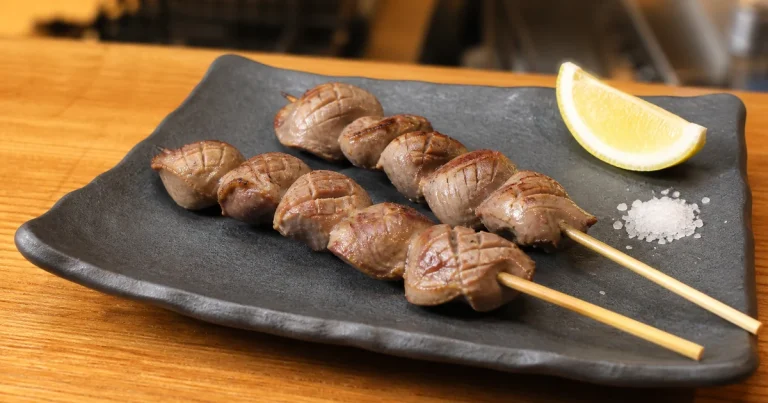
- Sunagimo: gizzard with a firm, clean, crisp-chewy bite
- Nankotsu: mild cartilage chosen mainly for its crunch
- Sasami or mune: lean, delicate chicken that may also carry a condiment
- Tebasaki: wing, where salt complements browned skin
- Momo: juicy thigh that works well with either seasoning
Our full guide to yakitori cuts explains these menu names and textures in more detail.
Which Yakitori Cuts Suit Tare?
Tare often suits skewers that can support sweetness and a coating:
- Tsukune: minced chicken whose recipe and texture vary by restaurant
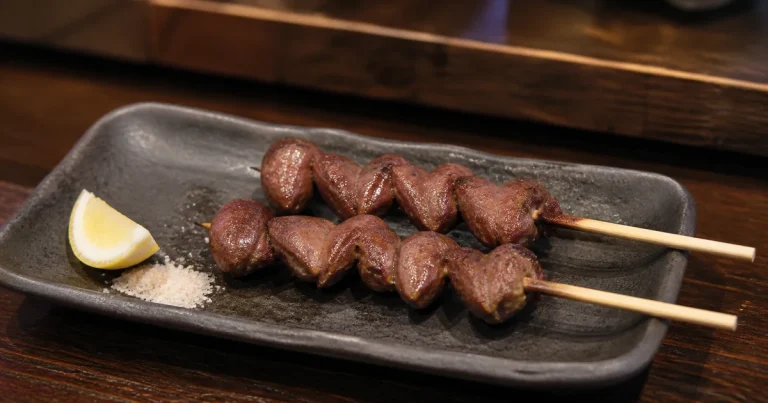
- Reba: liver with a pronounced, mineral-rich character
- Kawa: chicken skin, where tare can caramelize around folds
- Negima: chicken and long onion, both compatible with savory sweetness
- Momo: thigh has enough flavor and fat for either tare or shio
These are tendencies, not standards. One restaurant’s ideal pairing may differ from another’s, and a skilled shio version can be richer than a lightly glazed tare version.
How to Choose Between Tare and Shio
| If you want… | Try |
|---|---|
| To taste the difference between chicken parts | Shio |
| A savory-sweet, glazed finish | Tare |
| A crisp skin-forward experience | Shio first, unless the house recommends tare |
| A rounded introduction to liver | Tare |
| To understand the restaurant’s style | Ask for the chef’s recommendation |
If ordering several skewers, you do not need to choose one seasoning for the entire meal. Mixing shio and tare creates contrast. A restaurant serving an omakase sequence may alternate seasonings deliberately, so taste each skewer before adding condiments.
How to Order Tare or Shio in Japan
A server may ask, “Shio or tare?” You can answer:
- Shio de onegaishimasu: Salt, please.
- Tare de onegaishimasu: Tare, please.
- Osusume de onegaishimasu: The recommended preparation, please.
If no choice is offered, the restaurant may have a standard seasoning or use something else, such as wasabi or ume. It is usually better to accept that preparation than insist that every skewer be changed. For menu structure, quantities, and etiquette, see how to order yakitori in Japan.
Allergies and Dietary Restrictions
Tare recipes vary and may contain soy sauce, wheat, alcohol-based seasonings, or other ingredients. Shio is simpler, but the skewer may still receive a condiment, and shared brushes, trays, or grill areas create cross-contact concerns.
Japan’s Consumer Affairs Agency advises diners to check directly with restaurant staff because rules for packaged-food allergen labels do not provide the same assurance for restaurant meals. Anyone with a serious allergy should not treat “shio” as a guarantee or rely on appearance alone.
Choosing a Seasoning at the Counter
Is Yakitori Tare Spicy?
Usually not. Standard tare is savory and sweet rather than hot. Chili, sansho, yuzu kosho, or mustard may be served separately or incorporated by a particular restaurant.
Is Shio Yakitori Always Lower in Calories?
Not necessarily. Shio omits a sugary glaze, but the chicken part, portion size, skin, and rendered fat can matter more. Restaurant recipes rarely provide enough information for a precise comparison.
Can Every Skewer Be Ordered Both Ways?
No. Some restaurants offer a choice only when both seasonings suit the skewer. Others serve each item according to the chef’s decision.
Let the Cut Decide Between Salt and Sauce
Choose shio when you want a direct taste of chicken, browned fat, and grill aroma. Choose tare when you want a glossy, savory-sweet layer with deeper caramelized flavor. Thigh works well as a side-by-side comparison, while lean or crunchy cuts often show clearly with salt and liver or tsukune commonly benefits from tare.
There is no need to find one permanent favorite. A varied yakitori meal uses both seasonings, and the most informative choice is often the preparation recommended for that particular skewer.