A Japanese teapot can change more than the appearance of tea service. The right pot makes the leaves easier to control, the last drop easier to pour, and the quiet ritual of brewing something you look forward to every day.
The mistake is choosing only with your eyes. A beautiful cast-iron pot may be too heavy for one daily cup, while a tiny handleless vessel can feel magical with gyokuro but frustrating when friends visit. Choose the tea and serving size first; let the shape follow.
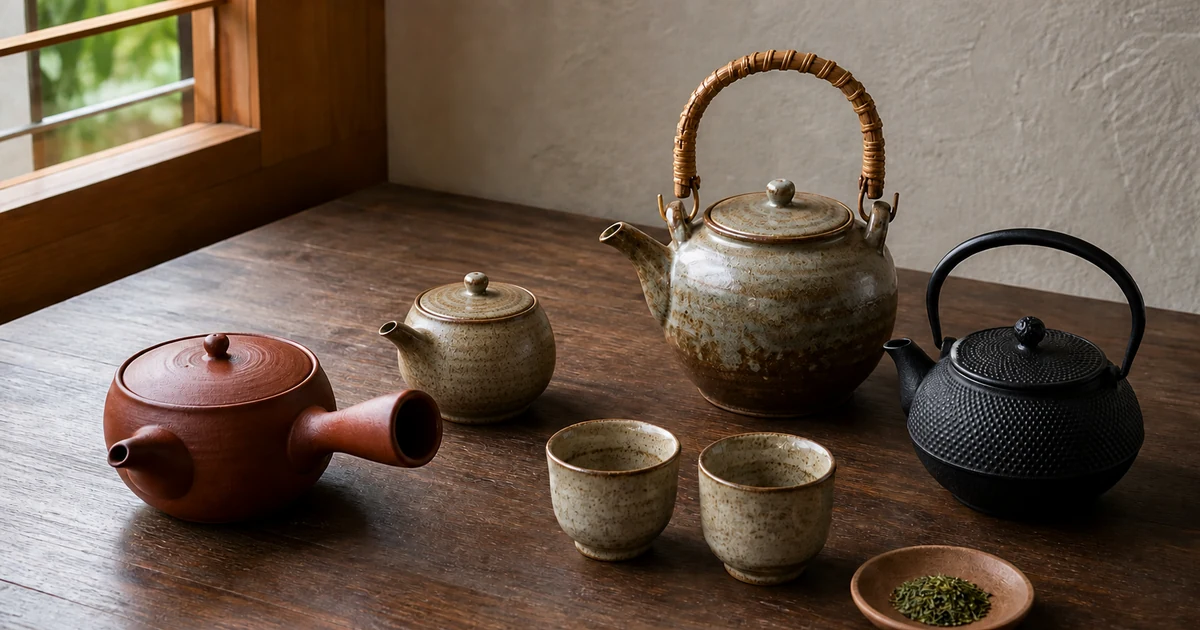
For most first-time buyers who drink sencha or everyday Japanese green tea, a side-handled yokode kyusu in the 250–350 ml range is the most satisfying place to begin. It feels unmistakably Japanese, remains practical for daily use, and gives the leaves enough room to open.
The Teapot You Will Reach for Most Often
Imagine your usual tea break rather than a special occasion. Do you brew one small cup after lunch, two cups at breakfast, or a full pot of hojicha for the table? That ordinary moment is the best buying guide.
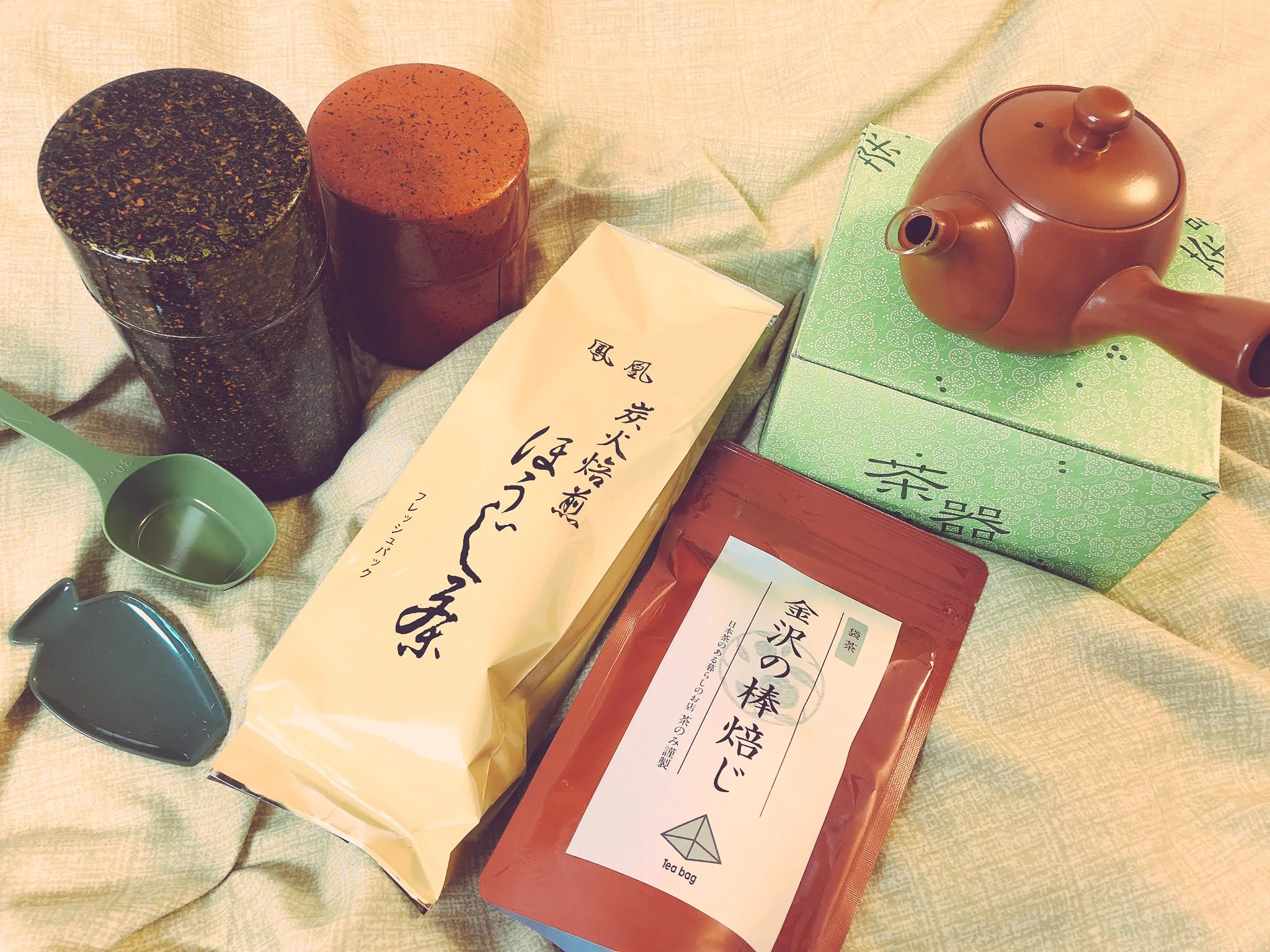
If Japanese tea names are still unfamiliar, our guide to Japanese tea types will help you identify what you are likely to drink. Once you know the leaves, the choice becomes much easier.
| How you drink tea | Best starting shape | Why it feels right |
|---|---|---|
| Sencha for one or two people | Yokode kyusu | Controlled one-handed pour and a classic Japanese tea experience |
| Green tea, black tea, or herbal tea | Ushirode kyusu | Familiar rear handle that works naturally for either hand |
| Hojicha or bancha for several cups | Dobin | Larger capacity and an arched handle suited to table service |
| Gyokuro or premium sencha | Hohin or shiboridashi | Small, deliberate infusions at lower temperatures |
| Tea kept warm for leisurely serving | Cast-iron teapot | Strong heat retention and a substantial presence on the table |
Japan’s Ministry of Agriculture, Forestry and Fisheries gives brewing examples ranging from a 90 ml vessel for gyokuro to an 800 ml dobin for bancha or hojicha. These are useful reference points, not rigid rules. Measure the cups you actually use and buy for that volume rather than for an imagined guest count.
Five Shapes, Five Different Pleasures
Yokode Kyusu: the Classic Daily Choice
The handle projects from the side, allowing the wrist to tilt and rotate the pot in one smooth movement. When tea is divided among several cups, that control helps you alternate between them so the strength is more even. There is a small learning curve, but the movement soon becomes one of the pleasures of owning it.
Ushirode Kyusu: Familiar From the First Pour
With its handle opposite the spout, an ushirode pot feels close to a Western teapot. It is an easy recommendation for left-handed users, households that brew more than Japanese green tea, or anyone who wants Japanese craft without changing their usual pouring motion.
Dobin: Tea for the Table
A dobin has a handle arching over the body and usually offers more capacity. It suits roasted hojicha, bancha, and relaxed serving in larger cups. Check how the handle is attached, whether it folds for storage, and whether your hand can steady the lid safely while pouring.
Hohin and Shiboridashi: Slow Down for Better Leaves
These compact, handleless vessels reward careful brewing. A hohin is often deeper, while a shiboridashi tends to be broad and shallow. Both make it easy to watch premium leaves open and to pour a concentrated infusion slowly. Because they are held by the body or rim, they make the most sense with the lower water temperatures commonly used for gyokuro and high-grade sencha.
Nambu Cast Iron: Beauty With a Clear Purpose
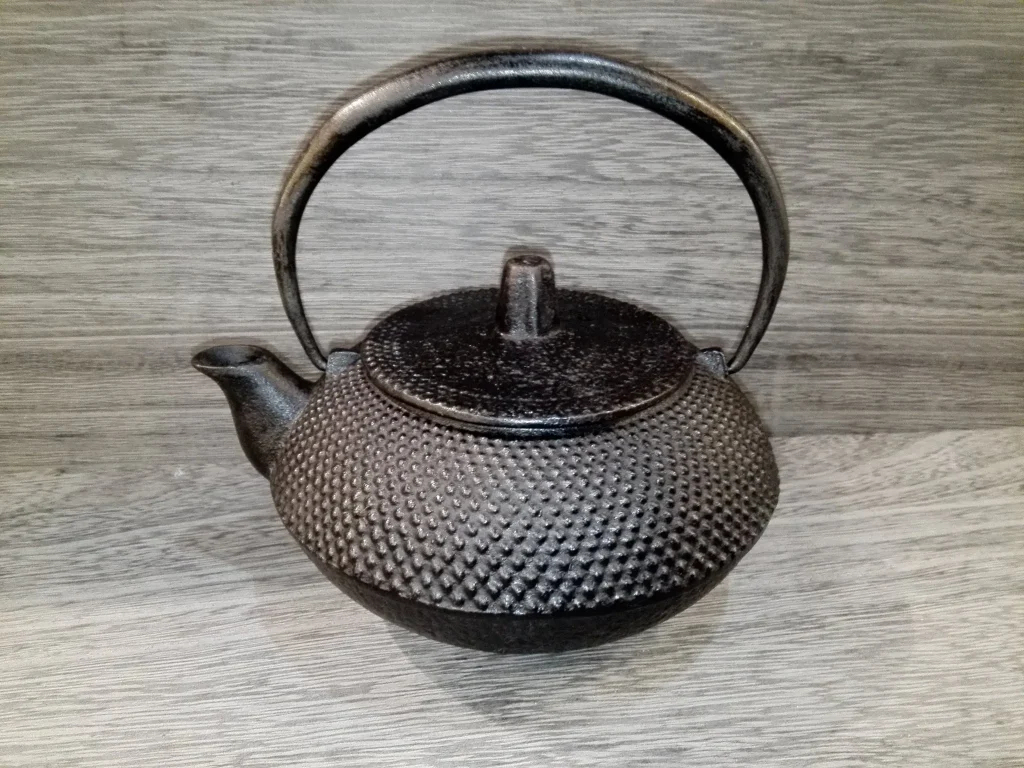
A cast-iron teapot has weight, texture, and presence that lighter pottery cannot imitate. It can keep tea warm while several cups are served and often becomes a piece people are proud to leave on the table. The tradeoff is equally real: it is heavy when filled, and the handle or lid may become hot.
The Most Important Cast-Iron Question
Is it a tetsubin kettle or an enamel-lined cast-iron teapot? They may look similar, but they are not interchangeable.
- Tetsubin: made for heating water when the manufacturer approves the intended stove or heat source.
- Enamel-lined iron teapot: made for steeping tea with separately heated water. It should not be placed over direct flame unless the exact manufacturer explicitly says otherwise.
This distinction is especially important when buying a souvenir. Do not rely on appearance or the words “Nambu ironware” alone. Read the label and ask the shop whether the piece is for boiling water or only for brewing tea.
What I Check Before Recommending a Pot
A teapot earns its place through small details you notice at every brew. Pick it up empty. Imagine it filled. Then look inside.
- Capacity: add the usable volume of your cups and leave room for the leaves. Oversized pots make small infusions awkward.
- Filter: fine deep-steamed sencha usually benefits from a finer screen. Whole-leaf tea has more freedom with a wider ceramic filter.
- Leaf space: a removable basket is convenient, but a cramped basket can prevent the leaves from opening fully.
- Balance: the filled pot should not pull uncomfortably at the wrist. A well-positioned handle matters more than decorative complexity.
- Lid and spout: the lid should sit securely, the stream should be clean, and dripping should stop when the pot returns upright.
If a shop permits it, ask to handle the pot and test the pouring motion with water. That brief test often reveals more than a long product description.
Tokoname and Banko: Craftsmanship You Can Feel
Tokoname ware is famous for red-clay kyusu, but the appeal is not color alone. Makers pay close attention to even wall thickness, lid fit, and the alignment of handle and spout. Banko makers likewise treat the teapot as an everyday tool, working toward thin, light bodies and spouts that pour cleanly.
Unglazed clay is sometimes said to soften the impression of astringency, but tea, water, firing, and personal taste all affect the cup. Buy Tokoname or Banko ware for the whole experience—balance, touch, craftsmanship, and pour—not because of a single sweeping flavor promise.
Bring Home a Teapot You Will Actually Use
For travelers, the most memorable purchase is not necessarily the largest or most ornate. A compact daily kyusu can recreate a small part of Japan every morning without becoming difficult to store or clean.
- Ask the shop to separate and wrap the lid, body, and removable filter so they cannot strike one another in your luggage.
- Keep the maker’s care card, especially for ironware and pots with bamboo, wood, or metal parts.
- Hand washing with warm water is the safest default unless the maker specifically approves a dishwasher. Remove spent leaves promptly and dry the pot with the lid off.
- Never assume a ceramic or iron teapot is microwave-safe or suitable for a stovetop. Follow the instructions for that exact model.
Water matters too. Japanese brewing advice often assumes relatively soft water. If tea tastes unexpectedly flat or harsh after you return home, the pot may not be the problem. Our guide to tap water in Japan explains how mineral content can change delicate flavors.
Three Buying Paths That Make Sense
For the most recognizably Japanese everyday experience: choose a 250–350 ml yokode kyusu with a filter suited to sencha. Compare Japanese kyusu teapots on Amazon.
For premium gyokuro and small, attentive infusions: choose a compact hohin or shiboridashi that feels comfortable at lower brewing temperatures. Compare Japanese hohin teapots on Amazon.
For hojicha, bancha, and several generous cups: choose a larger dobin with a secure lid and a handle that remains comfortable when the pot is full. Compare Japanese dobin teapots on Amazon.
Disclosure: As an Amazon Associate, Japan Food Compass earns from qualifying purchases.
The best first teapot is not the one with the longest list of traditions. It is the one whose size, filter, and pouring action make you want to brew another cup tomorrow. For the rest of your cooking setup, see our guide to Japanese kitchen tools for beginners.