Japan Food Compass is an independent English-language guide created to help readers understand Japanese food, ingredients, dining customs, and culinary culture with confidence.
The site is operated and primarily written by Hiro, a Japanese food professional with practical experience in fresh seafood, Japanese cuisine, yakitori, and sushi.
About Hiro
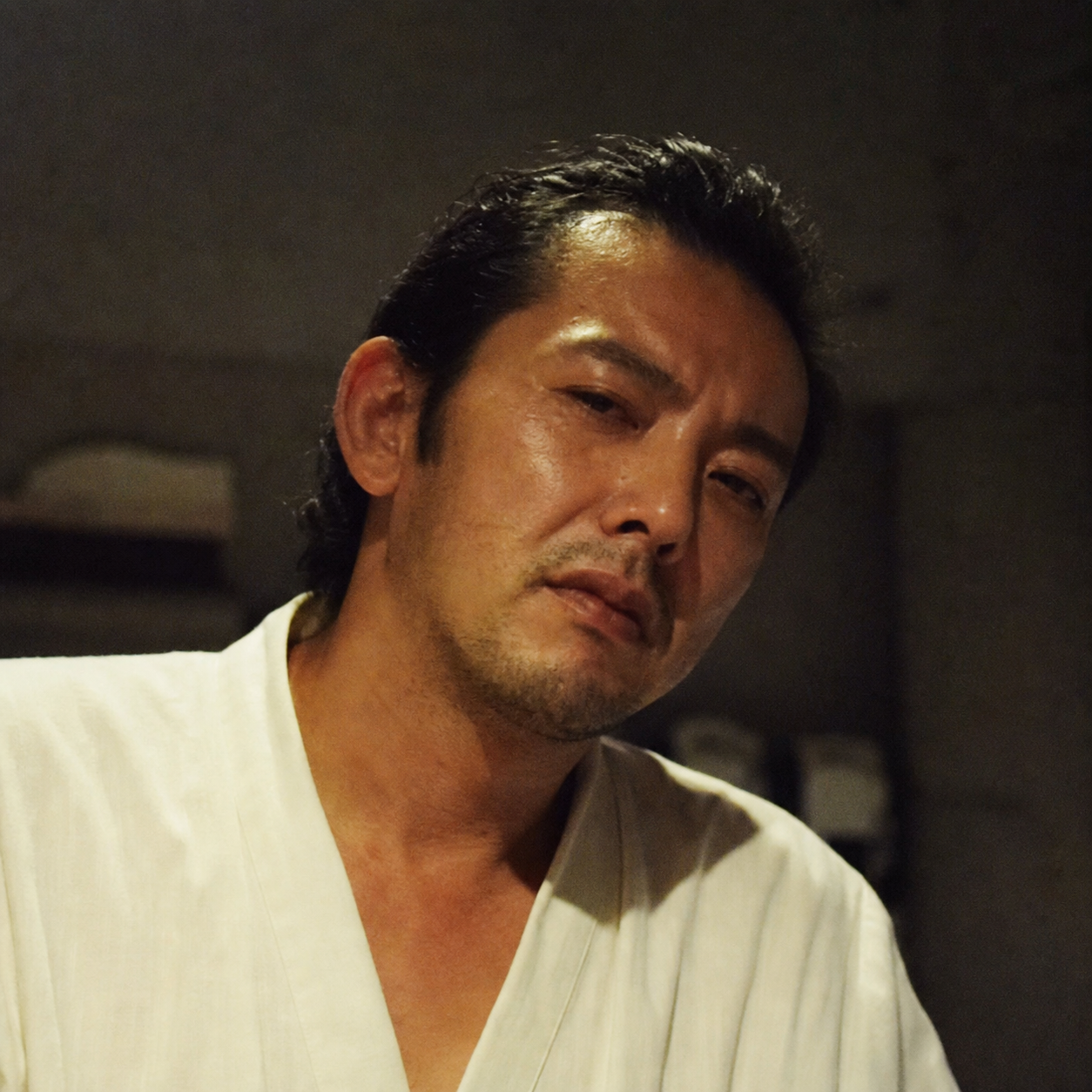
Hiro is originally from Hokkaido and is currently based in Tokyo, Japan.
Hiro began working at a fresh fish shop at the age of 17, learning the fundamentals of seasonal seafood, fish quality, handling, and preparation.
At 22, while also working at an izakaya, Hiro entered the field of traditional Japanese cuisine and gained practical experience with Japanese ingredients, cooking techniques, and dining culture.
At 25, Hiro became fascinated by the depth of yakitori—one of Japan’s most familiar and enduring food traditions. Hiro worked at yakitori restaurants until the age of 39, developing practical knowledge of chicken cuts, texture, skewering, charcoal grilling, heat control, and the use of shio and tare.
Hiro later became a sushi chef, drawn by the seasonality of Japanese seafood and the way sushi expresses the changing flavors of fish throughout the year.
At Japan Food Compass, Hiro draws on this professional background to explain Japanese food clearly and accurately for readers around the world. You can view Hiro’s author profile and published articles here.
What You’ll Find Here
- Sushi, sashimi, seafood, and seasonal fish
- Yakitori cuts, preparation, seasoning, and ordering
- Japanese ingredients, condiments, and cooking techniques
- Restaurant customs, dining etiquette, and useful menu terms
- The cultural and regional context behind Japanese food
- Japanese kitchen tools and their practical use
How Our Articles Are Created
Article topics are selected when they match the purpose of Japan Food Compass and answer practical questions readers may have about Japanese food. Hiro’s professional experience is used to identify important distinctions in ingredients, preparation, texture, ordering, and restaurant practice.
Each article is organized to give readers a clear answer first, followed by the context needed to understand variations in terminology, region, restaurant style, and individual preparation. We avoid presenting one restaurant’s method or one regional custom as a universal rule.
Research and Fact-Checking
Before publication, factual claims are checked against Hiro’s professional experience and relevant reliable sources. Depending on the subject, these may include Japanese government ministries, local governments, official tourism organizations, food-safety authorities, industry organizations, manufacturers, and specialist references.
Sources commonly consulted include organizations such as Japan’s Ministry of Agriculture, Forestry and Fisheries, the Ministry of Health, Labour and Welfare, the Japan National Tourism Organization, and—when an article addresses food safety for international readers—authorities such as the U.S. Food and Drug Administration or the U.S. Department of Agriculture.
Relevant references are listed in the Editorial Sources section of an article. Important safety information, definitions, and numerical claims are linked directly where practical. Sources are selected for the specific claim being checked; inclusion does not imply endorsement of every statement on an external website.
Use of Digital and AI-Assisted Tools
Digital tools, including AI-assisted tools, may be used to organize research, support English drafting, or identify points that need clarification. These tools are not treated as factual authorities. Hiro reviews and approves the final text using professional experience and the cited sources before publication.
Editorial Review
- Accuracy: Are names, ingredients, techniques, and cultural explanations correct?
- Practical value: Does the article help readers choose, order, prepare, or understand the food?
- Context: Are regional, restaurant, and household variations explained where relevant?
- Safety: Are allergy and food-safety statements supported and appropriately qualified?
- Clarity: Are Japanese terms explained for readers who may be encountering them for the first time?
Corrections and Updates
Articles may be updated when we identify an error, find a more authoritative source, or need to clarify information. Japanese food traditions vary by region, restaurant, household, and individual cook, so we welcome corrections that include specific context or supporting sources.
To request a correction, please use our Contact page and include the article URL, the section concerned, and a brief explanation.
Editorial Independence
Japan Food Compass may use affiliate links. Affiliate relationships do not determine our editorial conclusions, and they do not change the price paid by the reader. Please see our Affiliate Disclosure for details.
Thank you for using Japan Food Compass as your guide to Japanese food.